Delhi's Winter Pollution Rules: What They Say and How They Are Enforced

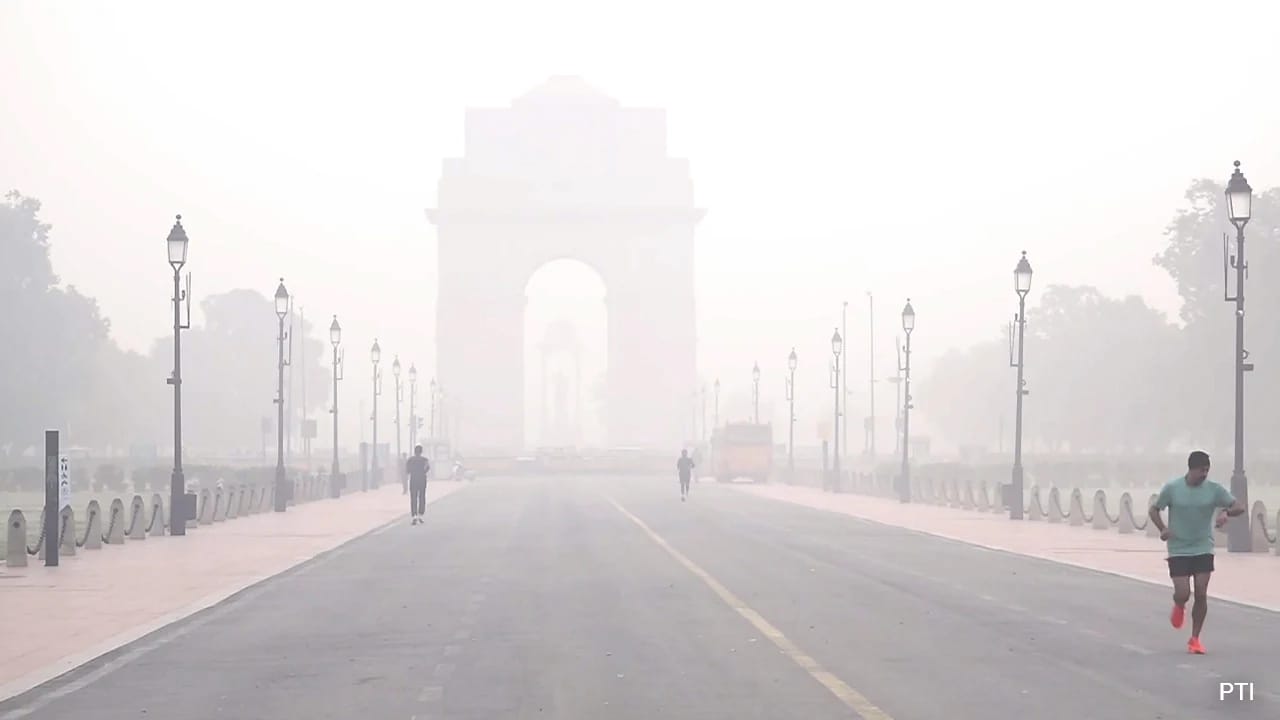
Every winter, as temperatures fall and wind speeds drop, Delhi and the surrounding National Capital Region record sharp spikes in air pollution. In response, authorities roll out a set of restrictions each year covering road dust, vehicles, construction, industry and waste burning. Announcing these measures is straightforward. Implementing them across a city of more than 20 million people, spread over several municipal bodies and two neighbouring states, is considerably harder.
Why winter is different
Air quality in Delhi is poor through much of the year, but the winter months are worse for two reasons. Cooler air settles close to the ground, trapping pollutants in what scientists call a temperature inversion, while lower wind speeds allow emissions to accumulate instead of dispersing. At the same time, the burning of crop residue in Punjab, Haryana and western Uttar Pradesh adds to the load, as do firecrackers around Diwali and the burning of wood and waste for warmth by people without other heating.
Source apportionment studies, including those by IIT Kanpur and TERI, have found that vehicles, road and construction dust, industry and biomass burning together account for the bulk of Delhi's particulate matter, with their shares varying by season.
How restrictions are triggered
Since 2021, the Commission for Air Quality Management (CAQM) has coordinated the response. Its main instrument is the Graded Response Action Plan (GRAP), a set of escalating curbs linked to the city's Air Quality Index and PM2.5 readings. At the lower stages, authorities step up mechanised road sweeping, water sprinkling and dust control at construction sites. As conditions worsen, restrictions tighten on diesel generator sets, on certain construction and demolition work, on the entry of non-essential trucks, and on the movement of older vehicles. In the most severe category, additional steps such as curbs on truck traffic and advisories on staggered working hours may follow.
CAQM also has emergency powers to issue directions to states and agencies when pollution levels are forecast to worsen, and it identifies the city's worst-affected areas as 'hotspots' for targeted action.
Who actually enforces what
Responsibility is spread across many bodies. The Delhi Pollution Control Committee monitors air quality and inspects industrial units; the municipal corporations handle solid waste and open burning; the Public Works Department and the Delhi Jal Board manage road dust and water sprinkling; the Delhi Development Authority oversees construction on its land; traffic police enforce vehicle norms; and the National Highways Authority of India handles stretches of highway within the city. Anti-smog guns and dust screens are mandatory at larger construction sites, and sites above a prescribed size must register on a dedicated portal.
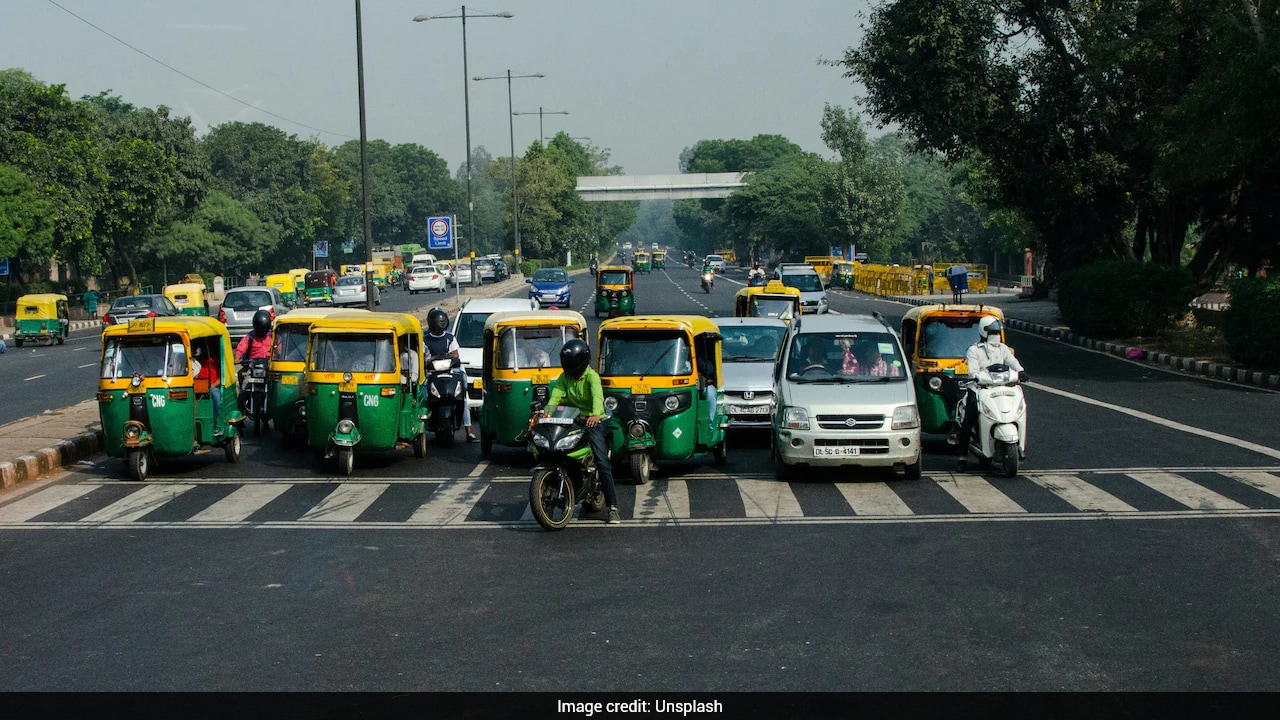
Vehicle-related measures rely on pollution-under-control certificates, the BS-VI fuel and engine standards in force since 2020, and court orders that bar the plying of diesel vehicles older than ten years and petrol vehicles older than fifteen. The Delhi government has periodically run an odd-even rationing scheme for cars, which is a state measure rather than part of GRAP.
The gap between rule and practice
Enforcement teams, including flying squads and hotspot-specific units, issue fines and stop-work notices, and residents can file complaints through the Green Delhi application. Yet officials and researchers point to persistent weaknesses: overlapping jurisdiction between agencies, limited inspection staff, penalties that are small relative to the cost of compliance, and the difficulty of policing thousands of small sources. Because pollution travels, measures in Delhi cannot succeed without matching action in neighbouring states, where crop-residue burning has repeatedly proved resistant to bans and incentives.
Official reviews and independent researchers generally agree that emergency measures help prevent the worst episodes but do not lower the year-round baseline. Long-term gains depend on cleaner public transport and freight, paved and swept roads, reliable power to discourage generator use, waste collection that ends open burning, and coordinated regional action.