Delhi's New EV Policy: Owners Must Apply for Subsidies Within 30 Days, Portal Coming Soon
The Delhi government's new Electric Vehicle (EV) Policy 2.0 requires vehicle owners to personally apply for subsidies through a dedicated online portal within 30 days of generating the Registration Certificate (RC) after purchasing an electric vehicle. The portal, being developed by the Transport department, is expected to be ready within a week.
Under the previous policy, dealers assisted buyers in submitting applications for incentives at the time of purchase. However, the new policy places the responsibility on owners to apply for subsidies themselves. Dealers will be required to inform customers at the time of booking whether the EV model they are purchasing is eligible for government incentives.
The Delhi Cabinet approved the policy on Monday, and it will come into effect from July 1, remaining in force until March 31, 2030. Lieutenant Governor Taranjit Singh Sandhu has approved the policy, and the Transport department will notify it through a gazette notification with effect from Wednesday, according to a senior official.
Once notified, the department will issue directions to vehicle dealers to explain the provisions related to incentives to customers and inform them about eligible EV models. The official said, “The department is developing the EV portal, which is expected to be ready within a week. It will serve as the nodal platform for implementing the policy, processing subsidy applications, and monitoring implementation.”
Buyers will be able to register on the portal and submit incentive claims online. Subsidies will be transferred directly to beneficiaries' Aadhaar-linked bank accounts through the Direct Benefit Transfer (DBT) system, while claims will be processed through the Centre’s Public Financial Management System, the digital platform used for government payments.
Under the previous EV policy introduced by the AAP government, dealers assisted buyers in filing subsidy applications, and the incentive amount was credited via DBT after processing. However, delays occurred after the policy expired in August 2023, leaving thousands of claims pending, officials said.
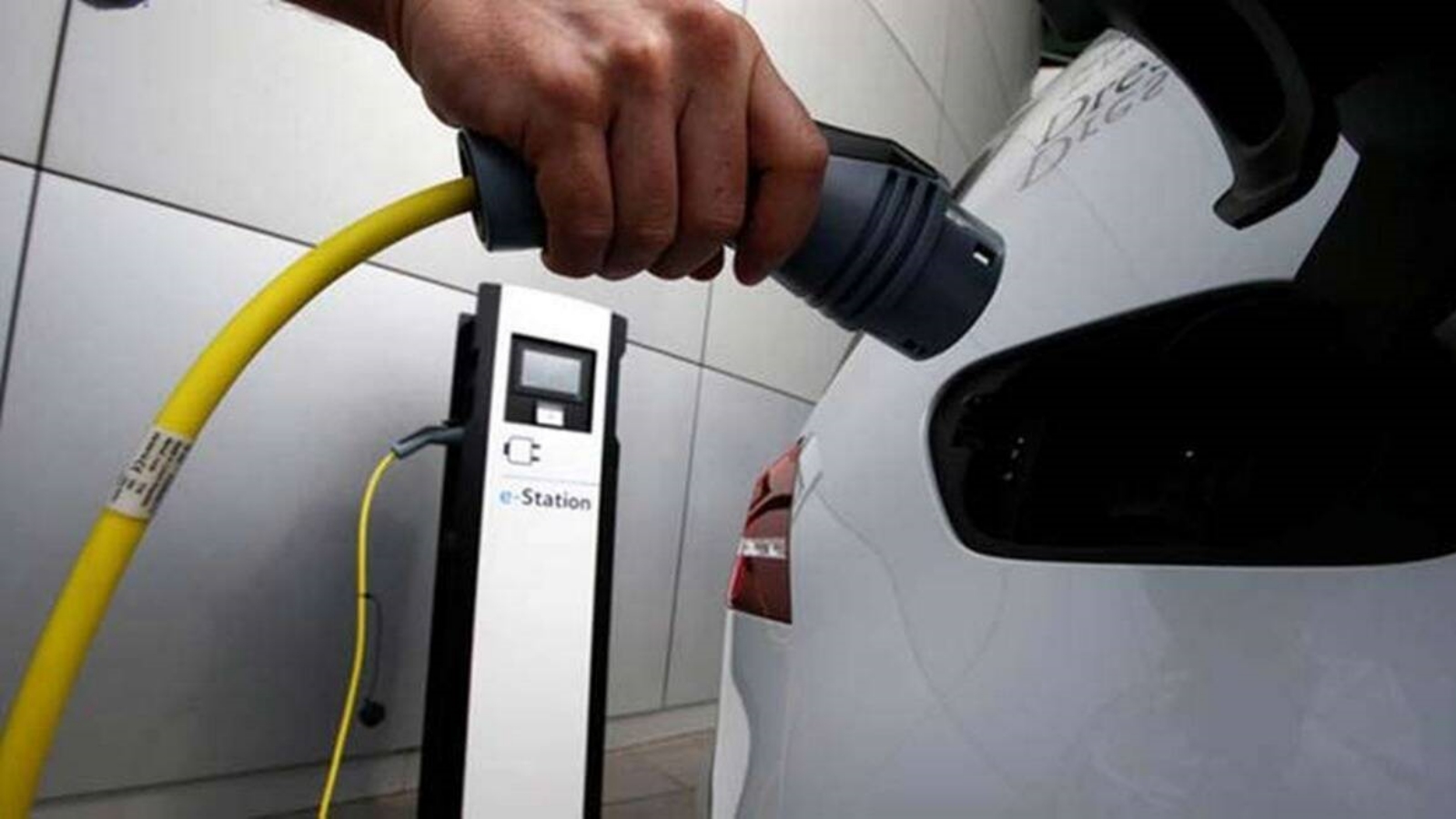
Besides the portal, the government is also developing an EV dashboard that will provide real-time information on charging infrastructure, including charging station locations, number of charging points, charging capacity, waiting time, and battery-swapping facilities. Users will be able to check availability before travelling to a location, reducing waiting time.
Delhi currently has 5,883 EV charging stations, 8,912 charging points, and 893 battery-swapping stations. The government plans to install around 7,000 additional charging stations by the end of this year, with an estimated overall requirement of around 36,150 charging stations.
Chief Minister Rekha Gupta described the new policy as a major step towards making Delhi pollution-free, stating that it was prepared after extensive consultations with stakeholders. “The policy goes beyond offering incentives and lays out a clear roadmap up to March 2030 for structural reforms in the transport sector, expansion of charging infrastructure, a stronger institutional framework, and the phased electrification of different vehicle categories,” she said.