US Report: Tariff Evasion Through Transshipment Costs $19-26 Billion Annually
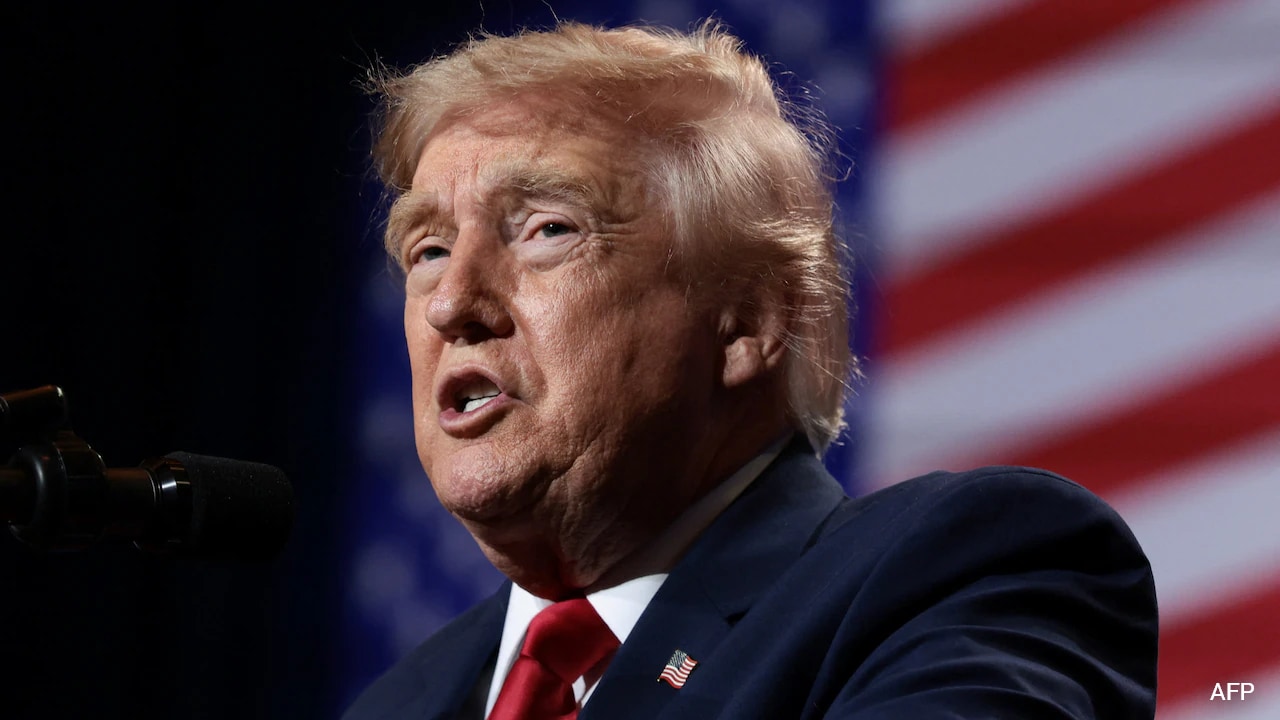
The White House has released a new report estimating that countries routing exports through third nations to avoid U.S. tariffs result in annual tax revenue losses of $19 billion to $26 billion. The practice, known as transshipment, involves shipping goods to an intermediate country for packaging or light assembly before final export, effectively masking the true country of origin.
The report specifically points to China's response to tariffs imposed in 2018. Chinese goods were sent to nations such as Mexico and Malaysia for processing, making it appear that U.S. imports from China had declined. However, this allowed Beijing to continue expanding its manufacturing sector, potentially challenging U.S. factories and employment.
Peter Navarro, the White House trade adviser, told reporters on a conference call that China is “laundering” its exports through more than 40 countries. He added that the report primarily concerns other nations that facilitate tariff avoidance. “For years, the great transshipment scam has let communist China launder its exports,” Navarro said.
The report arrives ahead of a planned September visit to Washington by Chinese leader Xi Jinping. President Donald Trump described Xi in favourable terms during his own visit to Beijing in May. The Chinese government has characterised its relationship with the U.S. as one of “strategic stability,” yet its export-support policies have strained the auto, metals and electronics sectors in America, Europe, Japan and elsewhere.
Navarro also warned that other countries, including India, could adopt transshipment to circumvent new tariffs. He said the Trump administration's future trade agreements will include provisions to penalise partners that engage in the practice.
The administration has imposed high tariffs on a broad range of countries, affecting both allies and rivals, in an effort to protect American manufacturers. At the same time, these tariffs have contributed to inflationary pressures domestically.
The report offers varying estimates of the scale of transshipment, citing government and private-sector data. It suggests goods worth between $34.2 billion and $303 billion are transshipped each year, with a central figure of $75 billion used to calculate the resulting revenue losses.
To address the issue, Navarro said U.S. Customs and Border Protection has begun using artificial intelligence in a prototype programme aimed at detecting transshipment. Importers found to have falsified a product's origin could face retroactive tariffs extending back roughly one year.
The president's tariffs during his second term have faced multiple legal challenges. In February, the Supreme Court overturned some of them. The U.S. continues to import more than it exports, but the trade deficit so far this year stands at $371 billion, about $189 billion lower than the same period last year.