Delhi's ₹9,585 Crore Plan to Replace Old Trucks and Buses: Will It Clean the Air?
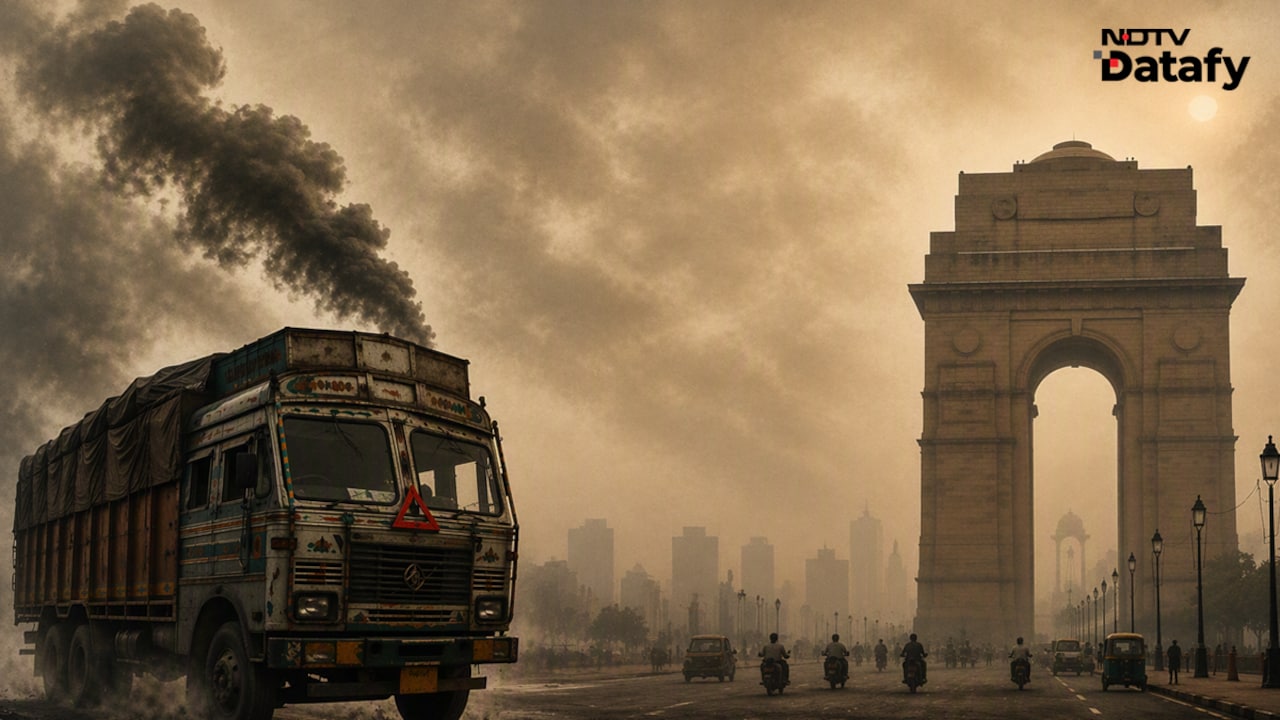
Delhi continues to be one of the most polluted cities in India, despite numerous measures to improve air quality. The latest initiative, the Naya Safar Yojana, approved by the Centre, aims to target a major source of transport pollution: ageing commercial vehicles.
The two-year scheme, with a budget of ₹9,585 crore, is designed to replace about 2.07 lakh old commercial vehicles—including 1.91 lakh trucks and 16,329 buses—across Delhi-NCR with cleaner alternatives. Vehicle owners can avail financial incentives such as a five per cent interest subsidy on loans for five years, monthly fuel vouchers up to ₹4,800, registration fee waivers, and motor vehicle tax concessions. State governments will provide 100 per cent tax concessions on new vehicles and 50 per cent on used ones for ten years, along with waiving pending dues on participating old vehicles.
The scheme mandates that BS-III and older vehicles must be scrapped, while BS-IV vehicles can either be scrapped or sold outside NCR and non-NCAP cities. In Delhi, new buses purchased must be BS-VI CNG or electric, and new light goods vehicles must be electric.
Why focus on commercial vehicles? Although trucks and buses constitute only about three per cent of the vehicle fleet in Delhi-NCR, they account for 36 per cent of PM2.5 emissions from the transport sector. Replacing them is expected to yield a far greater reduction in pollution compared to replacing the same number of private cars.
A recent study by the Air Pollution Action Group (AirPACT), IIT Delhi, and TERI provides more insight. It estimates that 16,900 heavy-duty trucks enter Delhi daily, of which 92 per cent have Delhi as their destination. While 62 per cent of these trucks are BS-VI compliant, 28 per cent are BS-IV, and 10 per cent are BS-III or older. However, the older trucks contribute disproportionately to pollution: BS-III trucks emit 17.9 kg of PM2.5 per day, BS-IV trucks emit 14.47 kg, together accounting for nearly 62 per cent of total PM2.5 from entering trucks, despite being only 38 per cent of the fleet. In contrast, BS-VI trucks, which make up 62 per cent of the fleet, contribute 19.81 kg, or about 38 per cent of the total. On average, an older BS-III/BS-IV truck emits about 2.7 times more PM2.5 than a BS-VI truck.
By targeting these older vehicles, the government hopes to achieve significant air-quality gains from a relatively small segment of the commercial fleet.