Delhi makes anti-pollution curbs mandatory every winter as data shows one in three days under strict GRAP stages
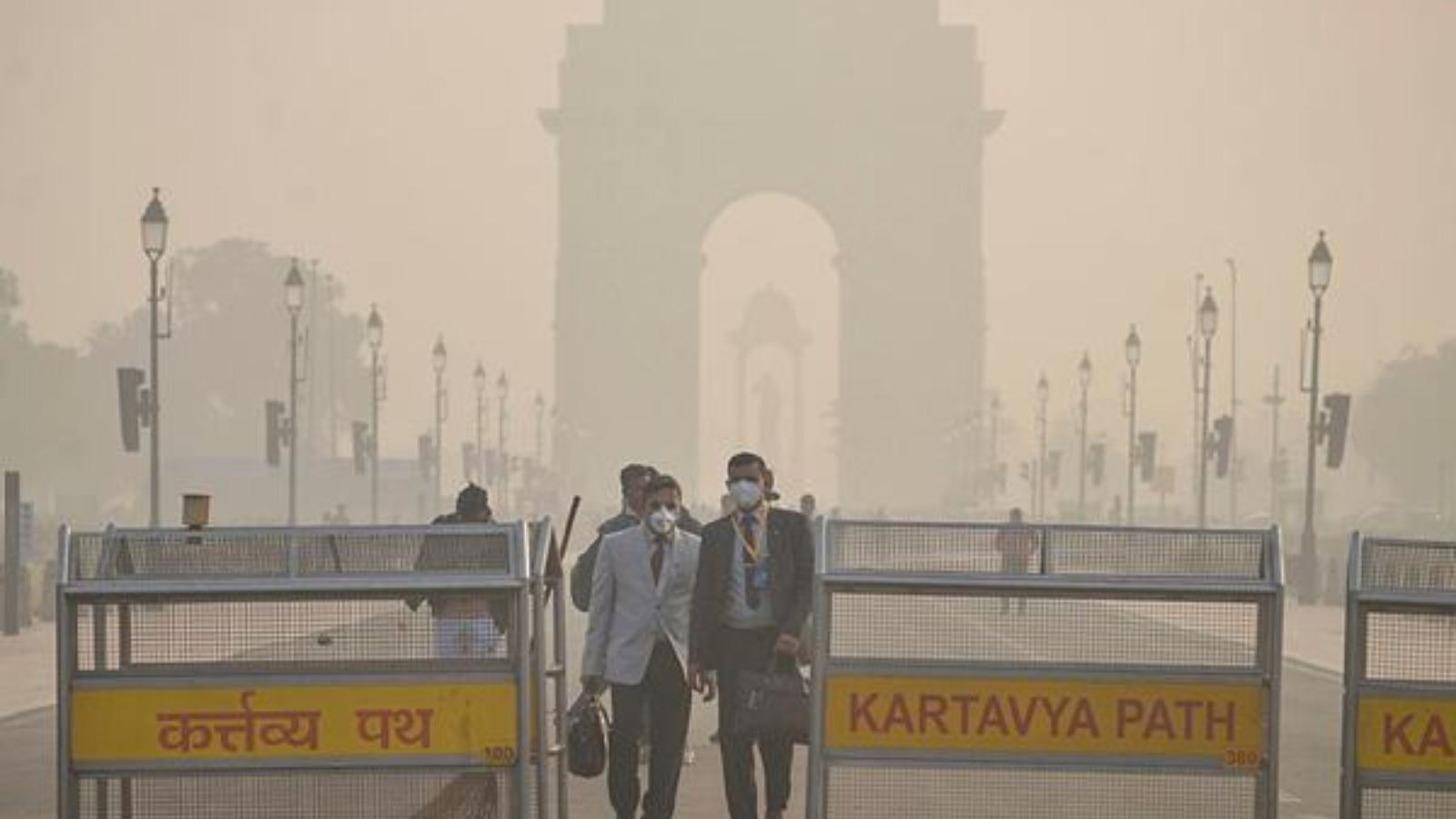
The Delhi government has notified a new winter action plan that will make several anti-pollution measures mandatory between November 1 and February 28, regardless of daily air quality levels. This decision comes after an analysis by The Indian Express revealed that about one-third of each of the last three winters was spent under the two strictest stages of the Graded Response Action Plan (GRAP) — stages 3 and 4.
An analysis of GRAP orders issued by the Commission for Air Quality Management (CAQM), along with pollution data over the last three winters, shows that Delhi-NCR spent the majority of the November–February period under some form of pollution curbs. In each winter, fewer than 12 of the 120 days were free from restrictions beyond GRAP 1. Meanwhile, GRAP 3 and GRAP 4 — the most disruptive levels — remained in force for about 40 days every winter.
Under GRAP 3, most private construction and demolition activities are halted. GRAP 4 adds further restrictions such as a ban on truck entry into Delhi, hybrid schooling, and work-from-home provisions. On Wednesday, the Delhi government announced that measures like work from home, staggered office timings, construction curbs, and vehicle restrictions will now be mandatory between November and February, regardless of the daily Air Quality Index (AQI). The government said the decision was based on air quality trends over the past three winters, when Delhi consistently recorded ‘Very Poor’ to ‘Severe’ air quality. These measures will operate alongside GRAP.
Experts have criticised the frequent implementation and withdrawal of GRAP. In a report released in May, the Council on Energy, Environment and Water (CEEW) said the system relies heavily on AQI levels, resulting in repeated tightening and relaxation of curbs without adequately accounting for pollution sources. It recommended a more predictable, source-based, and hyperlocal approach so that authorities can act before pollution worsens.
Data from each of the three winters paints a clear picture of persistent high pollution. In 2023-24, average PM2.5 levels were 240 µg/m³ in November, 202 µg/m³ in December, and 205 µg/m³ in January, before falling to 102 µg/m³ in February. During that 120-day season, Delhi spent 24 days under GRAP 3 and 13 days under GRAP 4. GRAP IV was invoked only once but remained in force continuously from November 5 to 18.
The winter of 2024-25 recorded the highest number of GRAP IV days among the three seasons. Average PM2.5 levels were 248 µg/m³ in November, improving to 170 µg/m³ in December and 163 µg/m³ in January. Despite the gradual decline, repeated pollution spikes led to GRAP 4 being imposed for 27 days across three spells. The AQI in the first two weeks of November remained in the ‘Very Poor’ category, but GRAP 3 was introduced only on November 14. As pollution worsened to ‘Severe’, GRAP 4 came into force on November 17 and continued into December, making it the longest period of strict restrictions in the three winters.
In 2025-26, pollution remained high well into December instead of declining after November. Average PM2.5 levels were almost unchanged between November (215 µg/m³) and December (213 µg/m³), leading to the continuation of stringent restrictions later into the season. Delhi spent 27 days under GRAP 3 and another 14 days under GRAP 4, with emergency measures extending through much of December.
The new mandatory measures aim to address the chronic nature of Delhi's winter pollution, moving away from reactive, AQI-based triggers. By making certain curbs automatic from November to February, the government hopes to reduce the disruption caused by sudden restrictions and provide more consistent relief from hazardous air.