Delhi High Court Asks if Telegram Ban for NEET Retest Curtails User Rights
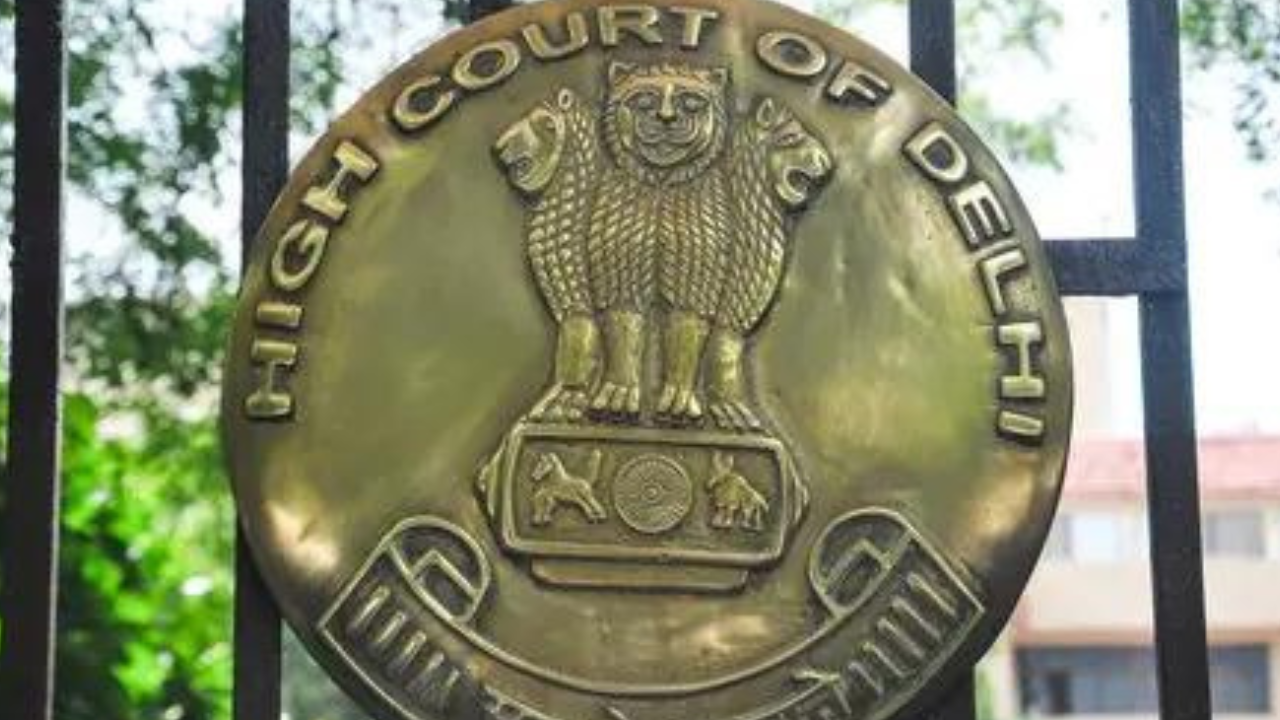
The Delhi High Court on Thursday questioned the Centre's decision to temporarily block Telegram in India ahead of the NEET-UG retest, asking how the rights of 150 million users could be curtailed for a single examination. The court reserved its verdict, to be pronounced on Friday at 10:30 am.
Justice Tejas Karia, hearing Telegram's plea challenging the government's order, noted that the platform has a large user base in India and asked whether blocking it was proportionate. “How can we stop the rights of 150 million people just because one set of citizens are appearing in exams?” the judge asked.
Attorney General R. Venkatramani, representing the Centre, argued that Telegram's unique architecture made it prone to misuse. He described the platform as a “Frankenstein” due to features that allow mass dissemination of information with limited accountability.
Solicitor General Tushar Mehta elaborated, stating that Telegram allows a single user to create up to 40 bots, unlike WhatsApp which restricts to one bot per user. “This platform operates through the cloud. Even if they block something and someone does mischief, law enforcement agencies cannot reach the actual user … since removal of an account deletes all data, leaving no evidence,” Mehta said. He added that Telegram is frequently used for terrorist activities and presents challenges to enforcement agencies across jurisdictions.
The government also informed the court that Telegram's editing feature, which allows backdated modification of messages, would remain disabled until June 30 as a precautionary measure.
Justice Karia, however, pressed the government on the necessity of a blanket ban. “Once the paper is leaked, and becomes viral, how can you deal with it on a real-time basis and once a complaint is received, and by the time action is taken, damage is done,” the court asked Telegram's counsel, seeking responses on whether the platform could respond to complaints more swiftly.
The Centre defended the ban as temporary, time-bound, and event-specific, aimed at preventing cheating during the NEET retest. The court directed both parties to file written submissions by 7 pm on Thursday.