Judicial backlog: 10,000 cases stuck in Supreme Court for 10+ years, 80,000 in high courts for 30
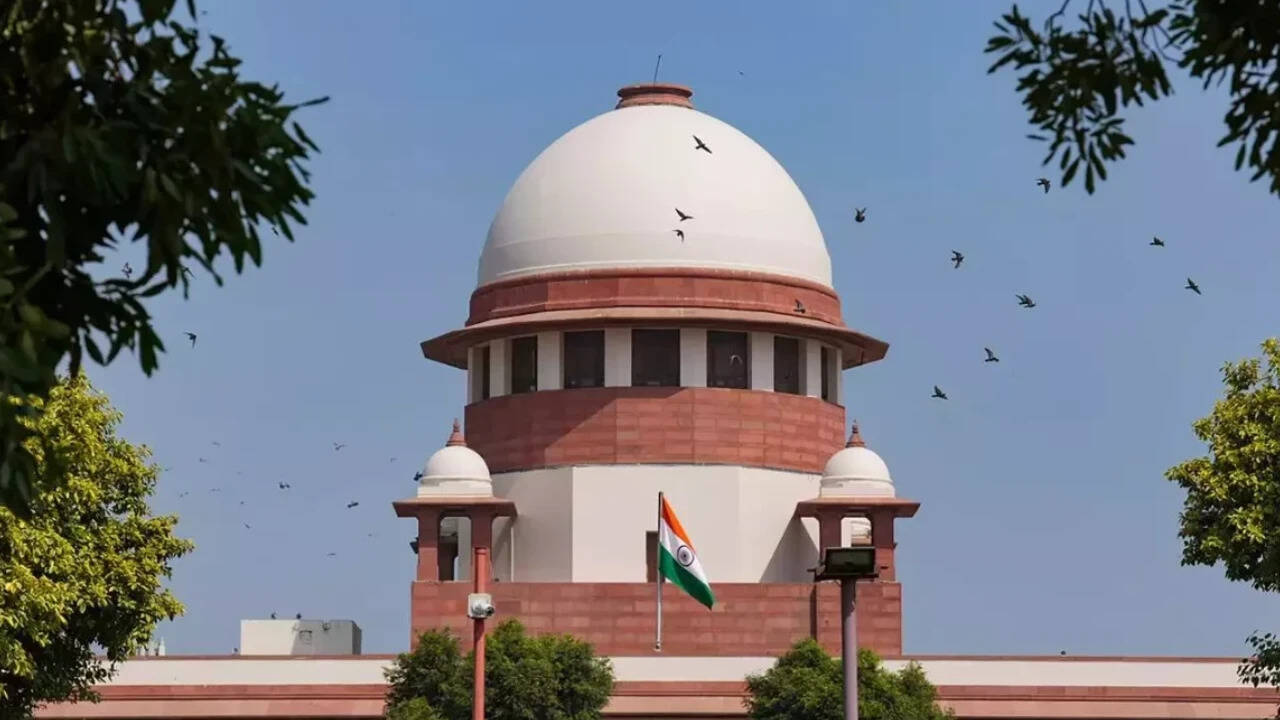
NEW DELHI: India's higher judiciary continues to grapple with an enormous backlog of cases, with new data revealing that over 10,000 cases have been pending in the Supreme Court for more than a decade. Among these, 558 cases have been awaiting resolution for over 20 years, and 26 cases for more than 30 years. In the 25 high courts across the country, the situation is even more stark, with over 80,000 cases pending for more than three decades.
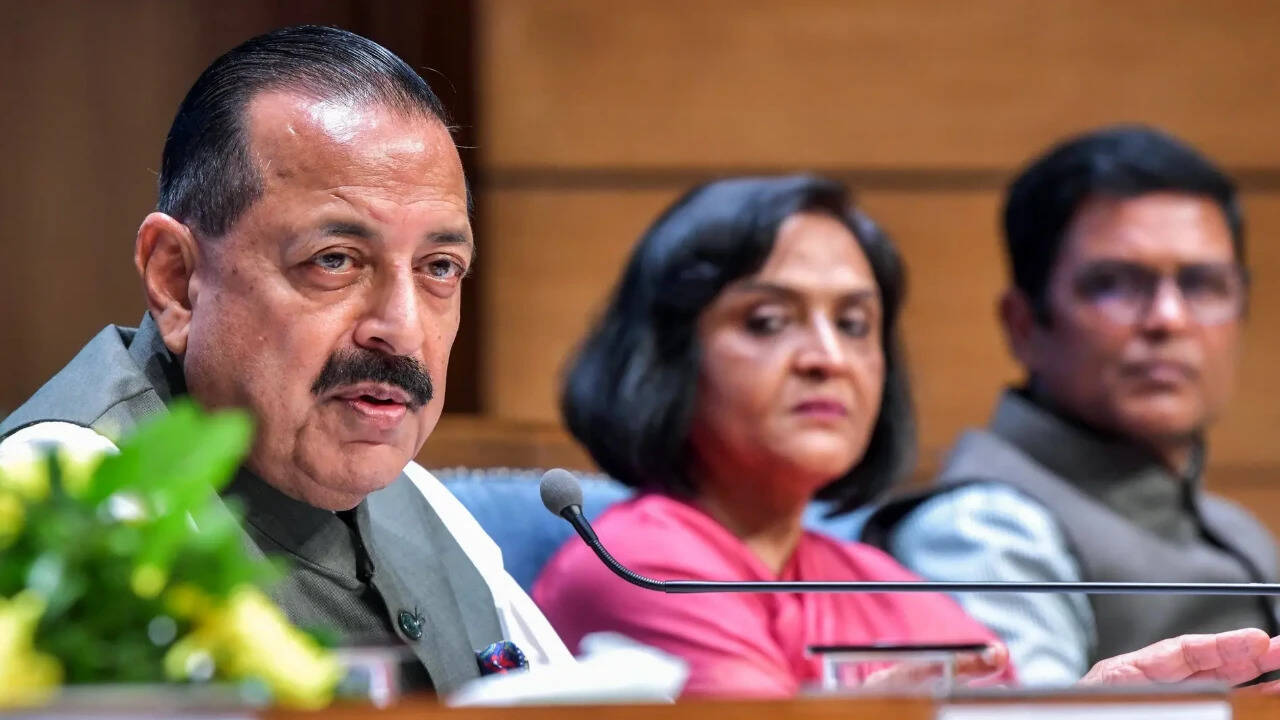
These figures come from a written response by Law Minister Arjun Ram Meghwal to a question in Parliament last week. The data underscores the limited impact of government efforts to improve court infrastructure and integrate technology into the justice delivery system. Since 2011, more than Rs 9,800 crore has been allocated for these purposes, yet the disposal of long-pending cases has not seen significant improvement.
In his response, Meghwal noted that the judiciary has not fixed a time frame for disposing of cases. He outlined several factors that influence timely disposal, including the availability of adequate judges and judicial officers, supporting court staff, physical infrastructure, the complexity of facts, the nature of evidence, and the cooperation of stakeholders such as the bar, investigation agencies, witnesses, and litigants. Proper application of rules and procedures was also cited as a critical element.
The data also highlights a disparity in the appointment of judges. While the Supreme Court has been prompt in filling vacancies, the same cannot be said for the high courts and subordinate courts. The high courts currently have 341 vacancies against a sanctioned strength of 1,122 judges. The subordinate courts face a shortfall of 7,311 judges against an approved strength of 30,868.
The law minister attributed the large number of vacancies in high courts to the respective collegiums not adhering to the prescribed timeline for initiating appointment recommendations. The high court collegium consists of the chief justice and the two senior-most judges of that court. For Supreme Court appointments, the recommendation process is initiated by the Chief Justice of India.
To address the growing pendency, Arrears Committees have been established in all 25 high courts and district courts, tasked with clearing cases that have been pending for more than five years. The government has also enacted several laws aimed at reducing pendency, including the New Criminal Laws 2023, the Negotiable Instruments (Amendment) Act, 2018, the Commercial Courts (Amendment) Act, 2018, and the Specific Relief (Amendment) Act, 2018.
While these measures reflect a systemic effort to tackle the backlog, legal experts argue that more comprehensive reforms are needed, including increasing the judge-to-population ratio and streamlining appointment processes. The sheer volume of decades-old cases highlights the urgent need for a multi-pronged approach involving both the judiciary and the executive to ensure timely justice for citizens.