Delhi Court Orders Police Commissioner Review Over Lapses in Death Probe
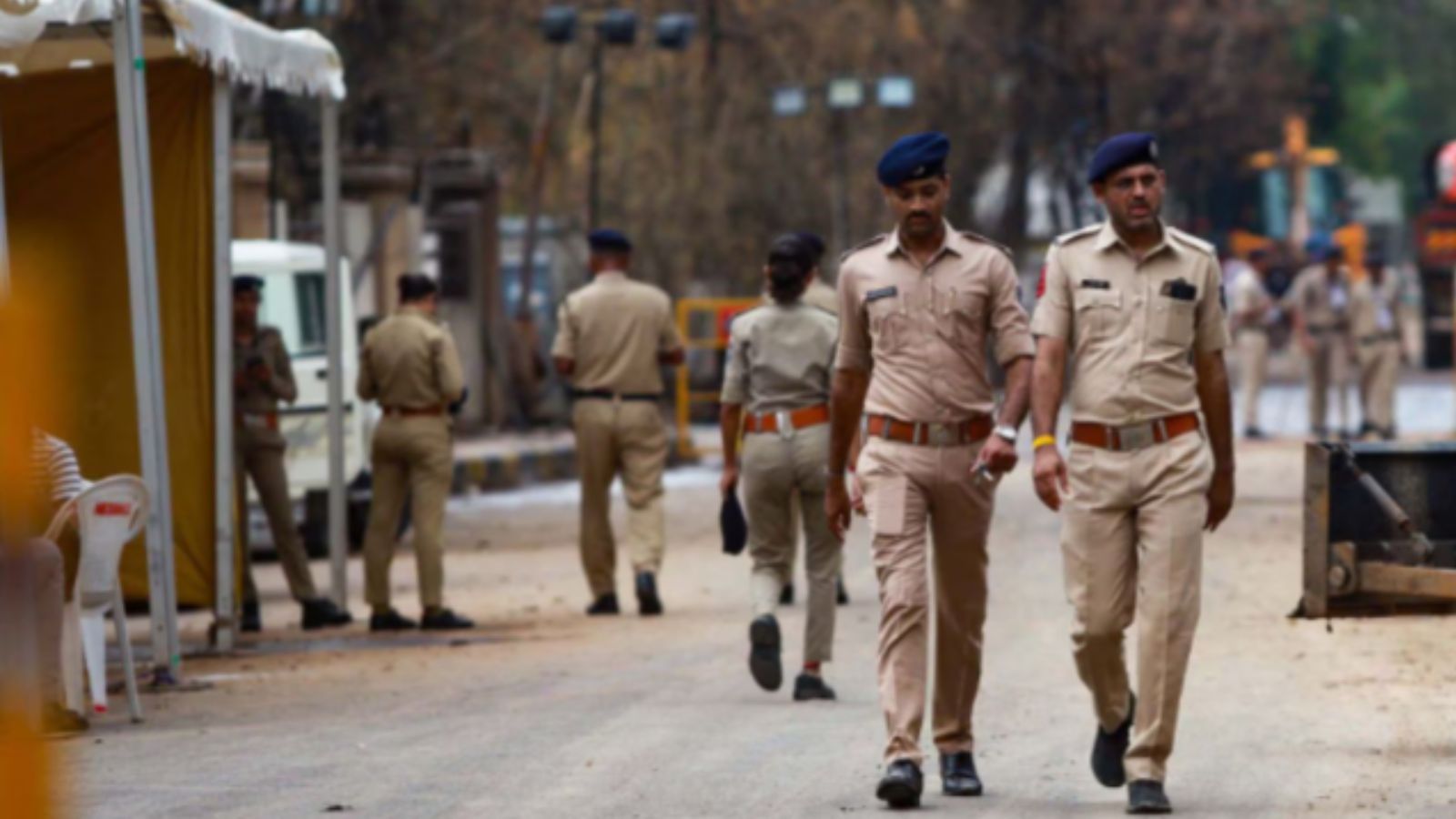
The Rohini Court in Delhi has pulled up the police for alleged lapses in investigating a death earlier this year in Outer Delhi's Shahbad Dairy. The court also directed Police Commissioner Satish Golchha to personally review the matter and initiate disciplinary proceedings against the erring officers.
Judicial Magistrate Bharti Beniwal, in her order dated June 29, said, 'The present case raises a disturbing question as to how an allegation of a brutal and deliberate murder was sought to be converted into an accidental narrative by the investigating agency.'
The court was hearing an application seeking monitoring of the investigation into the death of a man named Chandresh. He was grievously injured on January 26 and succumbed to his injuries 22 days later in a hospital. According to the family, the alleged assault occurred in the early hours of January 26. Chandresh, alias Monu, returned home and woke his family with heavy pounding on the gate. His father found him grievously injured, with blood oozing from his head, hands, and feet.
Before his death, Chandresh allegedly told his family that a man named Nagender had assaulted him and run him over with a vehicle with the intention to kill him. His brothers recorded a video statement reiterating these claims, and his father filed a complaint. The police added Section 106 (causing death by negligence) of the Bharatiya Nyaya Sanhita (BNS) to the case.
The judge noted that despite specific allegations of a violent attack involving assault and being run over by a vehicle, the matter was initially treated as one of rash and negligent driving. The court highlighted that no foundational allegations in the complaint suggested a mere accident. The fact that the crime scene was visited and that blood spatter and blood-stained slippers were present at the scene had neither been denied nor adequately addressed. No seizure memo of critical material such as slippers was reflected in the record.
The judge said, 'The scene of occurrence was not preserved in accordance with forensic standards. No reconstruction was attempted. Call detail records, mobile location analysis, and scientific corroboration of movements of relevant persons were not promptly undertaken. These are not extraordinary requirements, but elementary steps expected in any investigation involving loss of human life.'
The court also criticized the police's selective reliance on the accused's claim that the injuries were an accidental outcome of intoxication. The medicolegal case and post-mortem reports did not indicate, even remotely, the presence of alcohol or any clinical finding suggestive of intoxication. The order read, 'The selective reliance on the accused's version, in disregard of the medical record and other contemporaneous evidence, raises serious doubt.'
Noting that key evidence had been 'irretrievably lost,' the court ordered a compliance report from the Police Commissioner by July 13. The court directed the Commissioner to specifically assess the seriousness and cumulative effect of the lapses noticed in the investigation. The order stated that vital material evidence, which was available at the initial stage, had not been properly collected and preserved and now stands irretrievably lost. The family of the deceased had placed on record a video statement of the victim, but the police failed to take prompt action.







