Columbia University Advises Indian Students to Return to US Before New Visa Rule
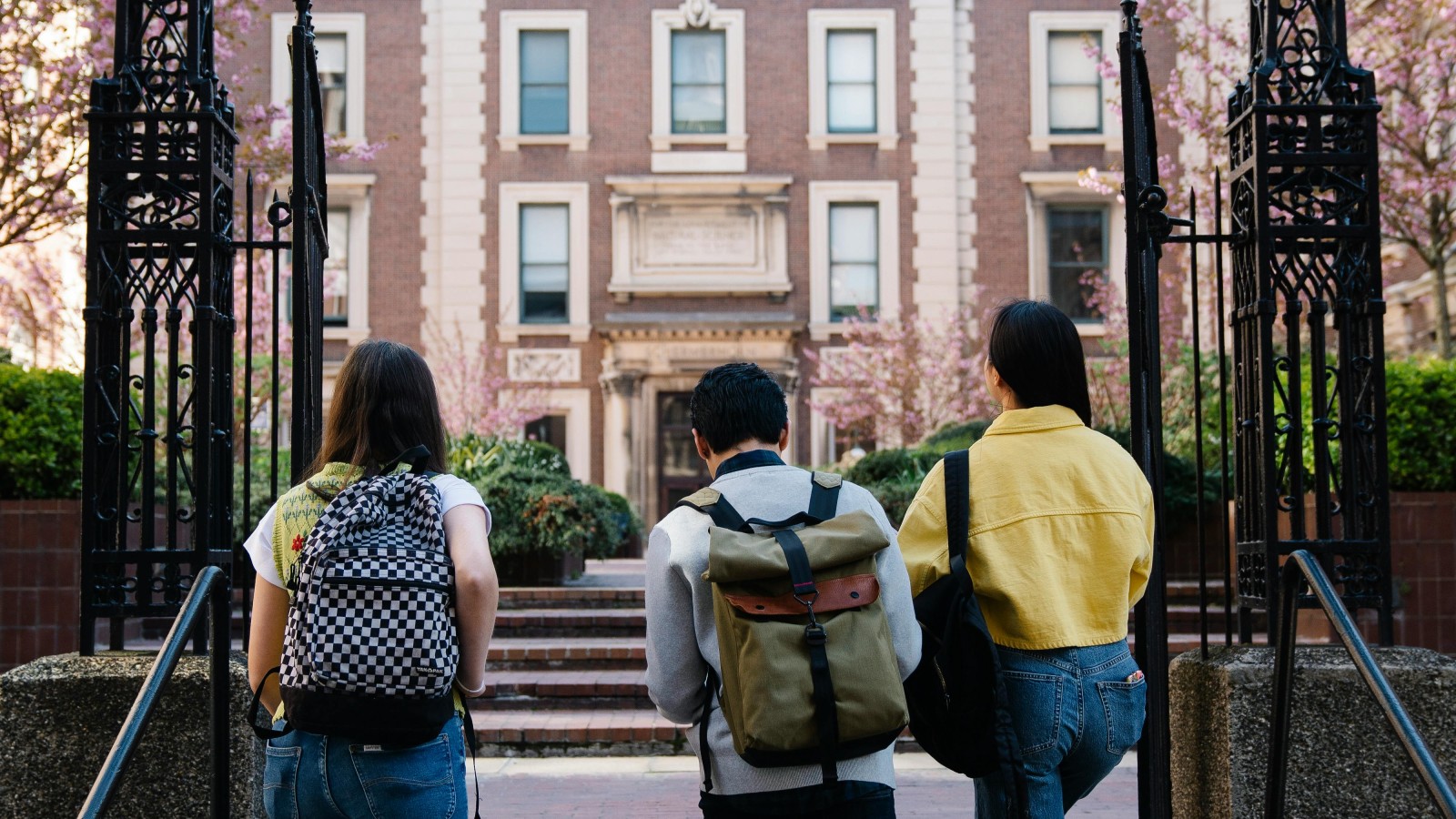
Columbia University has issued an advisory urging international students, particularly those from India, who are currently outside the United States on an academic break to return by the first week of September. The advisory comes ahead of a regulatory change by the Department of Homeland Security (DHS) that will introduce a fixed time period of admission for F and J visa holders, replacing the previous 'duration of status' policy.
The new rule, set to take effect from September 15, will limit the initial period of admission for students on F and J visas to a fixed duration not exceeding four years. This period is tied to the program of study for which the student was admitted. Students who require more time to complete their studies will need to apply for an extension before their authorised stay expires.
According to Columbia University's advisory, students who plan to travel or are currently abroad should ensure they return to the US before September 15 to avoid complications. The university emphasised that the change could affect students' ability to re-enter the country if they are outside the US after the rule takes effect.
The DHS final rule, published in the Federal Register, aims to enhance compliance monitoring and reduce the risk of overstays. It applies to academic students (F-1 visas) and exchange visitors (J-1 visas). Under the previous 'duration of status' policy, students were allowed to stay in the US as long as they maintained their full-time enrollment and made progress toward their degree. The new framework introduces a specific end date on the Form I-20 (for F visa holders) or DS-2019 (for J visa holders).
The change primarily affects students from countries that have higher overstay rates, including India, which has one of the largest populations of international students in the US. According to the Institute of International Education, Indian students comprise about 20% of all international students in the United States, with over 200,000 enrolled in the 2022-23 academic year.
Experts note that the new rule does not change the substantive eligibility requirements for F and J visas but adds administrative steps for students who need to extend their stay. Students will now have to apply for a visa extension through their designated school official (DSO) or responsible officer (RO) well before the expiration of their fixed admission period.
Columbia University's advisory is proactive, as the university anticipates potential delays in visa processing and entry. The advisory also applies to students who are in the US but plan to travel abroad during the summer break. The university recommends that students consult the International Students and Scholars Office (ISSO) for personalised guidance.
The DHS has stated that the fixed period of admission will not affect students who maintain their status and make timely progress. However, students who fail to apply for an extension in time or who do not maintain their status could face deportation or other penalties.
Indian student associations have welcomed the advisory but expressed concern about the added bureaucracy. Many students already face long wait times for visa appointments and consular processing. The new rule may add another layer of complexity for those who need to extend their studies due to research delays or course load adjustments.
In summary, the DHS change shifts from an indefinite stay tied to academic progress to a fixed period with required extensions. Columbia University's early advisory aims to ensure that international students, especially Indians, are aware of the change and take action to avoid disruptions to their education.