Canada-US Trade Talks Fail; Ottawa Vows Dollar-for-Dollar Tariffs
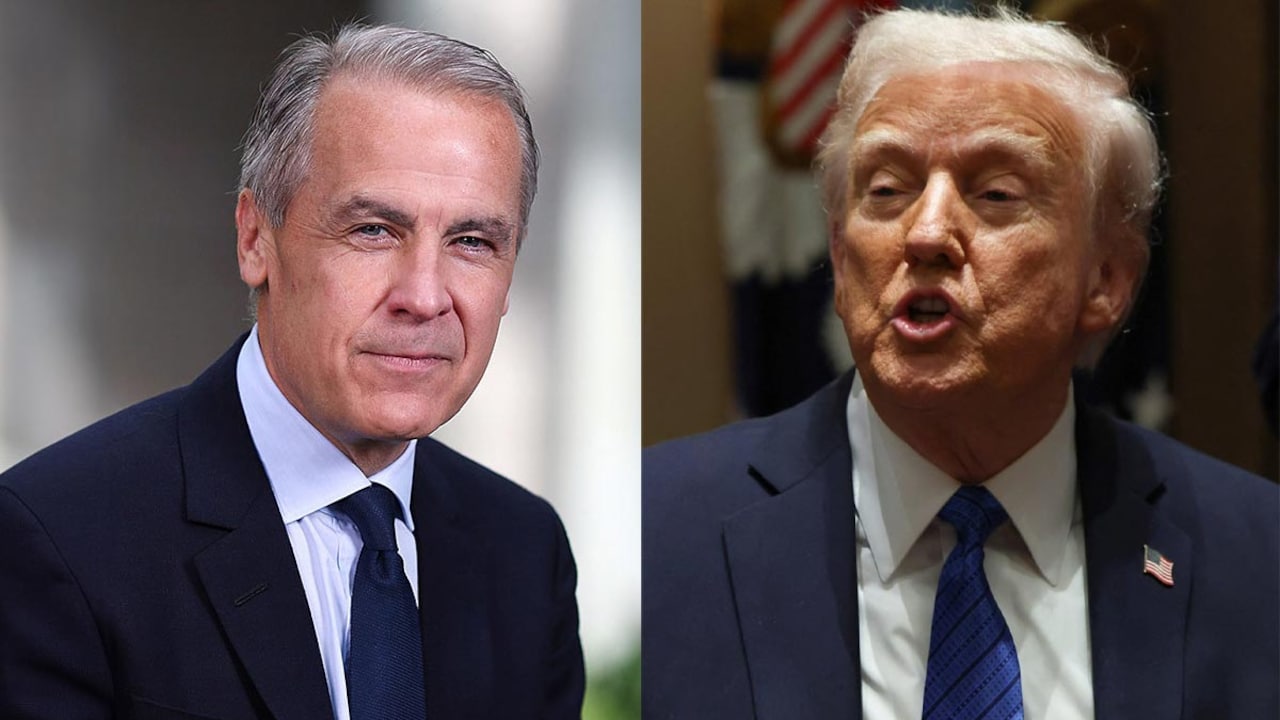
Trade negotiations between Canada and the United States broke down on Friday, clearing the way for new 50 per cent US tariffs on approximately $20 billion worth of Canadian goods. Canadian Prime Minister Mark Carney announced retaliatory measures, saying Ottawa would match Washington's tariffs "dollar for dollar."
The tariffs, which affect products ranging from hockey sticks to cement, represent about 5.5 per cent of Canadian exports to the United States. The breakdown came after what Carney described as a "bad trade deal" proposed by the US side.
Speaking to reporters, Carney said the terms offered by Washington were "uneconomic" and "unfair," and that they undermined the net benefits of trade for Canada. He accused US President Donald Trump of launching a trade war, stating, "You're at war when you get attacked. We got attacked."
Carney emphasised that Canada could not accept the US proposal. "We cannot accept what they've offered, and we will not give what they've asked," he said.
Despite Trump's remarks that his "good relationship" with Carney should help secure a deal, the Canadian prime minister said the conditions were ultimately unacceptable. In a post on X, Carney wrote: "Canada will match the U.S.' new tariffs dollar for dollar in order to protect Canadian workers, farmers, families, and businesses. We take this step confident that it is in the best interests of Canada."
Canadian counter-tariffs will target the US steel and dairy industries and are scheduled to take effect on September 8. Carney indicated that further details would be announced next week.
On Friday, US Trade Representative Jamieson Greer said Washington had offered "significant tariff reductions on steel, aluminium, autos and lumber" in exchange for concessions from Canada. The White House has alleged "discriminatory treatment" by Canada against US alcohol, automobile and dairy products, which it cited as grounds for the duties.
Canada has been seeking relief from US tariffs on autos, steel and aluminium, which have adversely affected its economy and led to job losses. The dispute has strained what was once a closely integrated trade relationship between the neighbouring countries.
Trade experts note that the current tariffs could raise costs for consumers and businesses on both sides of the border. The two nations have yet to schedule new talks, and the economic impact of the escalating measures remains uncertain.