BJP State Chief: Uniform Civil Code Exempts Scheduled Tribes in West Bengal
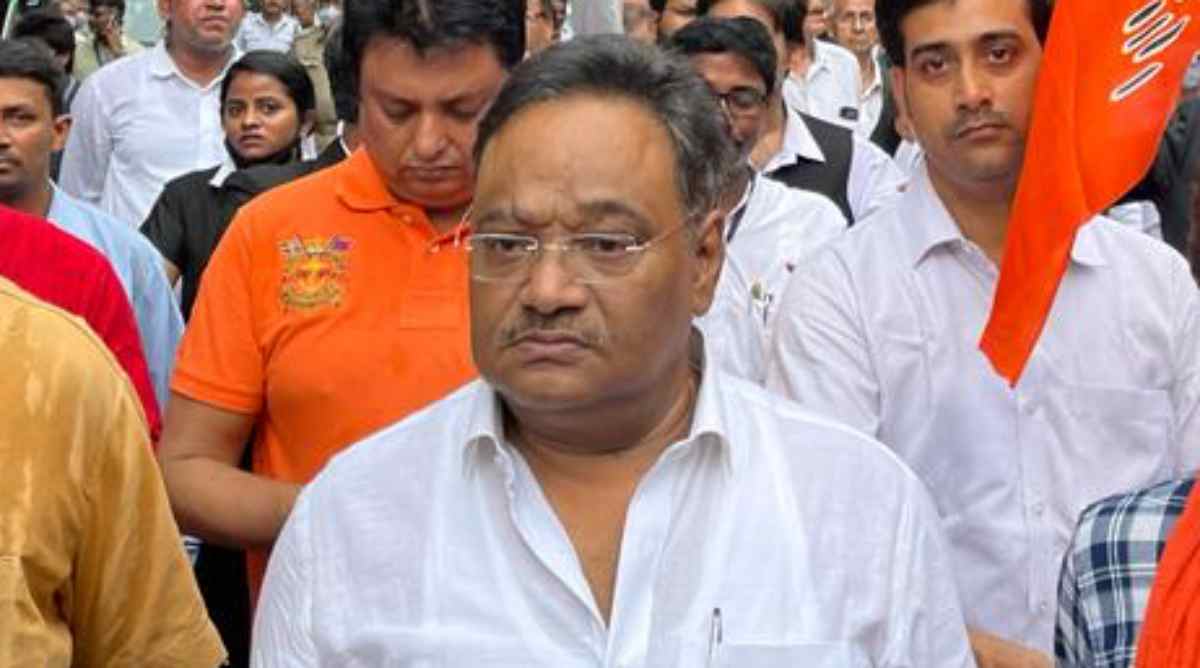
The newly elected Bharatiya Janata Party (BJP) government in West Bengal is planning to table the Uniform Civil Code (UCC) Bill during the ongoing Assembly session. State party president Samik Bhattacharya has clarified that the proposed code will not apply to members of Scheduled Tribes (STs), a move aimed at protecting their constitutionally guaranteed rights.
In a social media post on Saturday, Bhattacharya reiterated the BJP's commitment to implementing the UCC, describing it as part of the party's election manifesto and political promise. He wrote, "We need Uniform Civil Code in West Bengal because rights and duties of all citizens will be the same in the eyes of law. Marriage, divorce, inheritance, adoption and other issues instead of religion-based personal laws should be under one uniform structure which will strengthen unity, constitutional duality and justice in the country."
However, Bhattacharya emphasised an important exception: "Nothing contained in this Code shall apply to the members of any Scheduled Tribes within the meaning of clause 25 of Article 366 read with Article 342 of the Constitution of India. Their constitutionally guaranteed rights, practice, traditions and victims shall remain protected." He added that creating confusion over the UCC is unnecessary, as it aims to provide uniform law for all citizens while safeguarding the constitutional rights of scheduled tribes.
During the Assembly elections, the BJP had promised to implement the UCC within six months of coming to power. According to sources, a business advisory meeting was held late Thursday evening at the state Assembly, where the tabling of the UCC Bill was discussed.
The Uniform Civil Code is a proposed framework to replace religion-based personal laws with a common set of secular laws governing marriage, divorce, inheritance, and adoption for all citizens. Rooted in Article 44 of the Constitution, it aims to promote gender justice and national integration. The BJP has already implemented UCC in Uttarakhand and passed similar legislation in Gujarat and Assam.
The move has drawn criticism from opposition parties and minority groups. Uzma Alam, a member of the All India Muslim Personal Law Board, questioned the exemption of STs, alleging that it targets a particular community. "When you are saying that UCC is being brought for equality of all, why ST is being exempted? Is this a way to target only one community and its beliefs?" she asked.
Indian Secular Front (ISF) MLA Naushad Siddiqui said he would oppose the Bill in the Assembly, arguing that the government should focus on issues like food, jobs, and vacancies in schools and police instead of what he called a distraction. Trinamool Congress (TMC) MP Mahua Moitra also voiced opposition, stating that the UCC appears aimed at religious polarisation rather than welfare. She noted that India already has a uniform criminal procedure and emphasised the country's principle of unity in diversity.







