AI-Powered Matrimony Scams on the Rise: How Fraudsters Exploit Trust and Technology in India
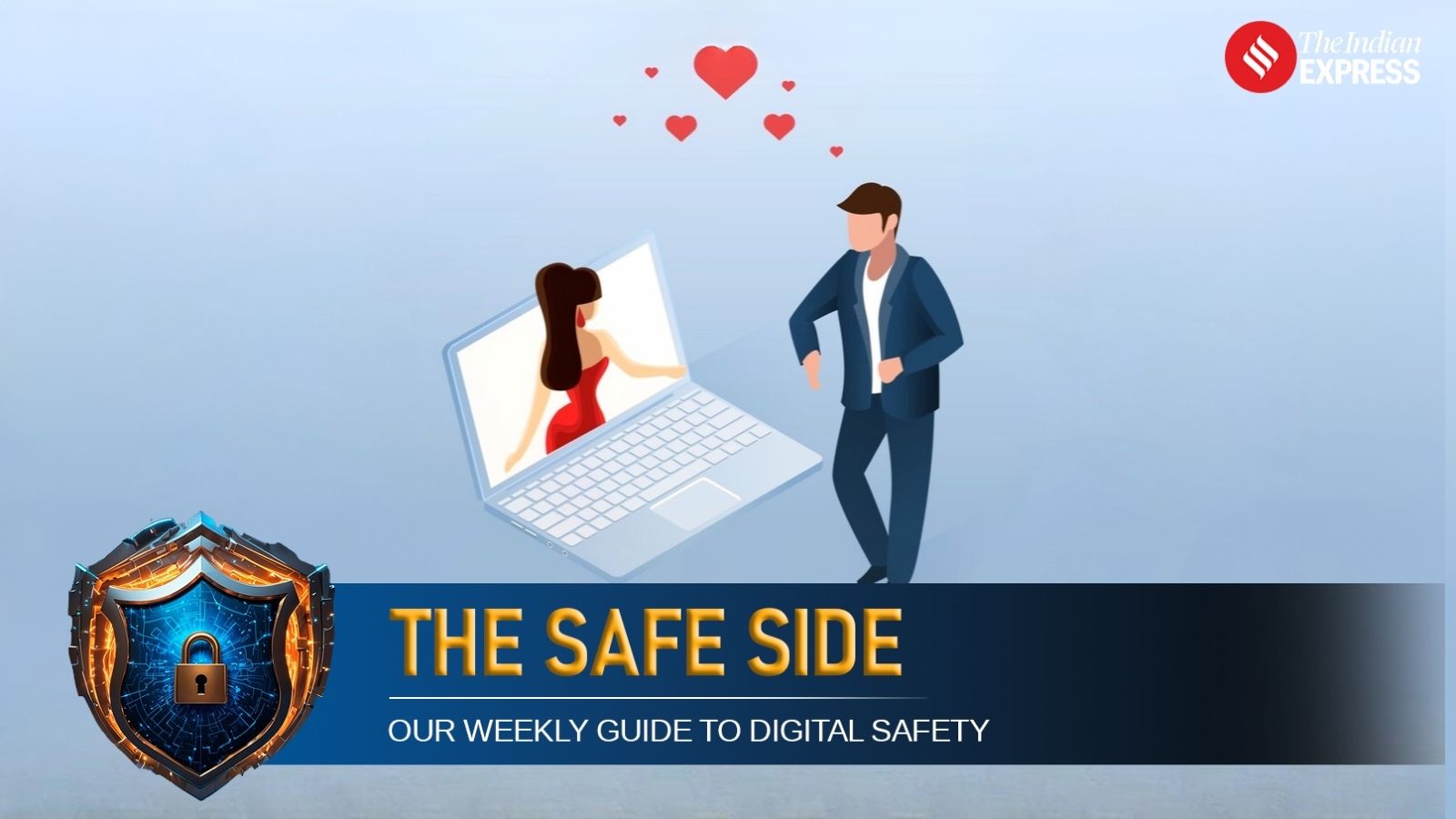
A 35-year-old software engineer in India received an interest request from a woman described as a well-qualified architect on a matrimonial platform. The profile featured professionally shot photographs, verified documents, and regular social media activity. Over weeks, they had conversations about work, family, and marriage plans, and even participated in what seemed genuine video calls. Then came a casual mention of earning 'safe returns' through forex trading—and an offer to help him invest.
Within days, the man transferred money into what appeared to be a legitimate trading platform. The dashboard showed steady profits, prompting him to invest more. When he tried to withdraw his money, the platform stopped responding. Investigators later found that the woman never existed. Her photographs had been generated using artificial intelligence (AI), video calls manipulated with AI tools, and identity documents forged. The entire relationship was orchestrated by a network operating dozens of fake matrimonial profiles from a handful of devices.
According to identity verification firm Bureau, India now ranks third globally for new romance scam profiles, accounting for 12 per cent of such profiles worldwide. Cases have emerged from Surat to Kochi. Around two weeks ago, Gujarat Police arrested five people, including a doctor, for allegedly running a cyber fraud syndicate that cheated residents of Surat through fake matrimonial profiles and a bogus forex investment scheme. The Kochi cyber police also reported last month that fraudsters were extensively using matrimonial sites to identify potential victims.
Experts note that matrimony fraud in India has evolved. Zakir Hussain Rangwala, CEO of BD Software Distribution Pvt Ltd, a cybersecurity firm, told indianexpress.com: “Matrimony fraud in India has moved far beyond fake names and stolen photographs. In the past, scammers mostly created simple fake profiles to gain someone’s trust. Today, they use AI tools to create realistic-looking faces, edit identity documents, and build completely fake identities that appear genuine. Some even use image editing and voice technology to make conversations feel more believable.”
Deependra Singh, a cyber security expert with the Betul police in Madhya Pradesh, said: “Matrimony fraud was once limited to fake profiles, but AI has made it far more dangerous. Today, anyone can create convincing fake photographs, forged documents, and highly believable online identities to gain a person’s trust.” He added that fraudsters rarely ask for money immediately; instead, they invest time in building a relationship, communicate regularly, and may even participate in video calls to appear genuine. Only after earning the victim’s confidence do they ask for money, often citing an emergency or presenting an investment opportunity.
Rangwala explained that matrimony platforms are attractive targets because they are built on trust. “People willingly share personal details, family information, career backgrounds, and future plans while looking for a life partner. This gives fraudsters valuable information to misuse. They know that users are more likely to believe someone who appears genuine and communicates regularly.”
The rise of AI-powered scams calls for stronger verification processes on platforms and greater user awareness. Citizens are advised to verify identities through multiple channels, avoid sharing sensitive information prematurely, and report suspicious profiles to authorities.