AI Decodes Zebra Finch Calls: Berkeley Scientist Wins $100,000 Prize
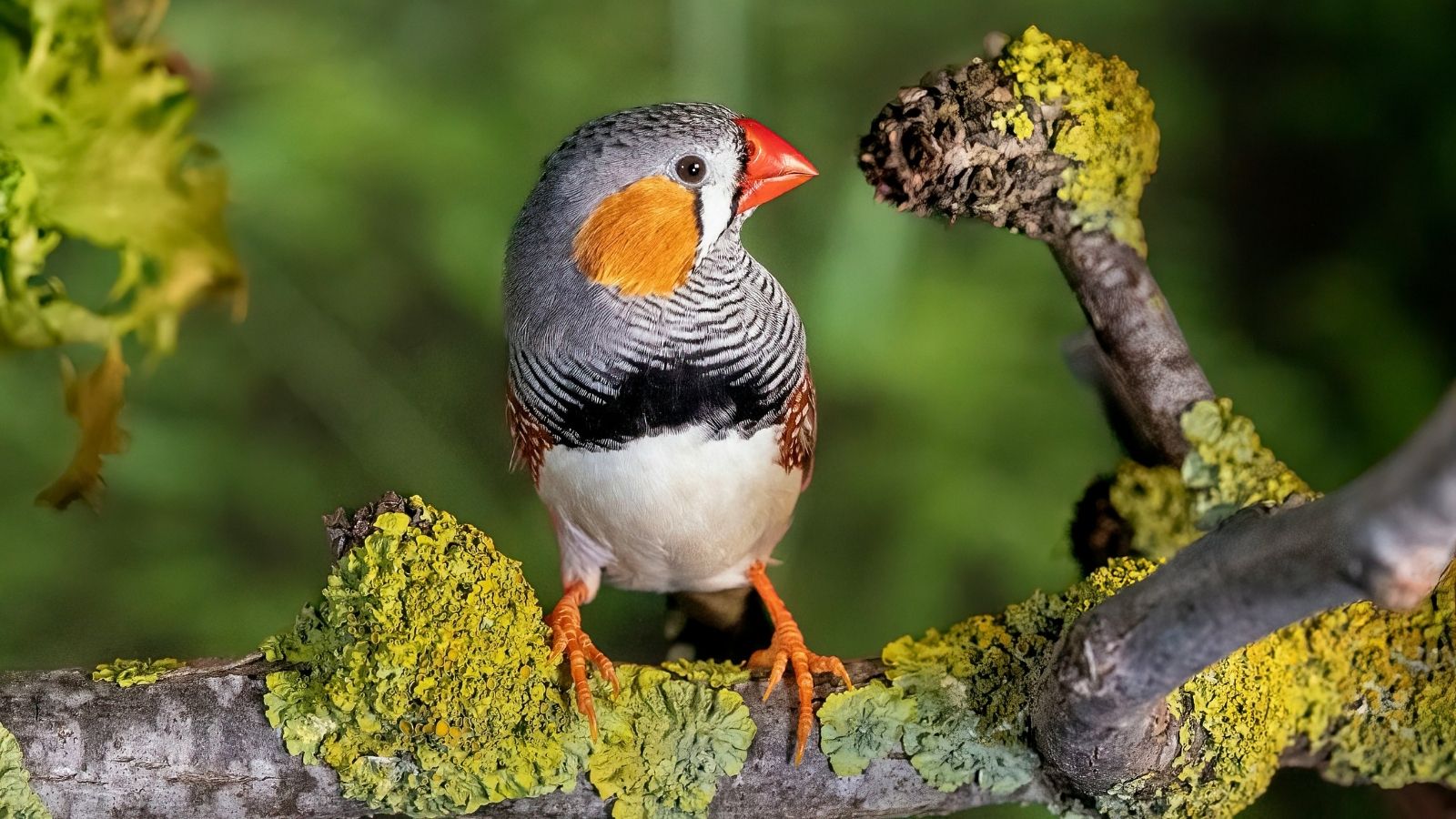
A researcher at the University of California, Berkeley has been awarded the 2026 Coller-Dolittle Prize for Two-Way Interspecies Communication, worth US$100,000, for using artificial intelligence to decode the core vocal repertoire of zebra finches. The prize recognizes Dr Julie Elie's 15-year effort to identify and interpret the meaning behind the birds' calls.
Zebra finches are small, highly vocal songbirds known for their constant chatter. Through extensive observation and AI analysis, Dr Elie identified 11 distinct calls that make up the species' basic vocabulary. These calls serve specific purposes: birds announce their identity, describe their current activity, and recognize each other through unique vocal signatures, regardless of the message being communicated.
The research marks a significant step toward understanding animal communication systems. While the prize is awarded for two-way interspecies communication, direct dialogue between humans and zebra finches remains a long-term goal. Dr Elie's work provides a foundational framework that could eventually be applied to other species.
The Coller-Dolittle Prize, established to encourage breakthroughs in interspecies communication, is one of the largest awards in the field. Dr Elie's findings were published in peer-reviewed journals and have been replicated by independent labs. The decoding process involved recording thousands of zebra finch calls, training AI models to recognize patterns, and correlating those patterns with behavioral contexts.
Scientists not involved in the study have praised the work as methodologically rigorous. However, they caution that interpreting animal vocalizations remains complex, and the concept of 'two-way communication' with animals is still largely experimental. Dr Elie's research does not claim to enable conversation with zebra finches, but rather to map their communication system in a way that humans can understand.
The prize money will be used to continue research and develop tools for real-time translation of zebra finch calls. Dr Elie hopes that this work will eventually lead to a better understanding of other vocal species, including mammals and possibly humans' closest relatives.