23 Opposition Parties Write to CJI Over Election Commission's SIR Process, Cite Concerns
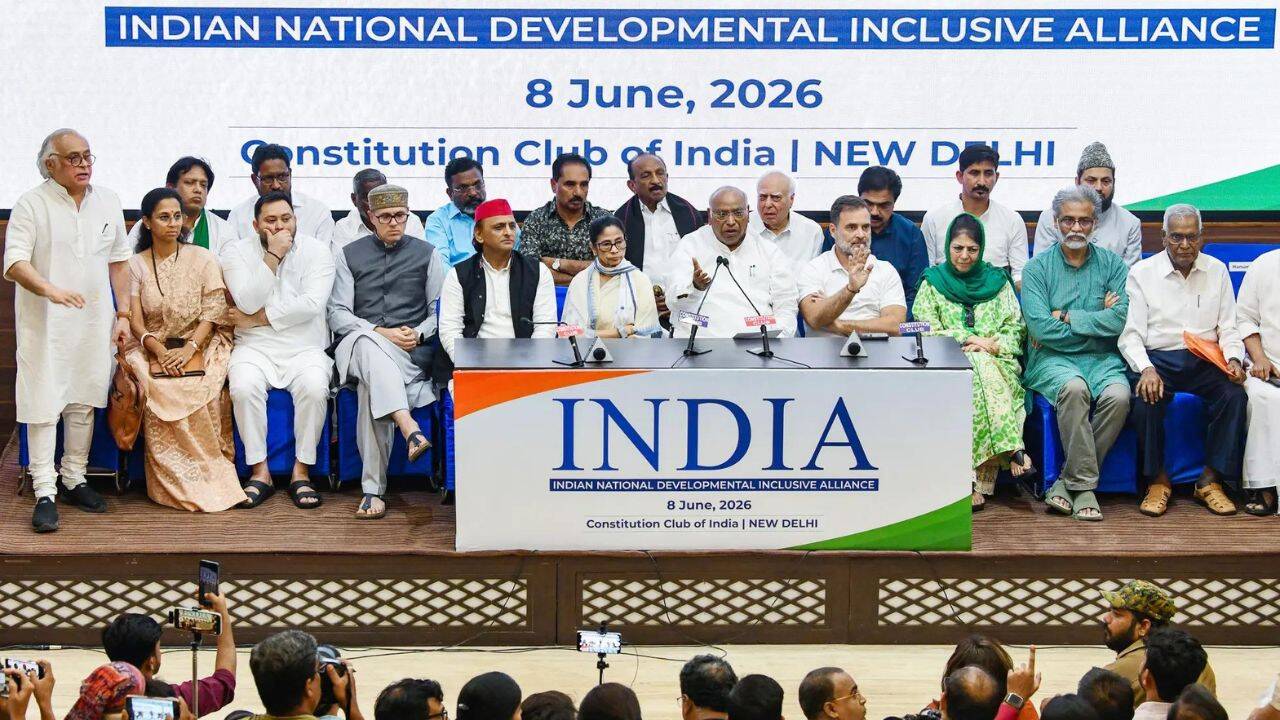
In a significant political development, 23 opposition parties have jointly written to the Chief Justice of India (CJI) raising concerns about the Election Commission's SIR (Special Investigative Report) process. The letter, sent on Wednesday, urges the judiciary to examine the transparency and fairness of the mechanism used by the Election Commission to handle complaints and investigations during elections.
The opposition parties, including the Indian National Congress, the Trinamool Congress, the Aam Aadmi Party, and others, have alleged that the SIR process lacks due process and can be misused to target political rivals. They have requested the CJI to consider issuing guidelines to ensure that the process adheres to constitutional principles and does not undermine the credibility of the electoral body.
The letter states, 'We are committed to SURE (Systematic, Unbiased, Reliable, and Equitable) electoral practices. The current SIR process, as it stands, does not guarantee these principles and risks being used as a tool to suppress dissent.' The opposition leaders have called for a judicial review of the process, arguing that it should be made more accountable and transparent.
The Election Commission has not yet officially commented on the matter. Sources within the commission indicated that the SIR process is a standard internal mechanism for verifying complaints and is not open to public scrutiny. They maintained that the process is impartial and based on facts.
Political analysts note that this move by the opposition comes ahead of several state elections and the general elections next year. The demand for judicial oversight over electoral processes has been a recurring theme, with opposition parties often accusing the Election Commission of bias. The Supreme Court is yet to decide whether to take up the matter.
This development highlights the ongoing tension between the ruling party and the opposition over the conduct of elections. The outcome of the Supreme Court's consideration could have far-reaching implications for electoral transparency in India.