US Study Finds COVID-19 Vaccination Tied to Lower Risk of Heart Attacks, Strokes
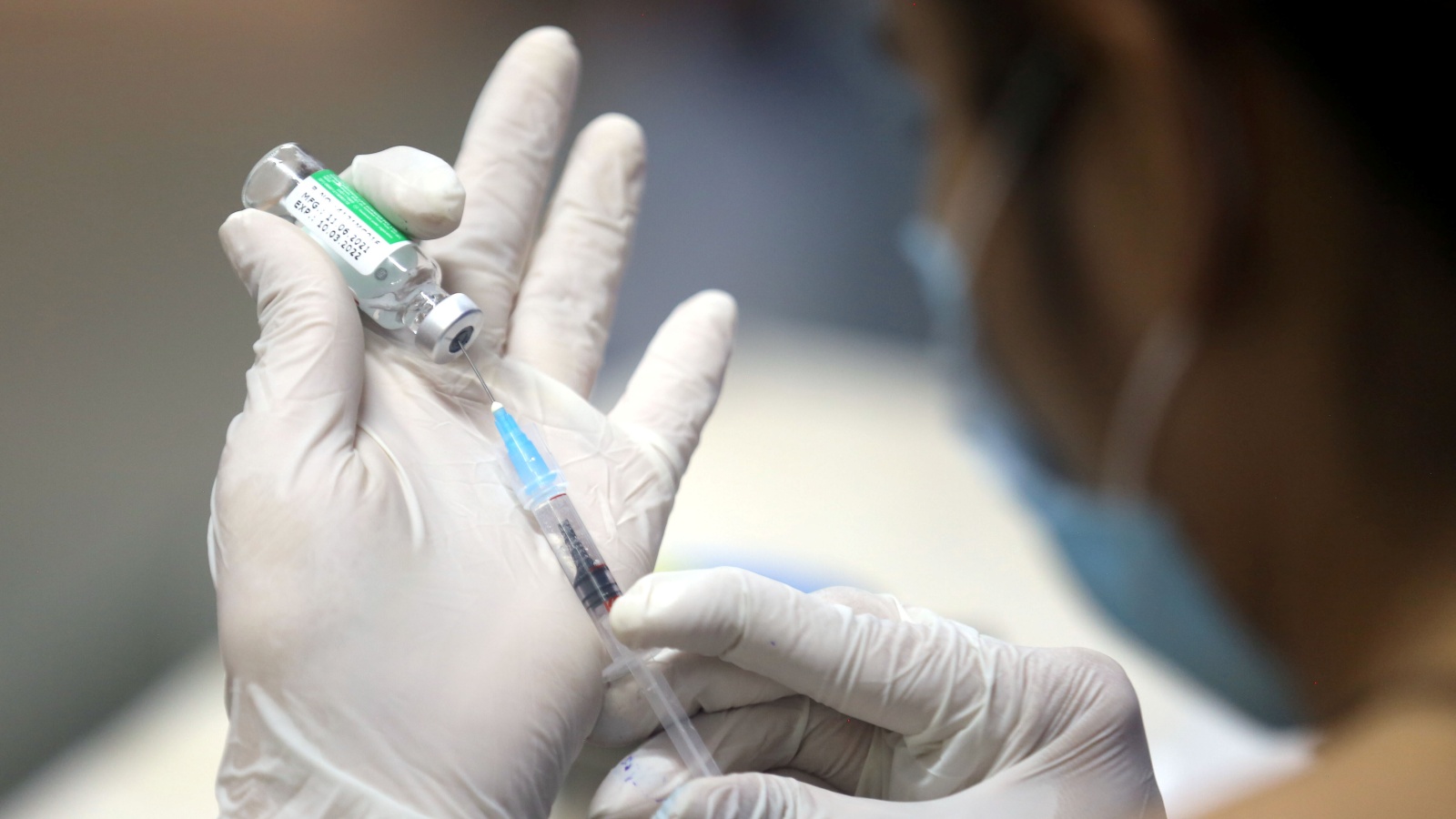
A large observational study conducted in the United States has found that people who received the latest COVID-19 vaccine (2024-2025 formulation) along with their flu shot were less likely to experience heart attacks, strokes, or death from cardiovascular causes compared to those who received only the flu shot. The findings, published in JAMA Internal Medicine, add to a growing body of evidence that COVID-19 vaccination does not increase the risk of heart problems—a concern that has persisted on social media despite a lack of scientific backing.
Researchers analysed data from over 1 million participants in the US Department of Veterans Affairs database between September and December 2024. They compared those who received both the influenza and COVID-19 vaccines with those who received only the influenza vaccine. After eight months of follow-up, the group that received both vaccines showed a lower risk of major adverse cardiovascular events (MACE) linked to COVID-19, according to lead author Dr Miao Cai, a biostatistician.
However, because the study was observational rather than a randomised controlled trial, it cannot establish cause and effect. The benefit was modest, translating to roughly 2–5 fewer cardiovascular events per 10,000 people. Experts caution that the results should not be misinterpreted as a reason for policy changes in countries like India, where COVID-19 complications are now rare and vaccination strategies differ.
Commenting on the study, Dr Rajeev Jayadevan, co-chairman of the National IMA Covid Task Force, noted that the reduction in risk was mainly seen among older adults and those with pre-existing conditions. “The most plausible explanation is that vaccination reduces COVID-19 infections and the blood vessel inflammation that can follow infection, thereby lowering the risk of cardiovascular complications,” he said. He also stressed that mRNA vaccines, which were used in the US, are not part of India’s vaccination programme.
India administered more than 2.2 billion doses of COVID-19 vaccines by October 2022, according to the National Health Mission. Public debate over sudden deaths among younger people has frequently centred on unsubstantiated claims about vaccine-related effects. Multiple investigations by Indian agencies, including the Indian Council of Medical Research and the National Centre for Disease Control, have found that the vaccines used in India are safe and effective, with serious adverse events being extremely rare.
Dr Jayadevan said the findings are reassuring as they counter the false narrative that COVID-19 vaccines increase heart attack risk. However, he emphasised that the study does not support a policy change in India. “Continued doses of the type of vaccines studied are not being administered as part of India’s programme. Moreover, COVID-related complications are now exceptionally rare compared with the earlier phase of the pandemic,” he said.
India already faces a high burden of cardiovascular disease, with an age-standardised mortality rate of 272 per 100,000 population, according to Dr Shrikanth N. Hegde of Anushri Medical and Diabetes Care Centre, Shivamogga. The country accounts for nearly one-fifth of global cardiovascular deaths. Experts advise that managing risk factors such as hypertension, diabetes, smoking, and unhealthy lifestyles remains the cornerstone of heart disease prevention.