Mumbai doctors find 23 viable sperms in teen's testis, preserving fatherhood hope
In a breakthrough that offers a ray of hope for young cancer patients, a team of specialists at Mumbai's Sir H N Reliance Foundation Hospital successfully retrieved 23 viable sperms from the surgically removed testis of a 19-year-old testicular cancer patient. The sperms have been frozen, preserving the teenager's chance of becoming a biological father in the future.
The patient, whose identity has been withheld at the family's request, was born with cryptorchidism, a condition where both testes fail to descend into the scrotum before birth. At the age of one, he underwent orchiopexy to bring the testes down. However, one testis had already suffered irreversible damage and had to be removed. The other was successfully positioned in the scrotum.
Years later, the surviving testis developed a large tumour that affected nearly 95% of the organ. Removing the cancerous testis was essential to save his life, but it also threatened to permanently end his ability to produce sperms. Before the surgery, the patient provided two semen samples. Both were analysed using an advanced AI-assisted sperm detection system, the first of its kind in India, developed in collaboration with the AZ-VUB IVF team in Belgium. Despite the advanced technology, no sperm was found in the samples, a condition known as azoospermia.
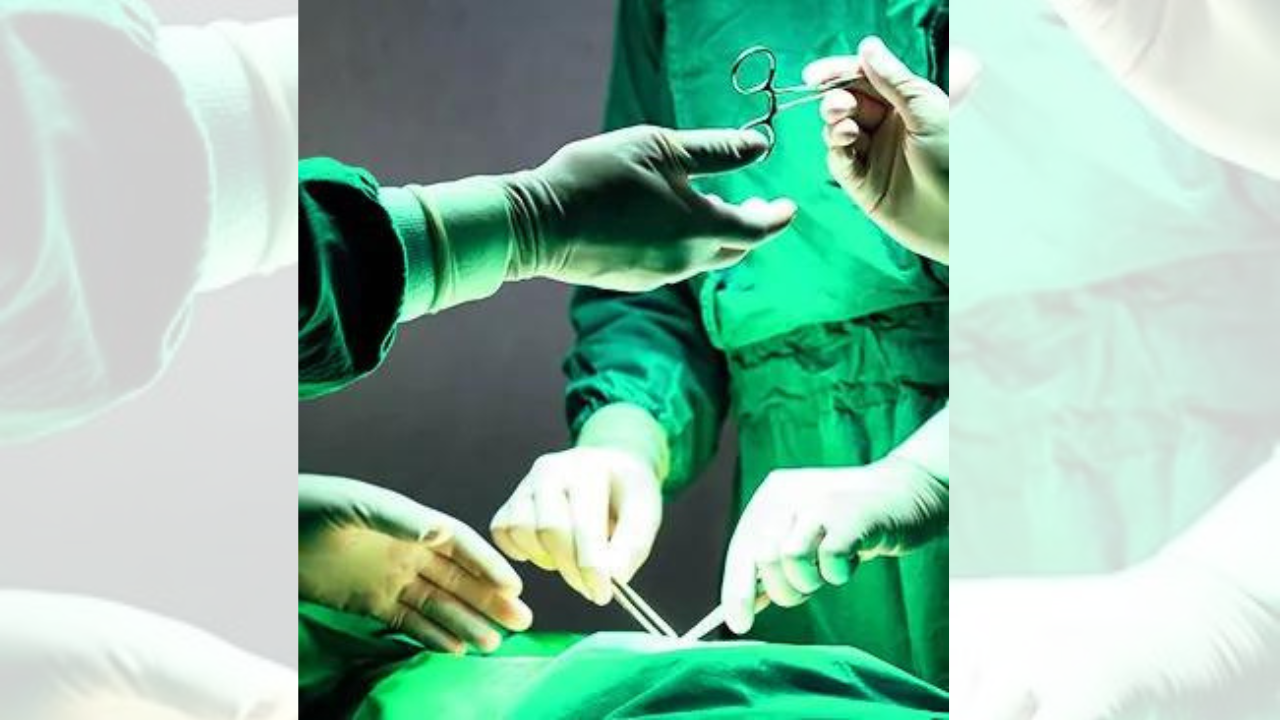
Faced with this setback, the medical team decided to attempt a rare ex-vivo Onco-TESE (oncological testicular sperm extraction). In this procedure, sperm retrieval is performed after the cancer-affected testis has been surgically removed. The organ is examined outside the body in a controlled laboratory environment to identify any surviving sperm-producing tissue unaffected by the tumour.
On July 25, 2026, a team of 10 specialists—including surgeons, urologists, andrologists, fertility specialists, and embryologists—began the meticulous search. After hours of painstaking effort, they found 23 viable sperms. The cells were immediately frozen and preserved for future use.
Dr Firuza Parikh, director of IVF at Well Women and Men's Centre, Sir H N Reliance Foundation Hospital, described the case as extremely challenging. “We wanted to explore every possible option to preserve his fertility and give him a chance of biological fatherhood,” she said. The success of the procedure brings hope not just to this teenager but to countless young cancer survivors who may face similar fertility challenges.
The development underscores the importance of fertility preservation in cancer care. Medical experts emphasise that onco-fertility services should be integrated into cancer treatment plans, especially for young patients whose reproductive years lie ahead. The 23 sperms now frozen represent 23 chances at fatherhood—a testament to the convergence of medical skill, technology, and compassion.