US Strikes Iran Third Night as UAE Tankers Hit in Strait of Hormuz; Oil Prices Surge
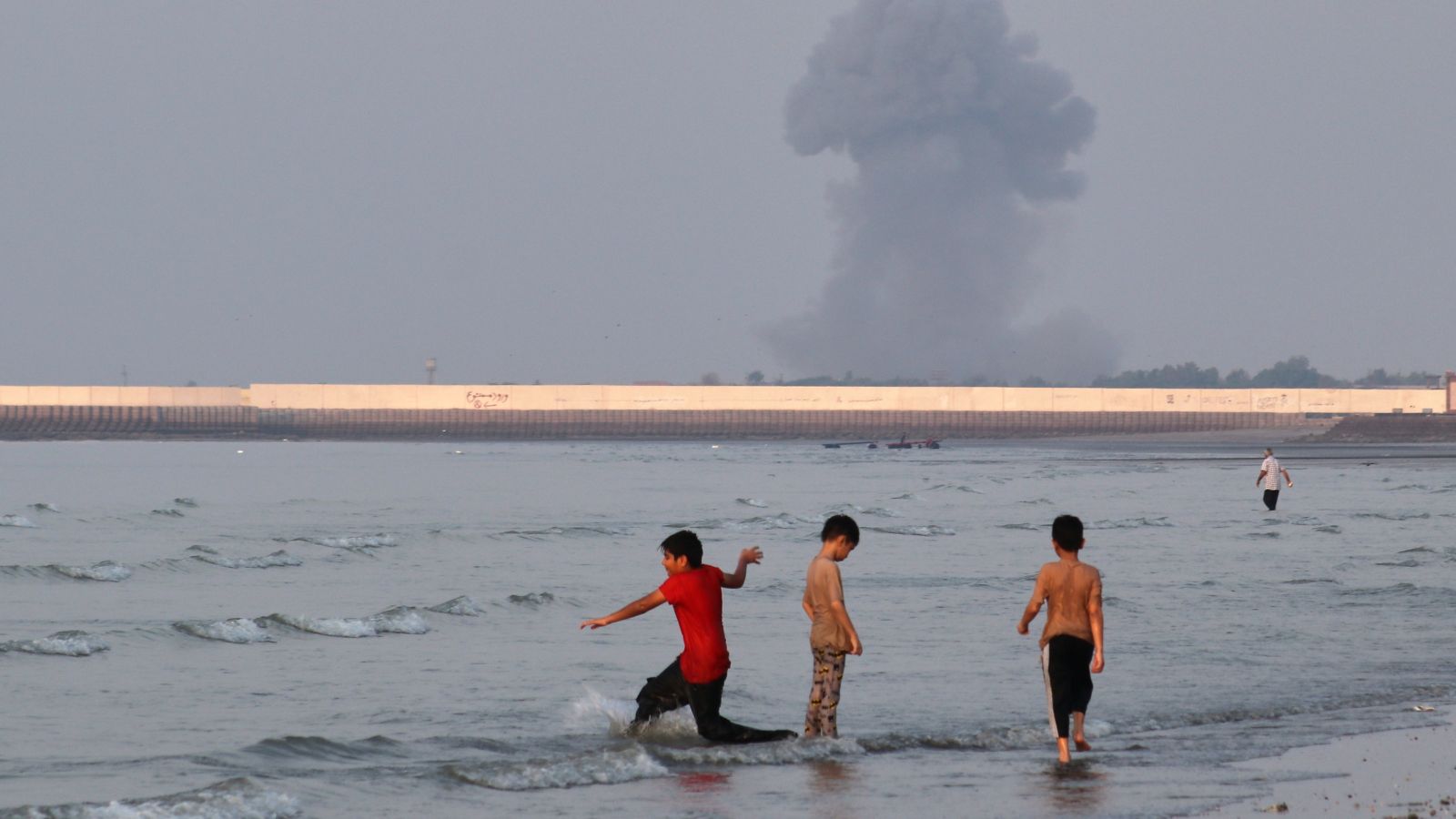
The United States launched a third consecutive night of strikes on Iran on Monday, as tensions over the Strait of Hormuz escalated following an Iranian missile attack on two UAE tankers. US Central Command said the strikes, carried out at President Donald Trump’s direction, aimed to degrade Iran’s ability to threaten commercial shipping in the strategic waterway. Iranian media reported explosions in Bandar Abbas and on the islands of Kish, Qeshm and Abu Musa.
Iran claimed it struck US military sites in Kuwait and a vessel it described as hostile to American interests. Tehran’s military command warned that any US role in managing the Strait of Hormuz would be treated as an act of war.
The UAE’s Ministry of Defence said Iranian cruise missiles struck two of its national tankers, the Mombasa and Al Bahiyah, in the southern shipping lane of the Strait of Hormuz, within Omani territorial waters. One Indian national crew member was killed, and eight others were wounded—six Indians and two Ukrainians, four of them seriously. The ministry condemned the strike as a violation of international law.
President Trump announced that the US would resume its naval blockade of Iranian ports from Tuesday and impose a 20 percent fee on cargo transiting the strait. In response, global oil prices jumped over 9 percent.
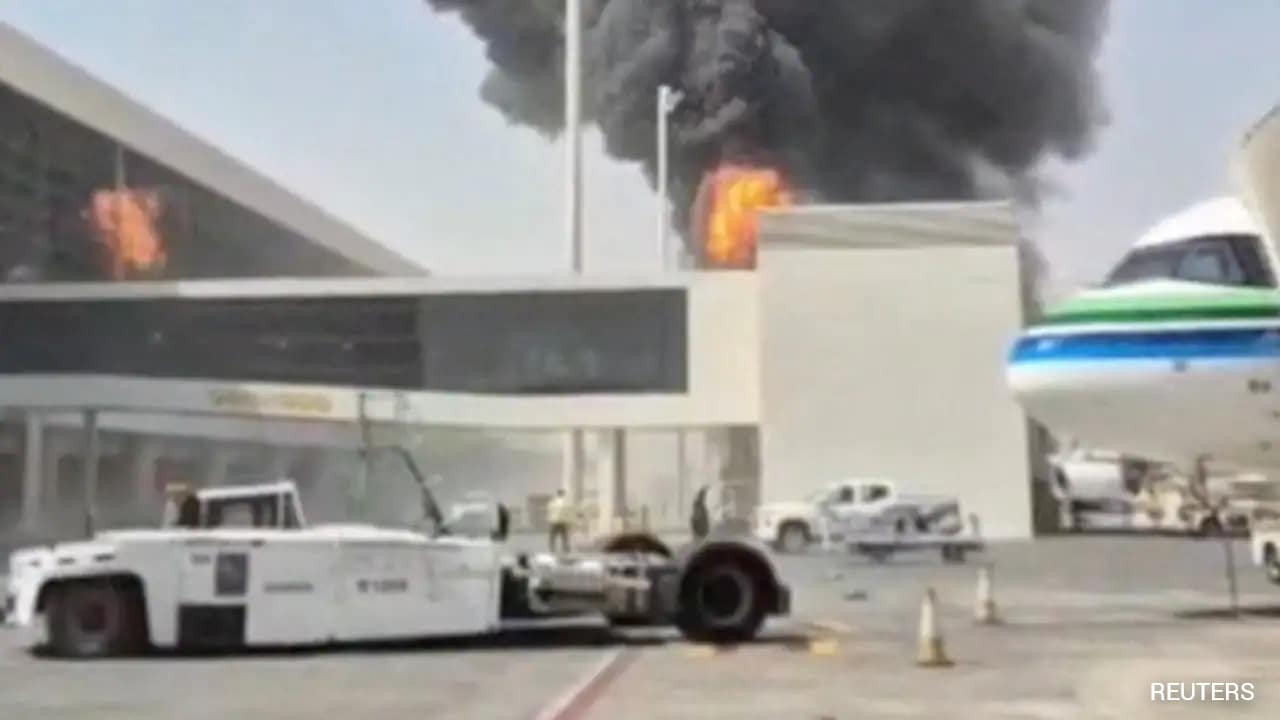
Separately, Saudi Arabia said it intercepted a Houthi ballistic missile, while Houthi forces claimed Saudi strikes hit Sanaa’s international airport, indicating a breakdown of the Saudi-Houthi truce.
The Strait of Hormuz is a vital chokepoint for global oil shipments, with about 20 percent of the world’s petroleum passing through it. The ongoing conflict raises concerns about supply disruptions and wider regional instability.