Modi's visits to Indonesia, Australia, NZ: New impetus for Act East Policy
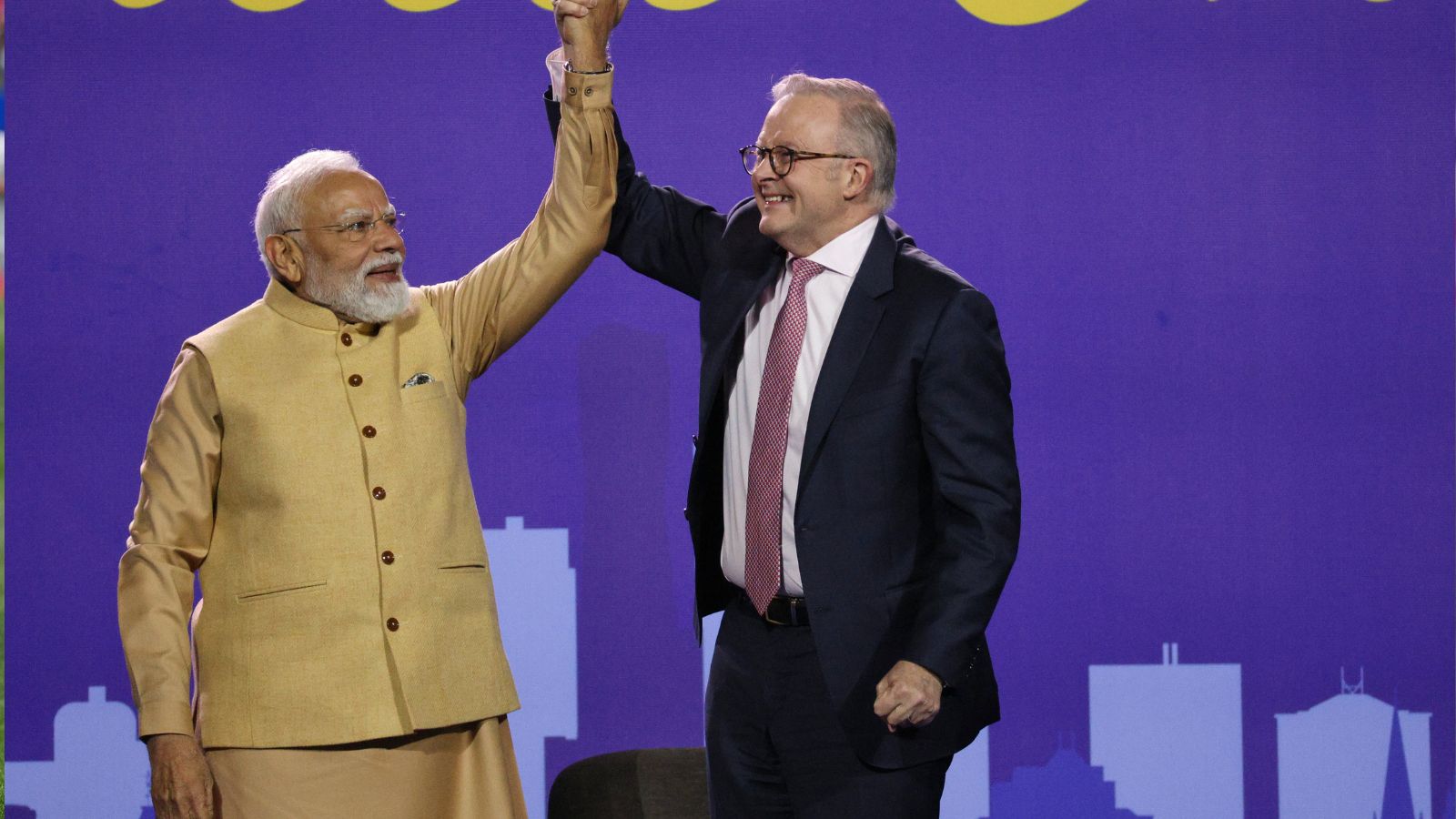
Prime Minister Narendra Modi's recent visits to Indonesia, Australia and New Zealand mark a significant step in advancing India's Act East Policy. This policy, which succeeded the Look East Policy in 2014, aims to deepen economic cooperation, strengthen cultural ties, and build strategic relationships with countries in the Indo-Pacific region.
During the 12th ASEAN-India Summit in 2014, Prime Minister Modi declared the shift from 'Look East' to 'Act East', signalling a more proactive approach. The policy extends beyond Southeast Asia to include the wider Asia-Pacific, encompassing both bilateral and multilateral engagements.
India's historical linkages with East Asia, particularly in trade and culture, provided the foundation for this policy. The Look East Policy, launched in 1991, initially focused on economic integration with Southeast Asia. The Act East Policy broadened the scope to include security, connectivity, and cultural exchanges, integrating both hard and soft power elements.
As Prime Minister Modi stated, 'For too long, India and the United States have looked at each other across Europe and the Atlantic. When I look towards the East, I see the western shores of the United States.' This reflects the strategic vision of the policy, linking India's eastward engagement with the broader Indo-Pacific framework.
The recent visits to Indonesia, Australia and New Zealand underscore India's commitment to strengthening ties with key regional partners. These countries are crucial for India's economic and security interests, particularly in the context of evolving regional dynamics. The visits have focused on enhancing trade, investment, defence cooperation, and people-to-people connections.
Analysts view these engagements as part of India's broader strategy to counterbalance China's growing influence in the region. However, the policy also emphasises cooperative and inclusive approaches, aligning with India's constitutional values of peaceful coexistence and mutual respect.
Challenges remain, including geopolitical tensions, economic uncertainties, and the need for greater infrastructure connectivity. Nonetheless, the Act East Policy offers opportunities for India to play a more significant role in regional architecture, promoting stability and prosperity.
In summary, Prime Minister Modi's visits have given renewed momentum to India's Act East Policy, reinforcing its objectives of economic integration, strategic partnership, and cultural diplomacy in the Indo-Pacific.