US-Saudi Nuclear Deal Stalled Amid Iran War, Enrichment Concerns
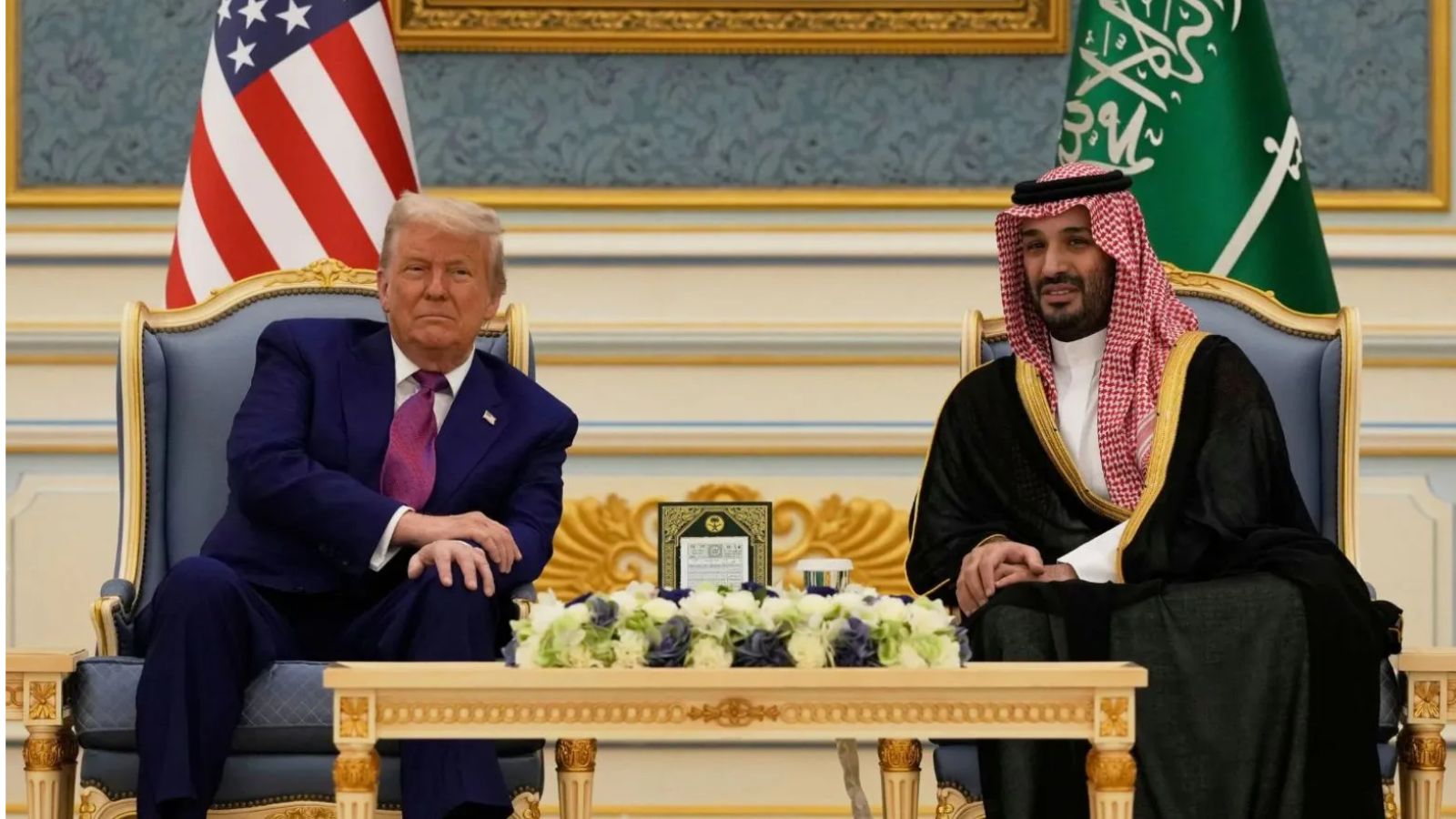
The Trump administration has agreed to allow Saudi Arabia to enrich uranium on its own soil, according to sources and documents reviewed by CNN. However, President Donald Trump has not yet signed off on the draft deal, even though negotiating teams from the United States and Saudi Arabia finalised terms in October 2025.
The deal includes a civil nuclear cooperation pact, known as a '123 agreement', along with a separate safeguards agreement. Once signed, it must be sent to Congress for review, but four sources say it has not yet been submitted.
Why is the deal stuck? Two sources familiar with the matter said the ongoing war with Iran, which Trump has said was partly launched to stop Tehran from using enriched uranium for weapons, has contributed to the delay. Some on Capitol Hill believe the administration is holding off because the deal could face a bipartisan disapproval resolution that would block it from taking effect.
The White House did not answer questions and instead pointed to an October 2025 statement from Energy Secretary Chris Wright, who said the two countries had reached a deal on civil nuclear cooperation alongside bilateral safeguards.
Experts have raised concerns about specific terms. The draft reportedly includes a special arrangement allowing Saudi Arabia to enrich uranium and possibly reprocess plutonium domestically — something a source called unprecedented for this type of agreement. Enrichment and reprocessing are the two main routes to producing material needed for a nuclear bomb; most countries buy already-enriched uranium from suppliers like the United States or Russia rather than producing it themselves.
The draft also does not require Saudi Arabia to sign the International Atomic Energy Agency's Additional Protocol, an enhanced safeguards standard. Instead, oversight would come only through a bilateral safeguards agreement between the United States and the kingdom. This marks a departure from the 2009 deal with the United Arab Emirates, in which the UAE accepted the Additional Protocol and agreed to forgo enrichment and reprocessing altogether — an arrangement nuclear experts consider the 'gold standard' for such deals.
Kelsey Davenport of the Arms Control Association said the Additional Protocol exists to give the IAEA more access, after it became clear that basic safeguards agreements alone were not enough to stop countries from moving towards nuclear weapons. Andrea Stricker of the Foundation for Defense of Democracies argued this is the wrong moment to loosen standards, since without the Additional Protocol, the IAEA would have fewer rights to inspect undeclared sites. She said there is no safe way to allow enrichment or reprocessing on Saudi soil, even under American control, warning that the Saudis could eventually nationalise such a facility, or that trained technicians could take their knowledge elsewhere.
However, not all experts share this alarm. Dan Joyner, a nuclear law professor at the University of Alabama, said the absence of the Additional Protocol is not itself a red flag, and that the adequacy of the deal depends on terms that have not yet been made public. He believes the commercial and strategic benefits of working with Saudi Arabia outweigh the residual proliferation risk.
The delay in signing the deal highlights the complex balance between advancing civilian nuclear cooperation and preventing nuclear proliferation, especially in a volatile region.