25 Years After Agra Summit, Kashmir Leaders Reiterate Need for Dialogue Despite Strained Ties
Twenty-five years after the landmark Agra Summit between India and Pakistan ended without a breakthrough, leaders in Jammu and Kashmir say that dialogue remains the only viable option despite the deep mistrust that has since developed. The summit, held in July 2001, saw then Pakistan President Pervez Musharraf and Indian Prime Minister Atal Bihari Vajpayee come close to an agreement on the Kashmir dispute, but the talks collapsed.
Since then, the political landscape of Jammu and Kashmir has been significantly altered. In August 2019, the Indian government abrogated the special status granted to the state under Article 370, reorganised it into two union territories. The move was met with widespread dismay in the region. Additionally, cross-border hostilities have escalated, with incidents such as the Pulwama attack in February 2019 and subsequent military offensives further straining relations.
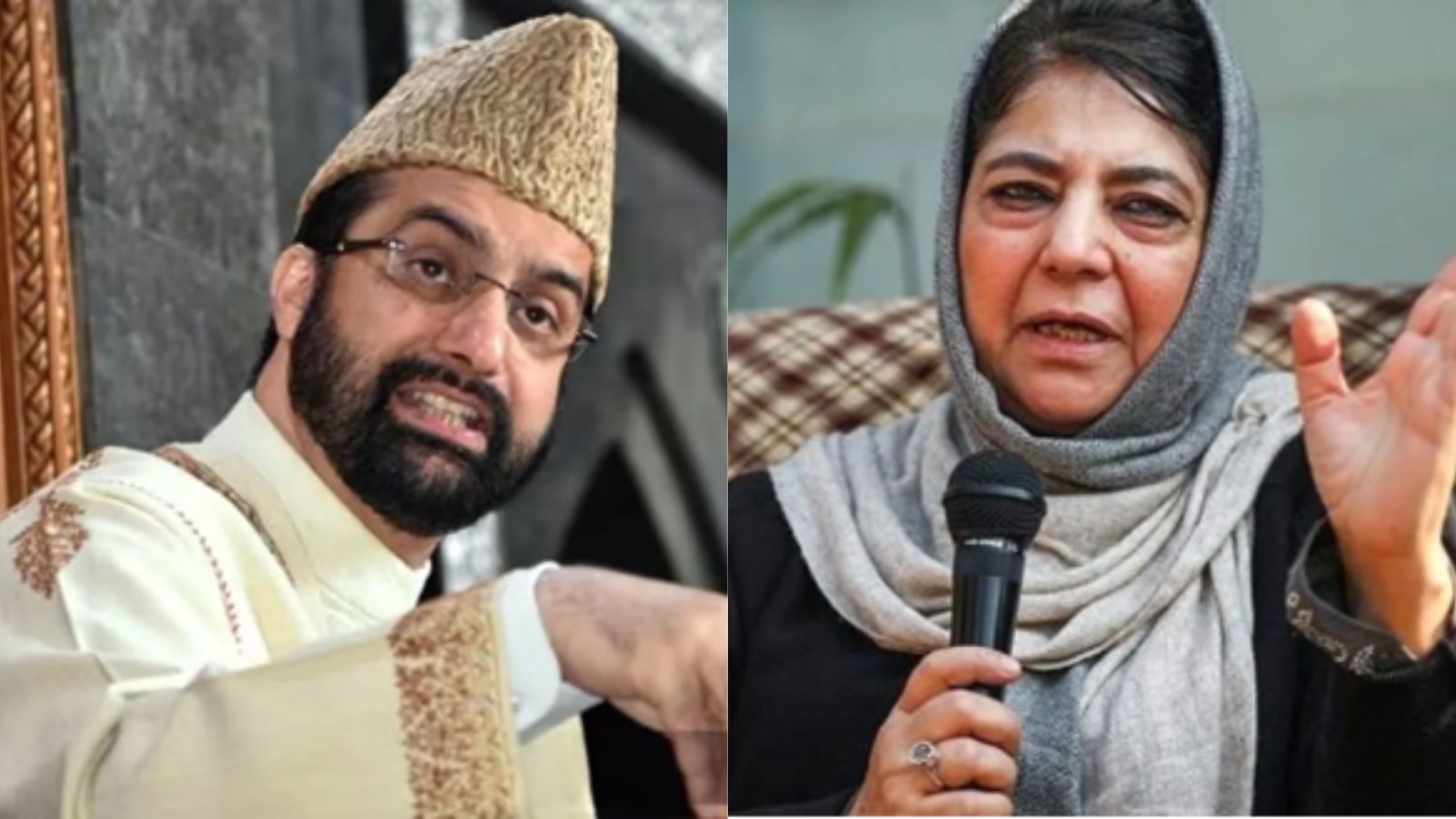
Hurriyat chairman Mirwaiz Umar Farooq, who met Musharraf before the summit, recalled the controversy that arose from that meeting. "It was literally a storm in a teacup. The way it was turned into a huge controversy, we felt that the Hurriyat and its point of view was being misunderstood," he said. He noted that the experience led the Hurriyat to coin the term "triangular talks" to emphasise the need for including Kashmiri voices in any dialogue process, without insisting on being at the same table as India and Pakistan.
"The whole idea was that the Kashmiri voice should be a part of the process. We had seen Shimla, Tashkent (agreements) — they didn't work because the Kashmiri voice was not a part," Mirwaiz added.
Peoples Democratic Party (PDP) president and former Chief Minister Mehbooba Mufti expressed hope that a breakthrough seemed near at the time of the Agra Summit. "There was a rare convergence of political thinking at the state and central level, as well as in Pakistan. Vajpayee ji was at the centre, Mufti sahib in the state, and Musharraf sahib in Pakistan," she said.
Veteran Communist leader M. Y. Tarigami, who attended the summit independently, expressed pessimism about the immediate prospects for dialogue. "The gap between the two countries, the level of mistrust are immensely high. There is no significant attempt from either side to reduce or address these gaps," he said.
The India-Pakistan engagement after the Agra Summit did lead to confidence-building measures, including a bus service across the Line of Control and cross-LoC trade, but these were suspended after the Pulwama attack. Mirwaiz stressed the necessity of resuming talks: "What is the option with us other than picking up the threads from Agra? We can't be in a perpetual state of war."