U.S. Pacific Command Designation Restored, ‘Indo’ Dropped
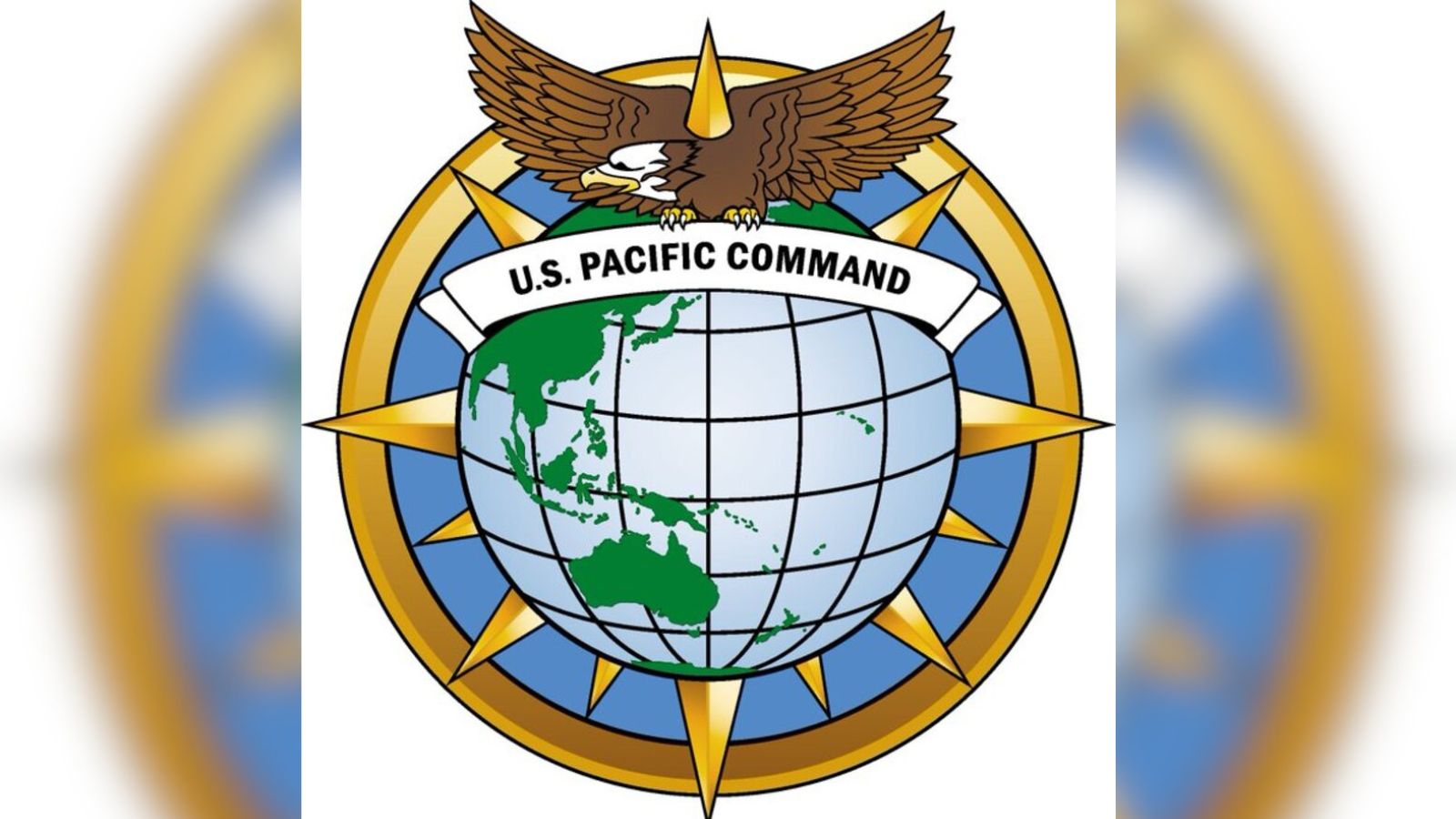
The United States Department of Defense announced on June 16 that it is reverting the designation of its unified combatant command responsible for the vast region covering the Pacific and Indian Oceans. The command, known since 2018 as the U.S. Indo-Pacific Command (USINDOPACOM), will once again be called the U.S. Pacific Command (USPACOM). The change effectively drops the ‘Indo’ prefix from the name.
The decision returns the command to its previous nomenclature, which it held for over seven decades. Originally established in 1947 as the U.S. Pacific Command, it was renamed in May 2018 during the administration of President Donald Trump. At that time, then-Defense Secretary James N. Mattis stated that the new name reflected the “increasing connectivity between the Indian and Pacific Oceans” and was consistent with the U.S. National Defense Strategy. The 2018 renaming was part of a broader shift in U.S. strategic thinking, which underscored the growing significance of India and the Indian Ocean in the context of strategic competition with China. The term ‘Indo-Pacific’ gained traction in diplomatic and military circles, particularly within the Quad grouping of the United States, Japan, India, and Australia.
The command was originally created in the aftermath of World War II to consolidate U.S. military operations in the Pacific theater. Over the decades, it evolved from a focus on conventional warfare to encompass a wide range of missions, including deterrence, counterterrorism, humanitarian assistance, and regional military cooperation.
No specific reason was provided in the latest announcement for the reversal. Military officials have not elaborated on the rationale behind restoring the older name. The command’s area of responsibility remains unchanged, spanning from the waters off the western coast of the United States to the eastern shores of India, and from Antarctica to the North Pole. It remains the oldest and largest of the U.S. unified combatant commands, currently led by Admiral John C. Aquilino.
The U.S. Pacific Command has long been a cornerstone of American military presence in the Asia-Pacific region. Under either name, it oversees hundreds of thousands of military personnel and is responsible for maintaining security relationships with allies and partners in the region. The command plays a critical role in responding to contingencies, from natural disasters to potential conflicts.
Observers note that the terminology shift from “Indo-Pacific” to “Pacific” may have diplomatic implications, as “Indo-Pacific” had become a common geopolitical term emphasizing the importance of India and the Indian Ocean rim. Reverting to “Pacific” might be interpreted as a step away from that broader framing, though it does not alter the command’s operational scope or commitment to partners across the region.
As of now, the U.S. Department of Defense has not indicated any further organizational changes. The command is expected to continue its mission under the restored name, which many within the military and the public may already be familiar with from its long history. The change is largely administrative, but it revives a designation that had been in place for most of the post-World War II era.