Trump warns of 'very hard' Iran strikes; reports suggest possible weekend assault
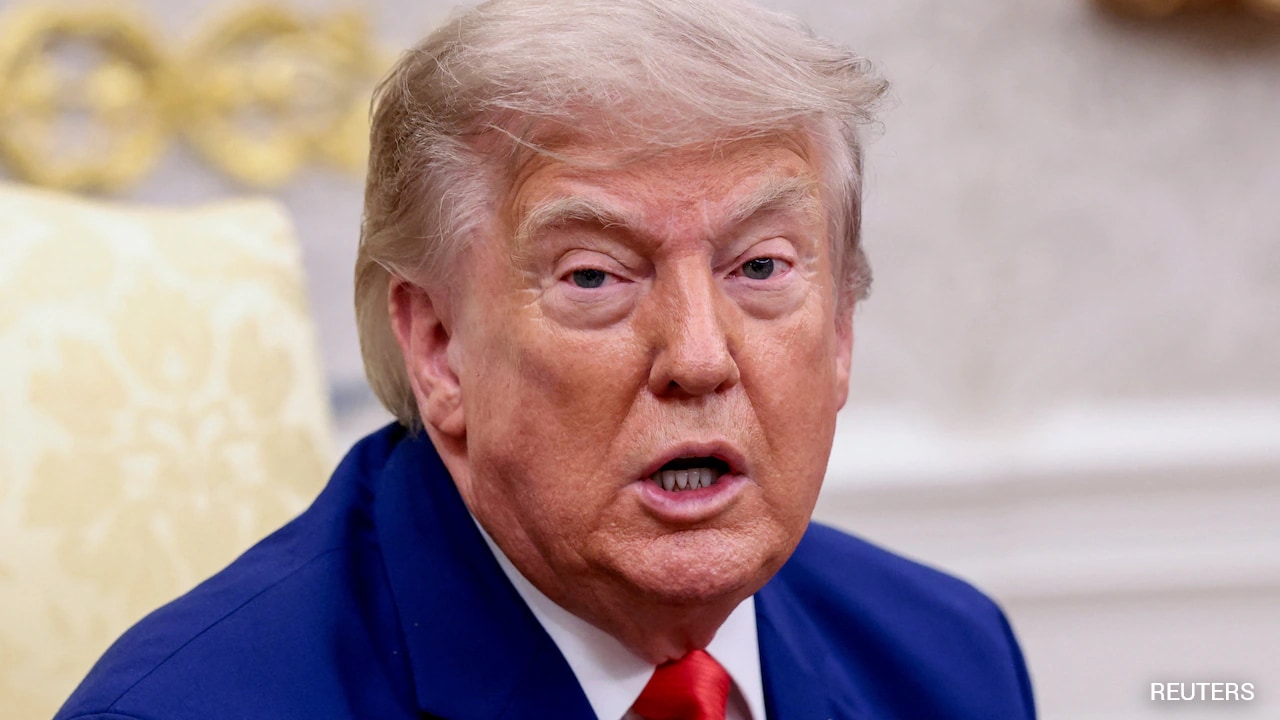
US President Donald Trump has warned that Iran will face "very hard" fresh strikes, with American media reporting that a new assault could come as early as this weekend. However, no final order for a military strike has been given yet, according to officials.
Speaking at a Cabinet gathering at Camp David on Friday, Trump said: "We will be hitting them very hard... And at some point, they will say we just can't take it anymore." He added, "I think we just want to win," and expressed disappointment with Tehran, saying Iran "lie and misinterpret." The remarks were his most direct yet on the possibility of renewed military action.
The Wall Street Journal reported that Trump has instructed the military to prepare a fresh assault aimed at compelling Iran to surrender. The report said officials were discussing whether to conclude the strikes before financial markets open on Monday, citing concerns about the impact on the US and global economy. There was no designated end point to the talks, the report added.
CBS News reported that the US and Israel are planning what could be one of the harshest bombing campaigns to date against Iran's energy infrastructure and refineries. According to officials, Israel has been notified and is coordinating with the US. If carried out, it would mark Israel's return to combat operations, which it had halted during the fragile US-Iran truce.
White House Press Secretary Karoline Leavitt said, "We will win, and Iran will not have a nuclear weapon under his watch." Chief Pentagon spokesperson Sean Parnell said the Department of War is "locked and loaded."
The warnings come amid a conflict that began on February 28 after joint military strikes by the US and Israel on Iran. A truce was reached last month, but both sides have continued striking each other, causing widespread regional instability. Both sides have accused each other of violating the truce. Iran has blocked the Strait of Hormuz, disrupting maritime shipments of crude oil, natural gas, and fertiliser. Iranian drone and missile strikes on Persian Gulf nations have also caused severe operational and economic disruptions. The blockades and attacks have led to increased shipping costs, delays in deliveries, and disruptions in fertiliser supply chains, affecting agriculture in several countries.
The Strait of Hormuz is a critical chokepoint for global energy supplies, with a significant portion of the world's crude oil passing through its waters. Any prolonged disruption could have far-reaching consequences for the global economy. This week, the situation escalated further after two vessels carrying liquefied natural gas were targeted by drone strikes at Damietta port in Egypt, raising concerns about the safety of shipping routes.
Despite the warnings, Trump is yet to give the final 'go' order for the strikes. Neither the White House nor the Pentagon has officially confirmed the reports. The reports of a potential weekend attack are based on anonymous officials and have not been independently verified. The evolving situation remains fluid, with diplomatic efforts and military preparations both reported to be underway. The situation remains highly fluid, and any military action could further destabilise the region.