US-Iran Talks in Switzerland Yield Mixed Results; US Temporarily Lifts Oil Sanctions
The first round of US-Iran peace talks in Switzerland concluded on Monday, with both sides offering starkly different accounts of what was agreed, particularly on whether Tehran had committed to admitting UN nuclear inspectors. Despite the contradictions, mediators Qatar and Pakistan called the session a positive start, and the US followed through on a key economic commitment by temporarily lifting oil sanctions on Iran.
US Vice President JD Vance stated that Iran agreed to admit UN nuclear inspectors “this week,” but Iran’s foreign ministry said it had made “no new commitments” on the issue. This conflicting claim highlights the ongoing mistrust between the two nations.
In a major policy reversal, Washington temporarily suspended oil sanctions on Iran for 60 days, allowing Tehran to sell oil at market prices and transact in US dollars. This move is seen as a goodwill gesture to keep diplomatic channels open.
On the issue of frozen assets, Iran’s central bank said memoranda were signed to begin releasing them, but Vance noted that no final agreement had been reached on the complex issue. The matter remains unresolved.
Both sides agreed to establish a communication line to reduce misunderstandings in the Strait of Hormuz, a critical waterway for global oil shipments. Additionally, a separate Lebanon cell, facilitated by Qatar and Pakistan, was set up to enforce the ceasefire in Lebanon.
The hardest question—what to do about Iran’s uranium stockpile and enrichment rights—was not resolved. Iran’s president reiterated that Tehran would “never back down” from its right to enrich uranium, indicating tough negotiations ahead.
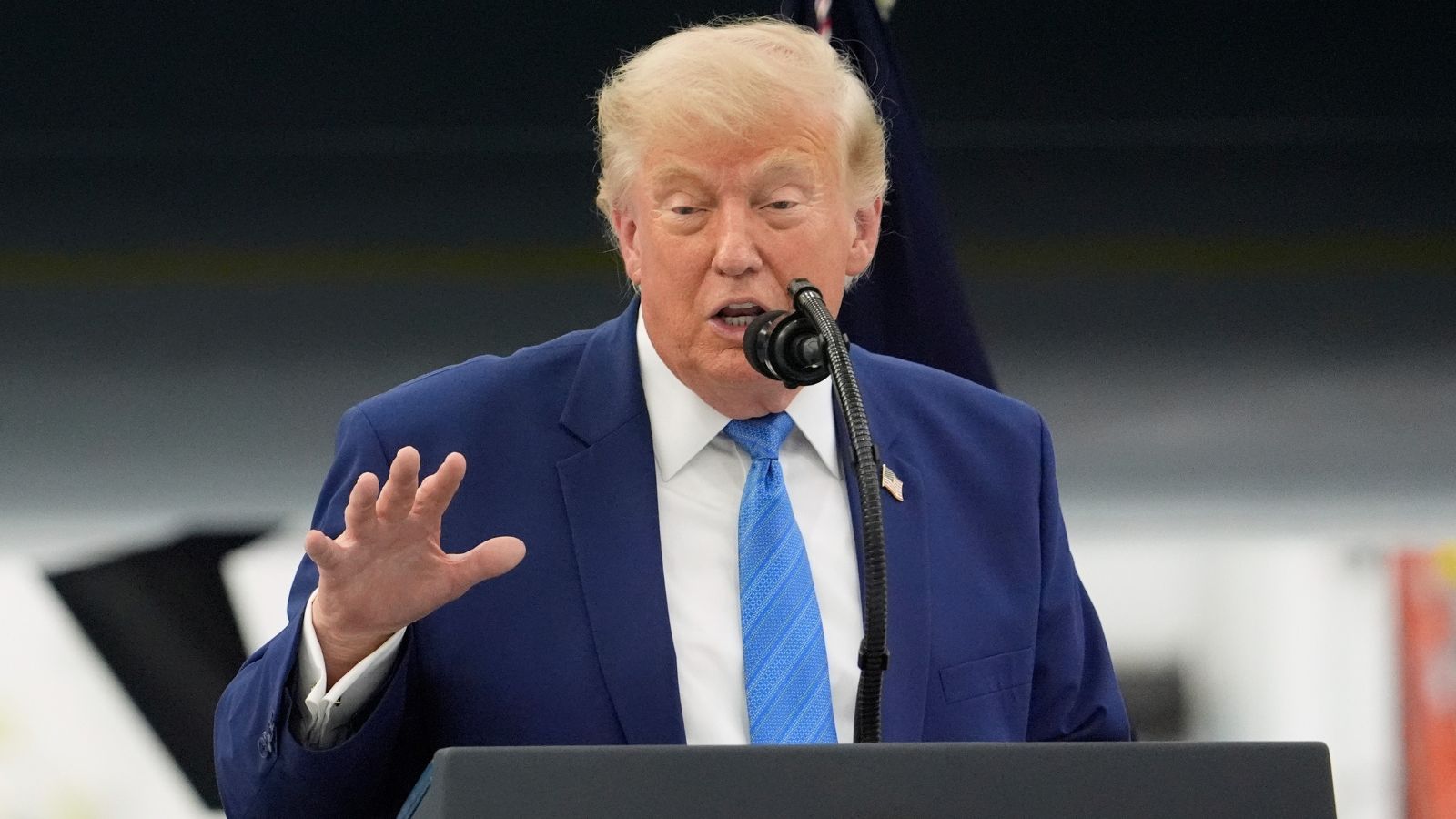
Meanwhile, President Donald Trump issued a warning, stating, “I will do what I have to do” if the nuclear deal is violated, underscoring the continuing tensions surrounding Lebanon, which has emerged as a principal sticking point in the negotiations.