11 Injured in Houthi Strikes on Saudi Arabia, Escalating Regional Tensions
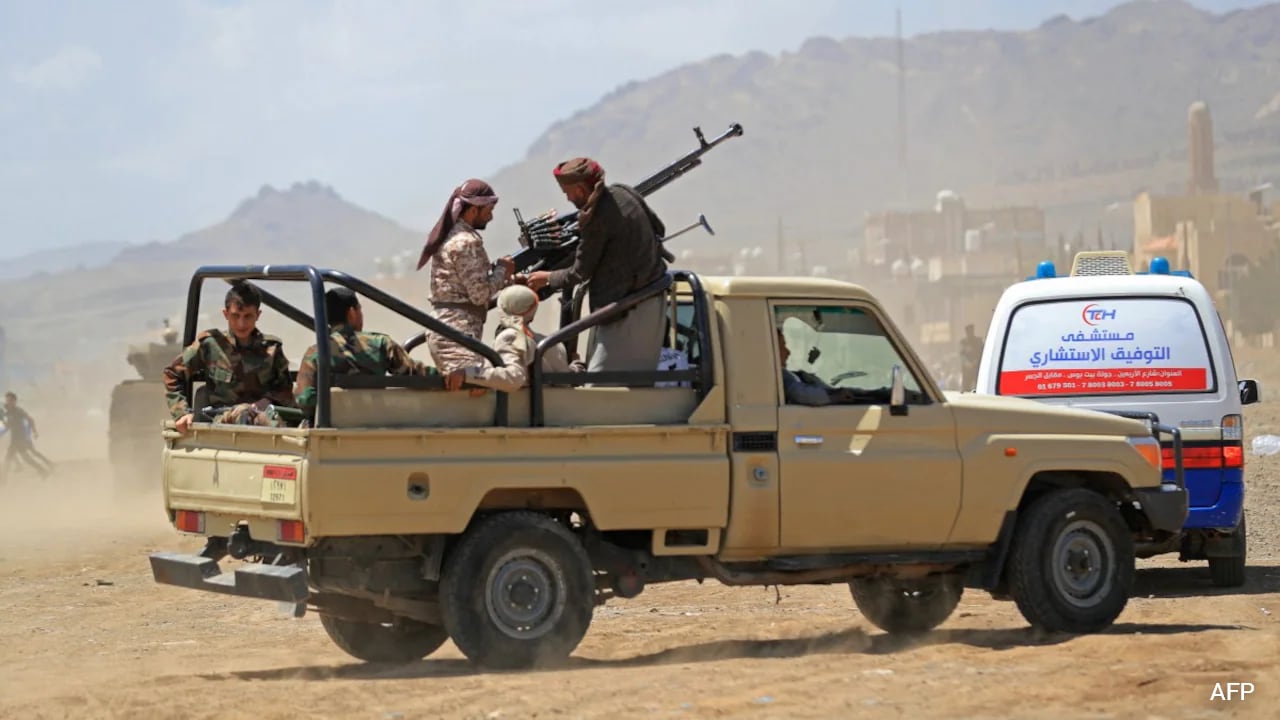
At least 11 people, including a four-year-old child, were injured in Saudi Arabia on Thursday following a series of attacks by Yemen's Houthi rebels, according to the Saudi military. The strikes targeted the southern Najran region, near the Yemeni border, and also wounded nationals from Yemen, Egypt, and Pakistan.
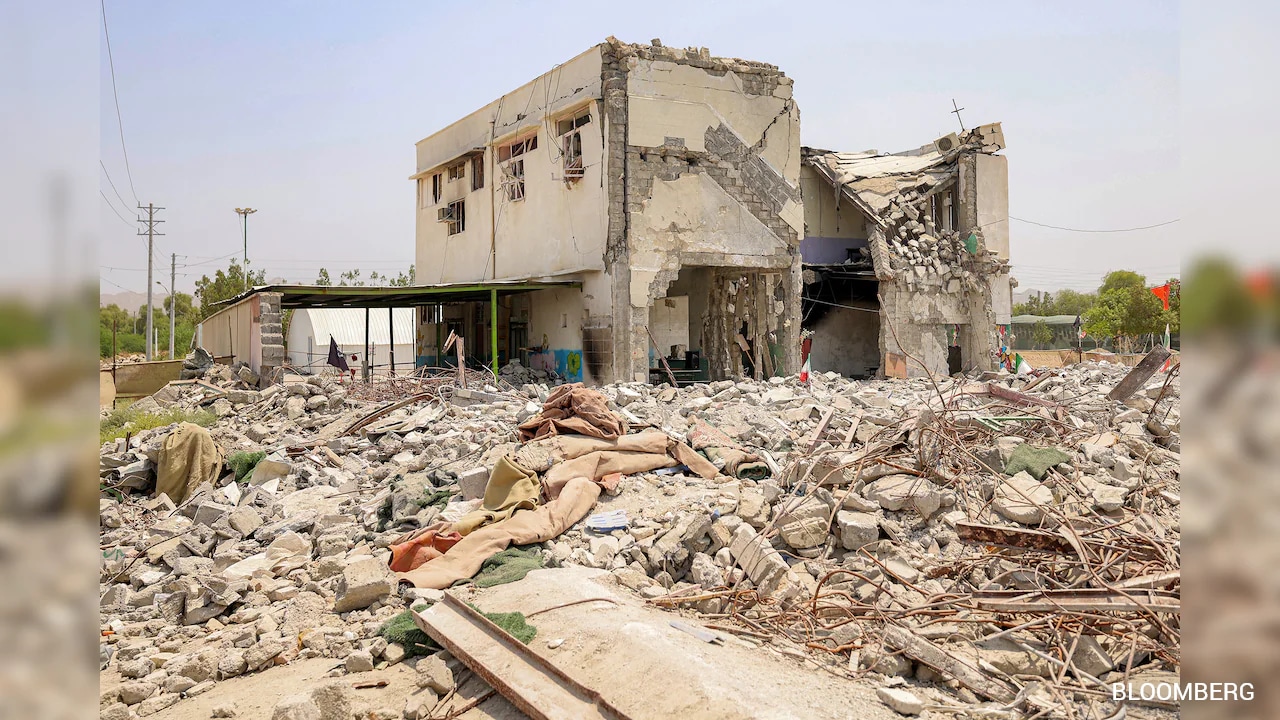
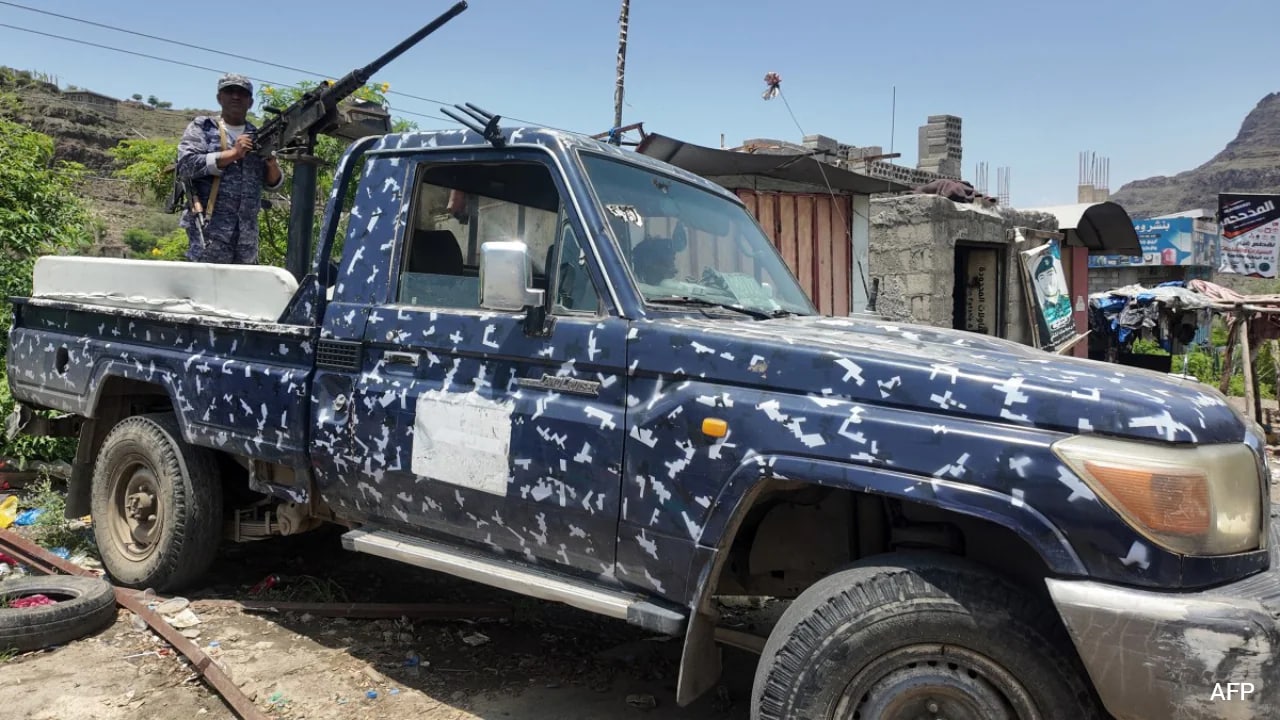
The attacks came hours after the Houthis claimed responsibility for separate strikes on government troop camps in central and eastern Yemen, which reportedly killed at least 30 soldiers and wounded 50 others. The Houthi military spokesperson, Brig. Gen. Yahya Saree, said the assaults were carried out with ballistic missiles and drones, targeting forces loyal to the internationally recognised government. He claimed "hundreds" of Saudi-backed troops were killed or injured, and that the strikes destroyed camps, depots, and military vehicles.
Saudi military spokesman Turki al-Malki condemned the attacks, describing them as "indiscriminate shelling against civilian objects" and a violation of international humanitarian law. He confirmed that among the wounded were seven Saudi nationals, one Yemeni, two Egyptians, and one Pakistani expatriate. The Houthis did not release a separate statement about the Najran incident.
These events mark a significant escalation since a de facto truce was established in April 2022, which had largely halted major fighting between the Houthis and a Saudi-led coalition backing Yemen's internationally recognised government. The United Nations and international observers have repeatedly urged both parties to maintain the ceasefire and engage in peace talks.
The war in Yemen began in 2014 when Houthi forces seized the capital, Sanaa, forcing the government into exile in Saudi Arabia. A Saudi-led coalition intervened in 2015 to restore the government, but the conflict has since become a stalemated proxy war, with no clear victor. The Houthis say their recent actions, including a naval blockade in the Red Sea, are a response to the Kingdom's air and sea blockade on Yemen since 2015.
In a statement on social media, the US mission to Yemen expressed condolences to the families of the Yemeni soldiers killed in Hadramout and Marib provinces, and condemned the Houthi attacks as "another example of their terrorism against the Yemeni people." However, independent analysts note that both sides have engaged in actions that have harmed civilians, and urge a return to political dialogue.
Local media in Yemen reported that the attacks on government camps in Marib and Hadramout left dozens of casualties, but official figures have not been independently verified. The internationally recognised government's army confirmed that there were dead and wounded among its troops but provided no official death toll.
The escalation comes at a time when regional tensions are already high, with observers warning that continued violence could undermine ongoing diplomatic efforts to end the conflict. The United Nations has been mediating between the parties, and a UN-brokered ceasefire has largely held since 2022, despite sporadic violations.
The injured in Najran were taken to nearby hospitals, and Saudi authorities have said they are providing medical care. The condition of the four-year-old child was not immediately known, but reports suggest the injuries were not life-threatening.
This latest incident underscores the fragile nature of the truce and the need for all parties to exercise restraint. Without a comprehensive political solution, civilians on both sides of the border remain vulnerable to periodic violence. International humanitarian organisations continue to call for safe access to affected areas and for the protection of civilians, in line with international law.
The Houthi leadership has signalled it could continue military actions unless its demands are met, including the full lifting of blockades and payment of salaries to its forces. The Saudi-led coalition, for its part, insists it will defend its territory and forces against further attacks. As the situation develops, the world watches to see whether the fragile peace can hold or whether the region will slip back into full-blown conflict.