US-Iran Deal Forces Netanyahu to Rethink Election Strategy Amid Political Pressure
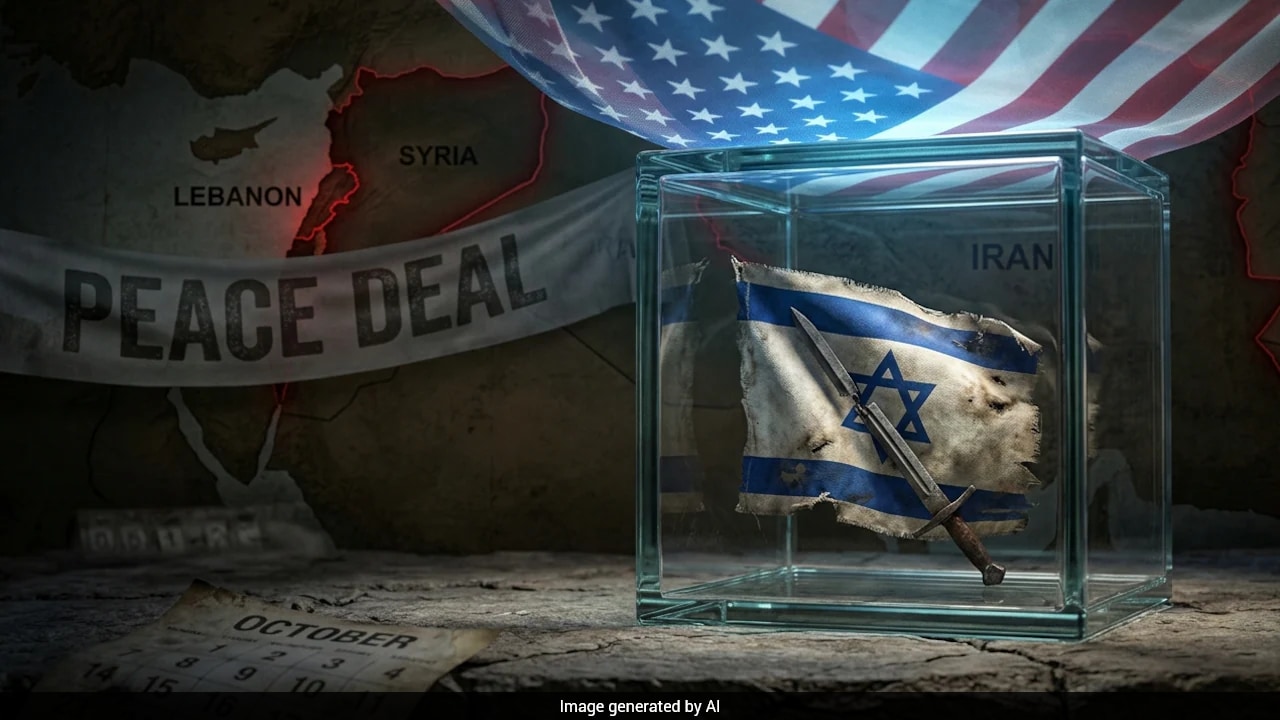
Israeli Prime Minister Benjamin Netanyahu faces a narrowing path to re-election as a proposed US-Iran peace deal reshapes the political landscape ahead of an election required by October. The 76-year-old leader, seeking a seventh term, is struggling with low approval ratings following the October 7 Hamas attack and ongoing corruption charges against him.
The US-brokered agreement between Washington and Tehran, proposed by former President Donald Trump, has undercut Netanyahu's strategy of framing wars with Iran and the Hezbollah as existential threats. Israeli voters, particularly in the north, have grown weary of prolonged conflict, with a Hebrew University poll showing Likud support dropping to 23% in the region from 35% in the 2022 election.
Netanyahu now appears to be pivoting to a political-military approach, combining limited military action against the Hezbollah with rhetorical emphasis on the Gaza campaign. He has declared 'victory' against Iran, citing US-Israel strikes that he claims prevented 'nuclear annihilation.' The US-Iran deal reportedly includes guarantees that Tehran will not pursue nuclear weapons and will hand over enriched uranium, alongside lifting of economic sanctions.
The prime minister has stated that Israeli forces will remain in a buffer zone in southern Lebanon for 'as long as necessary,' a position that neither Washington nor Tehran fully supports but may accept as a temporary measure. The Hezbollah has indicated openness to peace if Israel halts attacks, with Israeli military officials echoing that stance. However, hardline factions within Israel oppose any deal that does not dismantle Iran's regime, fearing re-armament.
Trump, facing his own election in November, has pushed for de-escalation after the war drained US resources and cost him voter support. Netanyahu, reliant on $3.8 billion annual US aid since 2019, cannot afford to defy Washington entirely. Last week's Israeli strike on Beirut, which killed three people, drew a rebuke from Trump.
Analysts say Netanyahu's best option is calibrated action against the Hezbollah—enough to satisfy domestic critics but not enough to derail the US-Iran deal. With time running out, the coming months will test his ability to navigate between US pressure, domestic demands, and the realities of a shifting geopolitical landscape.


