US Court Strikes Down $100,000 H-1B Visa Fee: What It Means for Indian Professionals
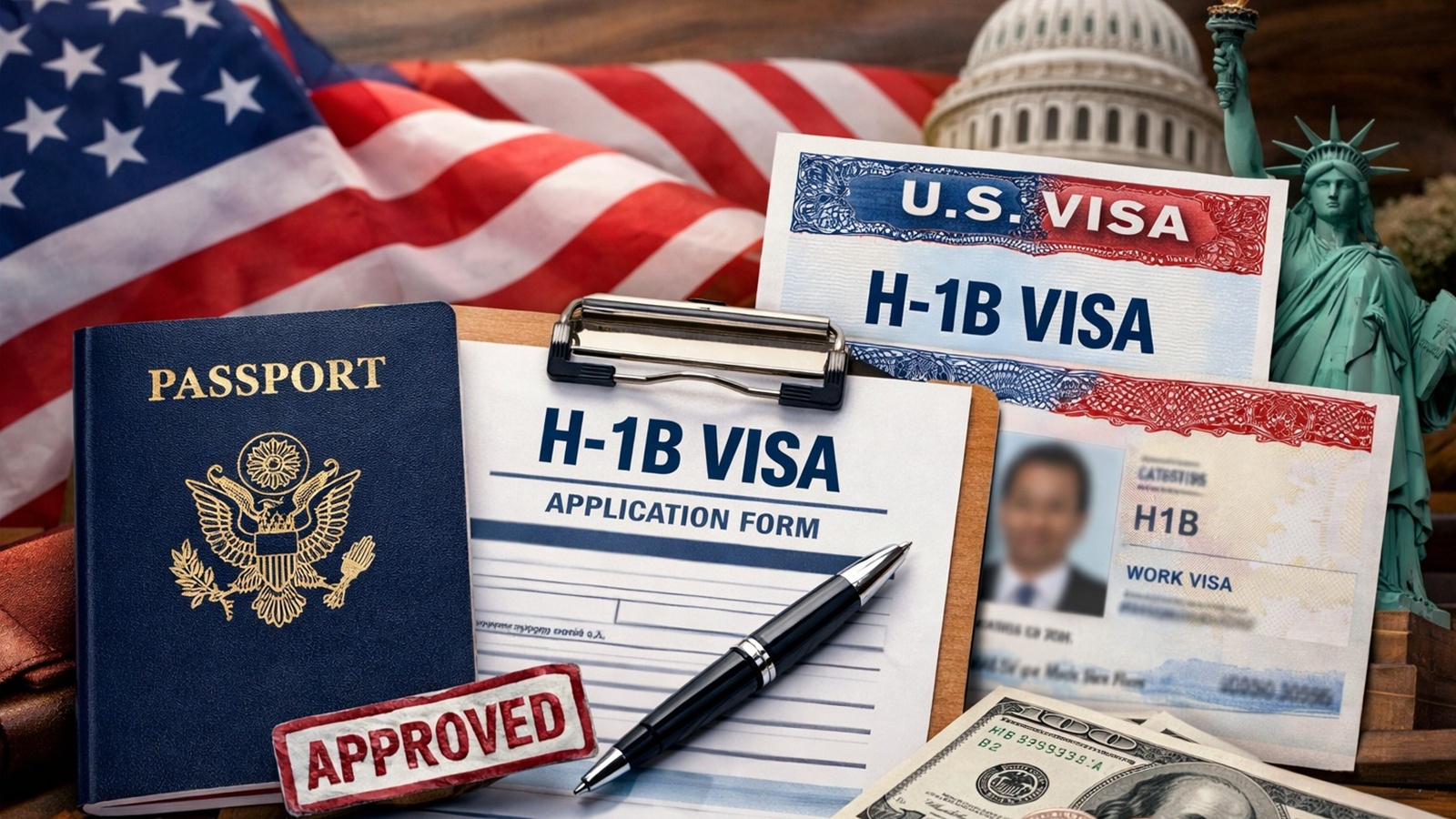
A United States federal appeals court has rejected the Trump administration's attempt to impose a $100,000 fee on new H-1B visas, dealing a setback to policies aimed at limiting skilled foreign workers. The ruling, issued by the 1st US Circuit Court of Appeals in Boston, upholds a lower court decision that the fee was an unlawful tax not authorised by Congress.
The Trump administration had introduced the steep fee in 2020 as part of a broader effort to discourage companies from hiring foreign workers on H-1B visas, arguing that such hires took jobs from American citizens. However, a lawsuit filed by 20 Democratic-led states challenged the fee, leading to a June 8 ruling by US District Judge Leo Sorokin that the executive branch overstepped its authority and violated the Administrative Procedure Act.
In its ruling, the appeals court declined to put the lower court's decision on hold, effectively blocking the fee from being implemented. The court found that the fee was not a legitimate visa processing charge but rather a tax on employers, which only Congress has the power to impose.
For Indian professionals, who constitute a significant majority of H-1B visa recipients, the decision offers temporary relief. The H-1B visa is a key pathway for skilled workers in fields such as information technology, engineering, and medicine. The proposed $100,000 fee would have made it significantly more expensive for companies to sponsor such visas, potentially reducing opportunities for Indian applicants.
The ruling does not permanently eliminate the possibility of similar fees in the future, as Congress could pass legislation authorising such charges. However, for now, the fee remains invalid. Legal experts say the case underscores the limits of executive authority in immigration policy and the importance of judicial oversight.
India's Ministry of External Affairs has not officially commented on the ruling, but the decision is likely to be welcomed by Indian IT firms and professionals who rely heavily on the H-1B visa programme. The United States is a major destination for Indian talent, and any policy changes that restrict visa access have significant economic and social implications.
The case also highlights the ongoing debate over immigration policy in the US, balancing the needs of the domestic workforce with the global demand for specialised skills. While the Trump administration's specific fee has been struck down, future administrations may pursue alternative measures to regulate skilled immigration.
In summary, the court's decision is a victory for advocates of skilled immigration and for Indian professionals seeking to work in the United States. However, the broader political and legal landscape remains complex, and stakeholders should stay informed of further developments.