US and Iran Trade Strikes as Conflict Escalates in Middle East
The United States military announced new strikes against Iran on Tuesday, marking the 10th consecutive night of attacks as part of ongoing operations to degrade Iran's ability to target ships in the Strait of Hormuz.
The strikes follow a statement by US President Donald Trump vowing to punish Iran for the deaths of three US soldiers—two in Jordan and one in Iraq. Trump said Iran would pay 'many times over' and that Iran had been hit 'very hard' in previous strikes conducted 'in honour' of the fallen soldiers.
In response, Iranian officials said they had targeted sites in Bahrain, Jordan, and Syria. President Masoud Pezeshkian stated that Iran is now engaged in a 'full-scale war' with the United States. However, Tehran indicated that diplomatic messages continue to be exchanged through intermediaries, despite a collapse of a ceasefire.
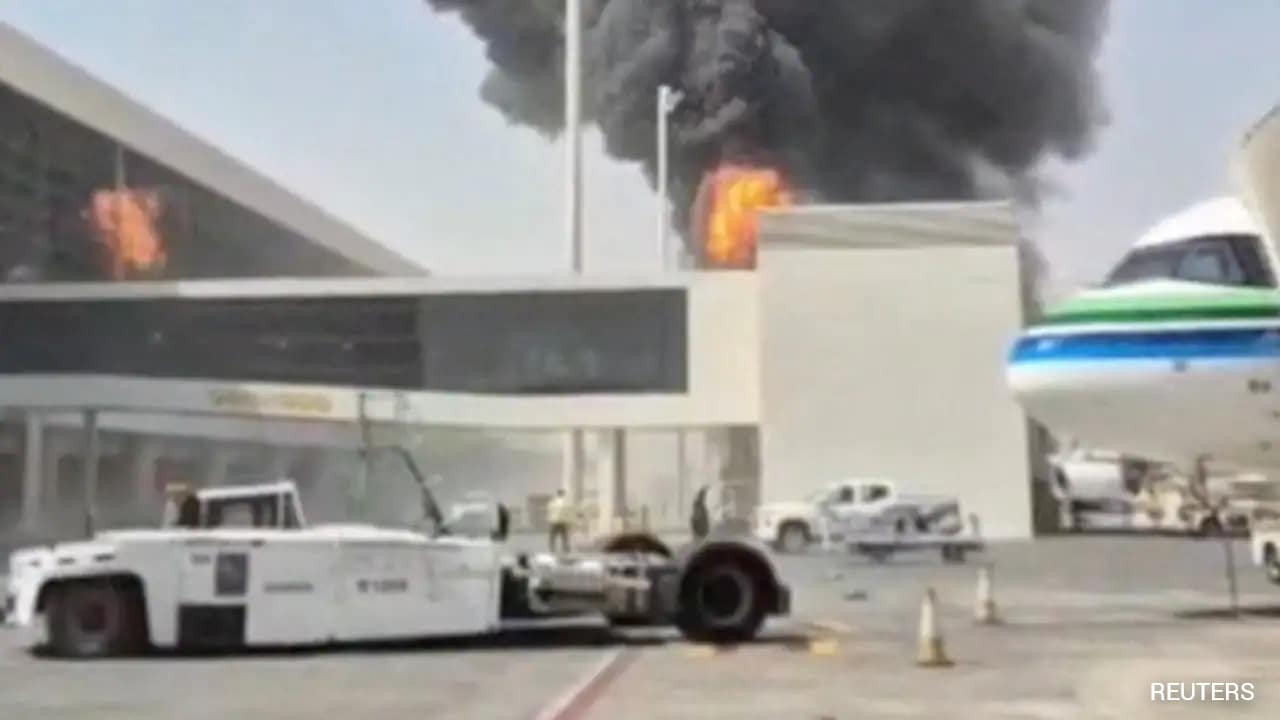
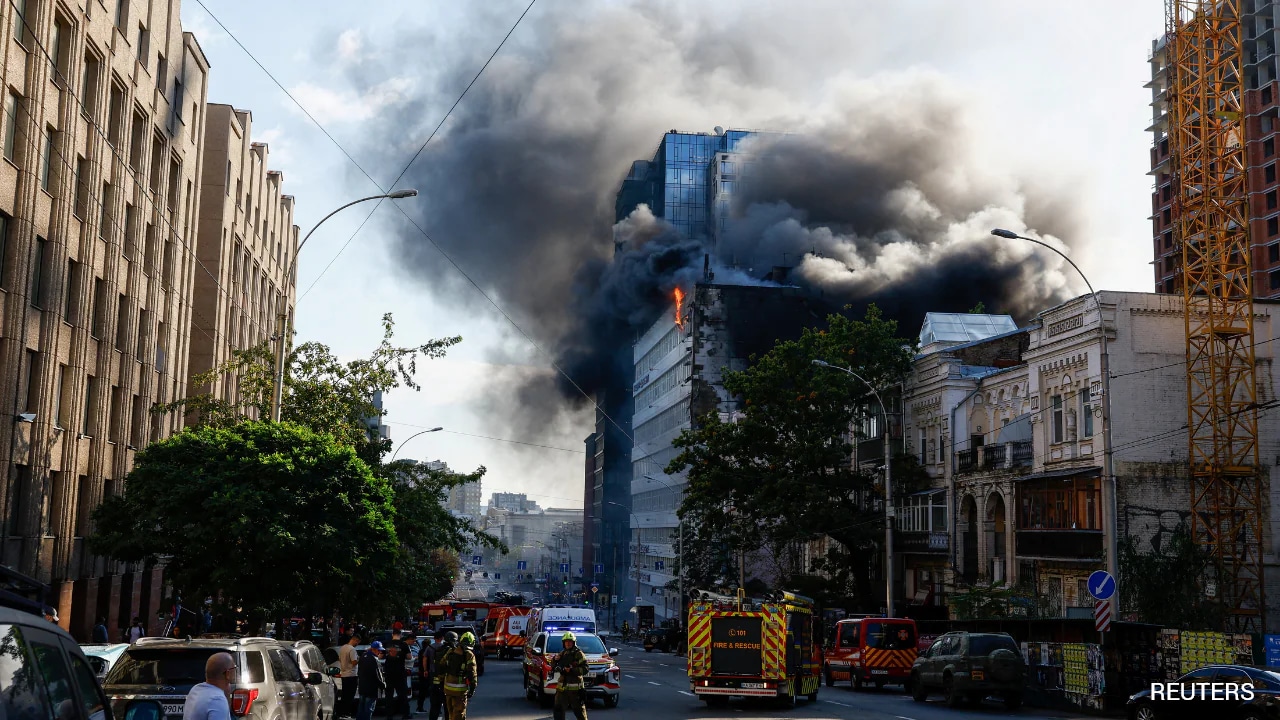
Other regional countries reported military activities. Jordan's military said it shot down three Iranian missiles, Kuwait's armed forces reported intercepting Iranian drones, and Bahrain stated that drones launched by Iran targeted its air navigation systems, though air traffic remained unaffected.
Regarding the US strikes, Iran's semi-official Tasnim news agency reported that several cities were hit, including Tabriz, Chabahar, Konarak, Bandar Mahshahr, and Bandar Imam Khomeini. Iranian state media also reported that two oil tankers exploded while attempting to cross the Strait of Hormuz. Iran's Islamic Revolutionary Guard Corps (IRGC) said the tankers were using an 'unsafe and hazardous southern route' and exploded. The US Central Command (Centcom) disputed these claims.
The escalation comes amid heightened tensions in the region, with the US and Iran exchanging threats and military actions over several months. The Strait of Hormuz, a critical chokepoint for global oil shipments, remains a flashpoint.