UPSC EWS Quota Beneficiaries Include Candidates from Diverse Backgrounds
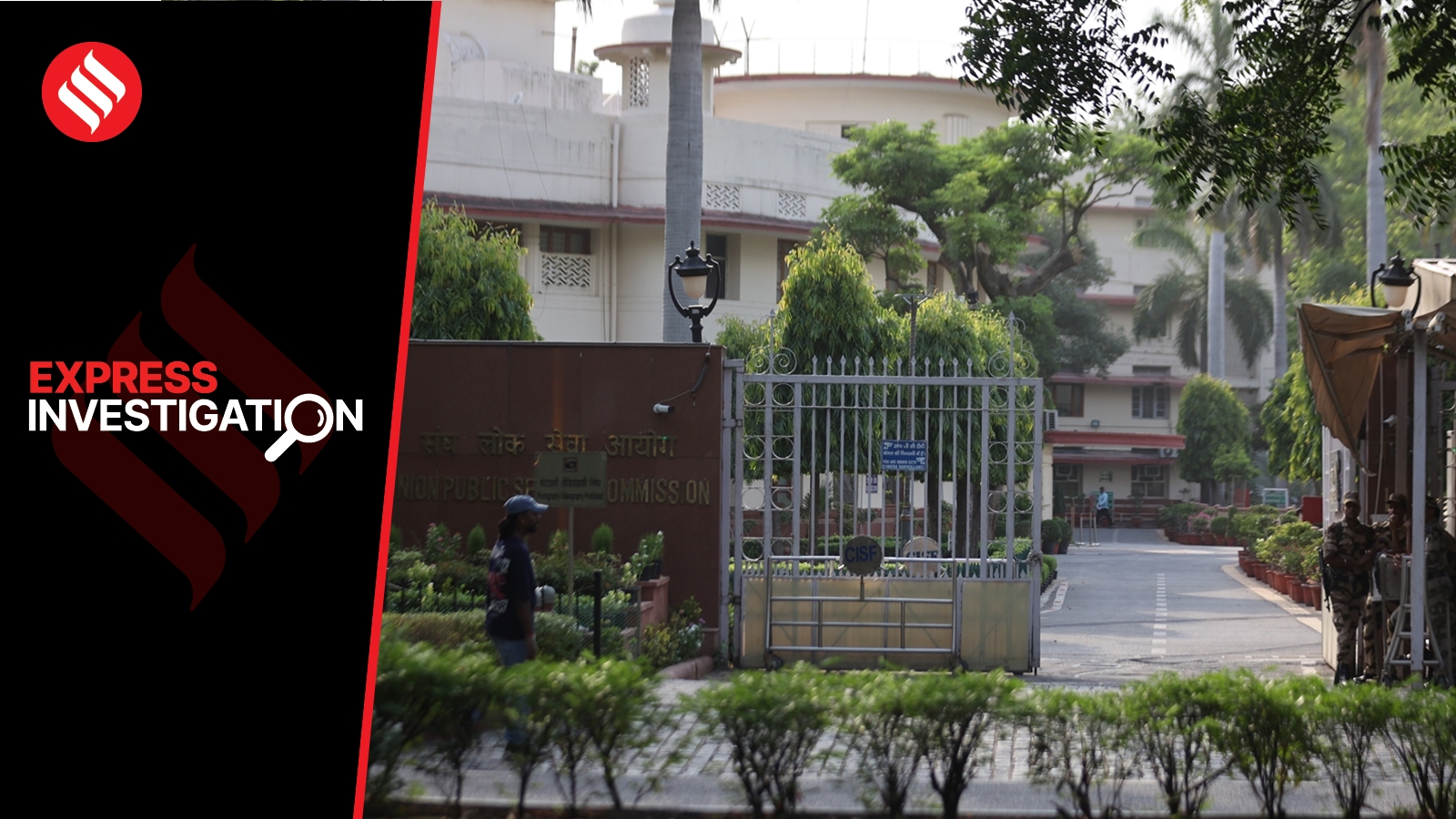
The Union Public Service Commission (UPSC) Civil Services Examination 2025 selected 104 candidates under the Economically Weaker Section (EWS) quota, which reserves 10% of seats for general category families with an annual income below Rs 8 lakh. An investigation by The Indian Express has found that while some candidates come from modest backgrounds, others have resources such as private schooling, costly coaching, family businesses, or corporate jobs.
The EWS quota, introduced in 2019, aims to provide opportunities for economically disadvantaged sections. However, the profile of successful candidates has raised discussions about the scheme's implementation. The investigation examined social media, coaching institute records, and educational backgrounds of all 104 EWS candidates selected in 2025.
Among the findings: at least 67 candidates attended well-known coaching institutes like Vajiram & Ravi, Vajirao & Reddy, and Drishti IAS, where fees can reach up to Rs 2.65 lakh annually. Overall, 84 candidates availed formal coaching, excluding government or university programs. Additionally, 46 candidates completed schooling at private schools with fees ranging from Rs 45,000 to Rs 1.5 lakh per year.
Regarding family background, at least 28 candidates' parents owned businesses, including shops, trading, steel fabrication, cloth, and confectionery. At least 10 candidates were employed in the private sector, including multinational companies, with substantial salaries before beginning UPSC preparation. Furthermore, 14 candidates were graduates or postgraduates from IITs, 3 from NITs, and 27 from Delhi University.
Conversely, the list includes candidates who fit the scheme's original purpose: the son of a security guard, the daughter of a railway porter, and the son of a bus conductor. These successes highlight the quota's potential to uplift the truly disadvantaged.
The findings have prompted debate within sections of UPSC about the need to tighten eligibility rules or enhance due diligence. The EWS criteria include income below Rs 8 lakh and asset ownership conditions, but the investigation suggests that some candidates may have enjoyed advantages not typically associated with economic weakness. The Indian Express did not publish names to protect identities.
This analysis does not suggest any violation of rules, but it underscores the complexity of implementing affirmative action in a diverse society. Policymakers may need to review the criteria to ensure the quota benefits its intended beneficiaries.


