Trump Describes Iran Memorandum as Non-Binding, Mentions Possibility of Resumed Military Action
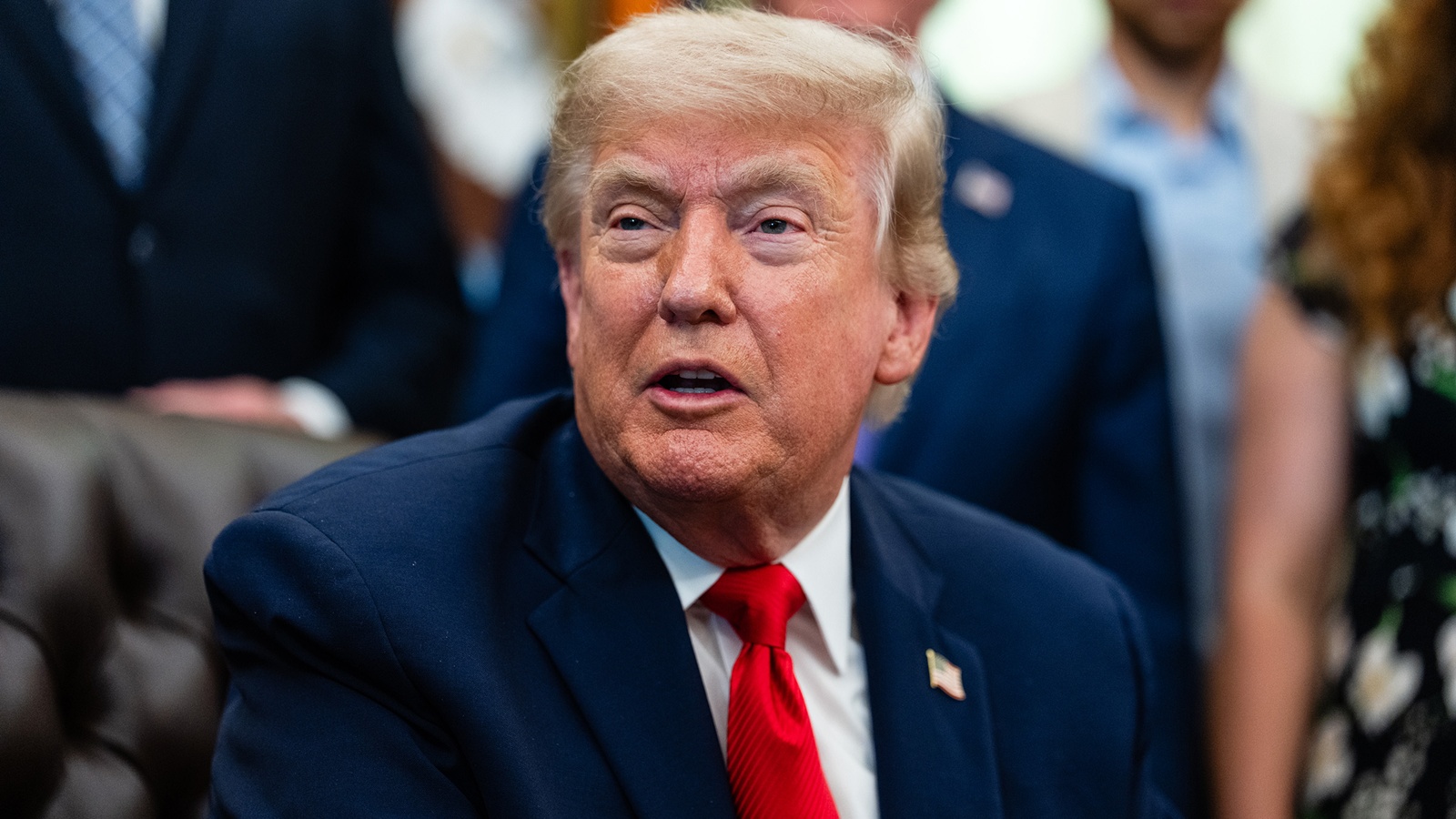
EVIAN-LES-BAINS, France — Speaking on the sidelines of the G7 summit on Wednesday, U.S. President Donald Trump stated that a recently signed memorandum of understanding with Iran remains non-binding and could be abandoned if its terms are not met. He indicated a willingness to resume military operations should he deem the understanding unsatisfactory.
“It’s a memorandum of understanding. And if I don’t like it, we’ll go back to shooting at them, dropping bombs on their head. If I don’t like it, if they don’t behave, we’ll go right back to dropping bombs right smack in the middle of their head, OK?” Mr. Trump told reporters in Evian-les-Bains, France, where leaders of the Group of Seven industrialised nations are meeting.
The president’s remarks came during a day of intense diplomatic activity at the summit, where he also held a bilateral meeting with Egyptian President Abdel Fattah al-Sisi. The memorandum, details of which were not immediately disclosed, is understood to be part of ongoing efforts to address Iran’s nuclear programme and broader regional tensions.
Mr. Trump clarified that the current understanding does not include immediate sanctions relief for Tehran. “There’s no immediate sanctions relief… I’ll talk about that later,” he said, without elaborating on the timeline or conditions for such relief.
The memorandum represents a preliminary step in what officials describe as a calibrated approach to de-escalation. However, the conditional language used by the president underscores the fragile nature of the agreement. Administration sources, speaking on condition of anonymity, indicated that the memorandum outlines a framework for technical discussions but does not constitute a formal treaty subject to congressional approval.
International observers have noted the unusual bluntness of the president’s public stance. Typically, such memoranda serve as confidence-building measures, with the expectation that both sides will work in good faith toward a comprehensive deal. Mr. Trump’s comments appeared to set a low threshold for walking away from the process.
The G7 summit, which this year focuses on global security, trade, and climate change, has been marked by robust discussions on foreign policy. Leaders from Canada, France, Germany, Italy, Japan, the United Kingdom, and the United States are expected to issue a joint statement on Iran later today. Whether the memorandum will be referenced remains unclear.
Tehran has not yet officially responded to Mr. Trump’s remarks. In previous statements, Iranian officials have expressed willingness to engage diplomatically while insisting on full sanctions removal as a precondition for any lasting agreement.
White House Press Secretary later clarified that the president’s comments reflect his commitment to ensuring any deal serves U.S. interests and regional stability. “The president was making clear that this is not a final agreement, and that American security remains paramount. Diplomatic channels remain open,” she said during a briefing.
The situation remains fluid, with further announcements expected as the summit progresses.