Trump announces 200% tariff on Indian generics, two-year grace period offers relief
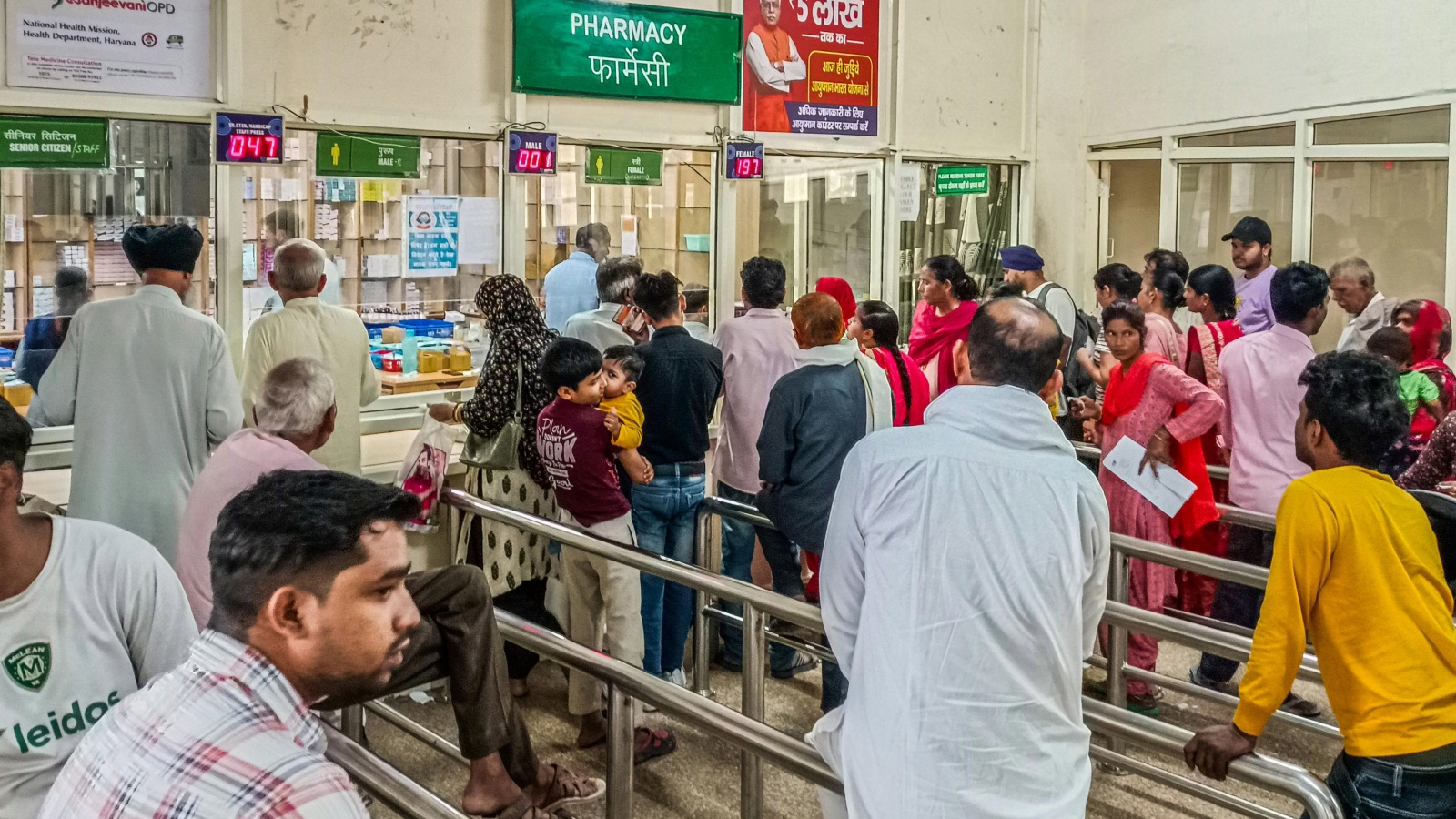
US President Donald Trump has announced a plan to gradually increase tariffs on generic drugs imported from India, reaching 200% over three years, but with a two-year period of zero tariffs starting August 1, 2026. The announcement, made on Trump's Truth Social platform early Wednesday, has sparked debate about the future of Indian pharmaceutical exports to the United States, the largest foreign market for Indian generics.
Trump stated, 'Effective August 1st, 2026, all Generic Drugs being brought into the United States will continue to have a TARIFF of ZERO PERCENT for a two year period of time, after which the TARIFF will be raised to 100% for a one year period of time, and 200% thereafter.' He added that the move aims to 'RESHORE Generic Pharmaceutical Production into America, with a penalty to those Companies that decide not to build Plant and Equipment within the stated period of time given to them.'
Industry experts, however, have downplayed the immediate threat. Udaya Bhaskar, former Director General of the Pharmaceutical Export Promotion Council of India (Pharmexcil), noted that Trump's previous attempts to boost domestic manufacturing during the COVID-19 pandemic did not materialise. 'It is not easy for a US company to set up generic manufacturing, and even if they do, it is likely to cost at least 30% more than Indian generics,' Bhaskar said. He also highlighted that US companies would struggle to match the volumes produced by Indian firms.
Bhaskar further pointed out that Trump is known for policy reversals, stating, 'The president has said no tariffs for next two years. After that, he will no longer be the president, so the industry will have to wait and watch.' He advised Indian companies to play to their strengths—supplying quality generics at scale and reasonable costs.
The Indian pharmaceutical industry has already begun diversifying away from the US market. Trade data for 2025-26 shows a 7.9% decline in exports to the NAFTA region, largely driven by a shift from the US, according to sources. The United States accounts for 34.5% of India's total pharmaceutical exports, valued at USD 10.5 billion in FY2025. The next largest buyer, the United Kingdom, accounts for just 3% of exports (USD 913.9 million).
Currently, the US imposes zero tariffs on Indian pharmaceutical products, while India levies about 10% on US pharma imports. Any tariff hike would directly impact US consumers, as Indian companies supply 47% of all generic medicines prescribed in the US. More than half of prescriptions for five major therapy areas—hypertension, mental health, lipid control, nervous system disorders, and anti-ulcer drugs—are filled by Indian generics. In 2022, Indian medicines saved the US healthcare system USD 219 billion, according to IQVIA data.
An example of the benefit of Indian generics is the cholesterol-lowering drug Rosuvastatin; after an Indian generic entered the US market, the number of Americans able to afford the drug doubled between 2016 and 2022, as noted by the Observer Research Foundation.
While the tariff plan poses a long-term risk, the two-year grace period provides breathing space for the Indian industry to adapt and explore alternative markets. The industry's resilience and cost advantage remain strong buffers against near-term disruptions.