TMC Split: Legal Questions Over Two-Thirds Merger Rule Under Tenth Schedule
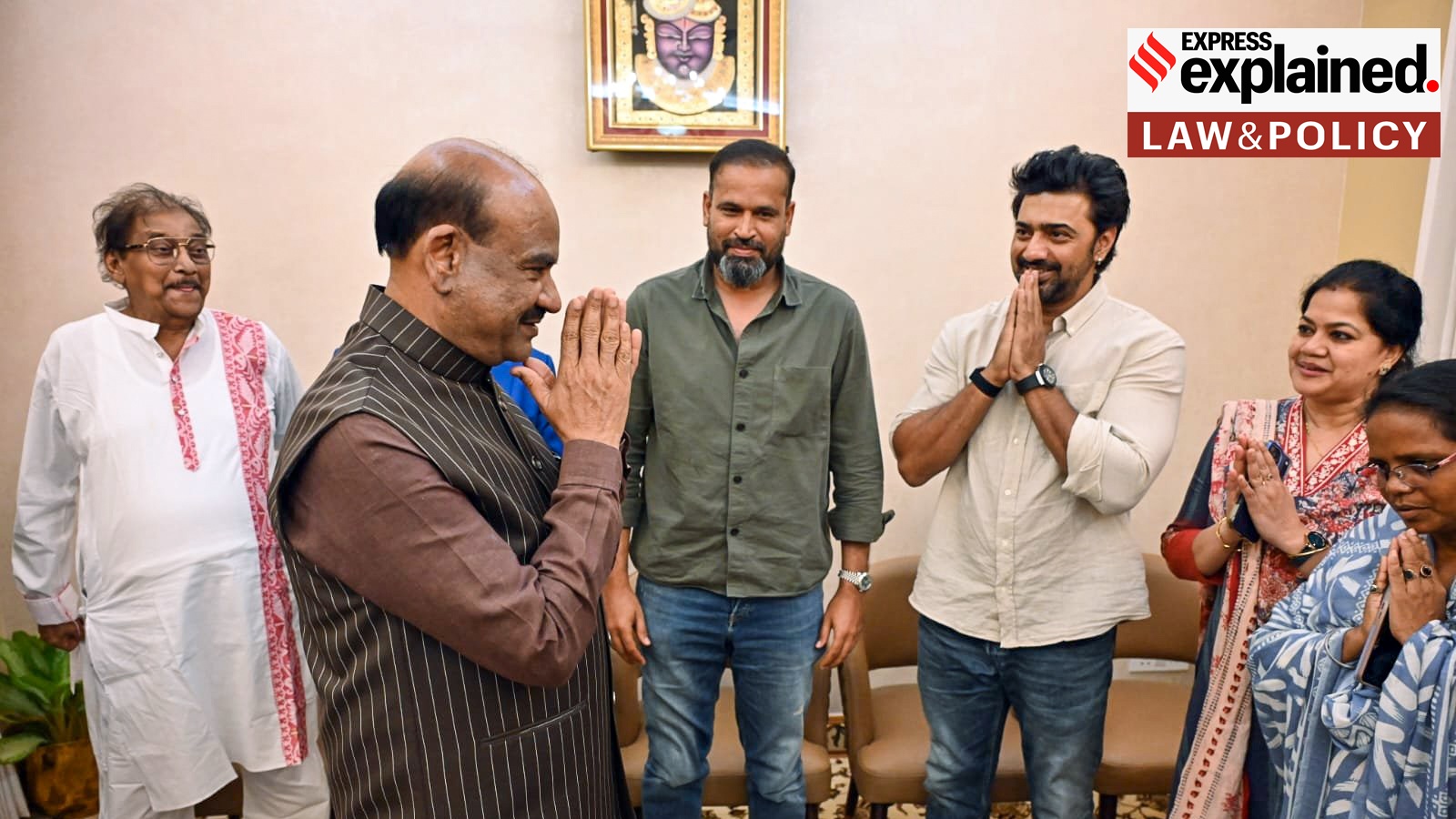
Amid the ongoing tussle within the Trinamool Congress (TMC), 20 rebel MPs met Lok Sabha Speaker Om Birla on June 14, claiming they had merged with the Nationalist Citizens Party of India (NCPI), a small Tripura-based party that polled only 822 votes in the 2023 Assembly election. The MPs, led by Kakoli Ghosh Dastidar and Sudip Bandhopadhyay, requested to be seated separately from the TMC benches. They argue that they represent more than two-thirds of the TMC’s Lok Sabha strength, the threshold required under the Tenth Schedule of the Constitution to be exempt from anti-defection laws.
The Tenth Schedule, added in 1985, was designed to prevent defections by disqualifying MPs who voluntarily give up party membership or vote against the party whip. However, Paragraph 4 provides an exception for mergers. Sub-paragraph (1) states that members of an original political party can merge with another party and retain their membership. Sub-paragraph (2) specifies that this applies “if and only if” not less than two-thirds of the members of the legislative party have agreed to the merger. The term “original political party” refers to the party that set up the candidate and is registered with the Election Commission, while “legislative party” refers to its members in a particular House.
The rebel MPs interpret Paragraph 4 as a single test: crossing the two-thirds limit automatically establishes a merger. However, TMC’s national general secretary Abhishek Banerjee, in a letter to the Speaker, argued that two conditions must be met: an actual merger of the original political party (TMC) and two-thirds support within the legislature. He stated that satisfying only the latter accomplishes nothing. He added that the party whip and leader are appointed by the party organisation, not by whichever faction holds the numbers in the House, and that no breakaway group can appoint a rival whip without attracting disqualification.
This dispute highlights a long-standing ambiguity in the Tenth Schedule. In the 2023 Supreme Court verdict in Rajeev Chandrasekhar vs. Lok Sabha Secretariat, the court noted that a merger requires both a decision by the original political party and acceptance by the other party. However, earlier cases like Ravi S. Naik vs. Union of India (1994) suggested that a two-thirds majority could indicate a merger. Parliament’s intent behind the 91st Amendment (2003) was to tighten the merger exception by removing the “split” provision (which required one-third support) and raising the threshold to two-thirds, to curb bulk defections.
The Speaker will now hear both factions before deciding. The outcome could set a precedent for how the Tenth Schedule is applied in future cases involving merger claims. The core question remains: does a merger under Paragraph 4 require proof of an actual merger of the political party, or is the support of two-thirds of legislators sufficient? The Tenth Schedule itself does not provide a clear answer, leaving room for interpretation by the Speaker and the courts.
This case underscores the need for clarity in anti-defection law. While the two-thirds rule aims to prevent frivolous splits, it also opens the door to disputes like the present one. The Speaker’s decision will be closely watched, as it could influence political stability and party discipline across legislatures in India.


