Cauvery water dispute: Karnataka CM calls Mekedatu project 'permanent solution'
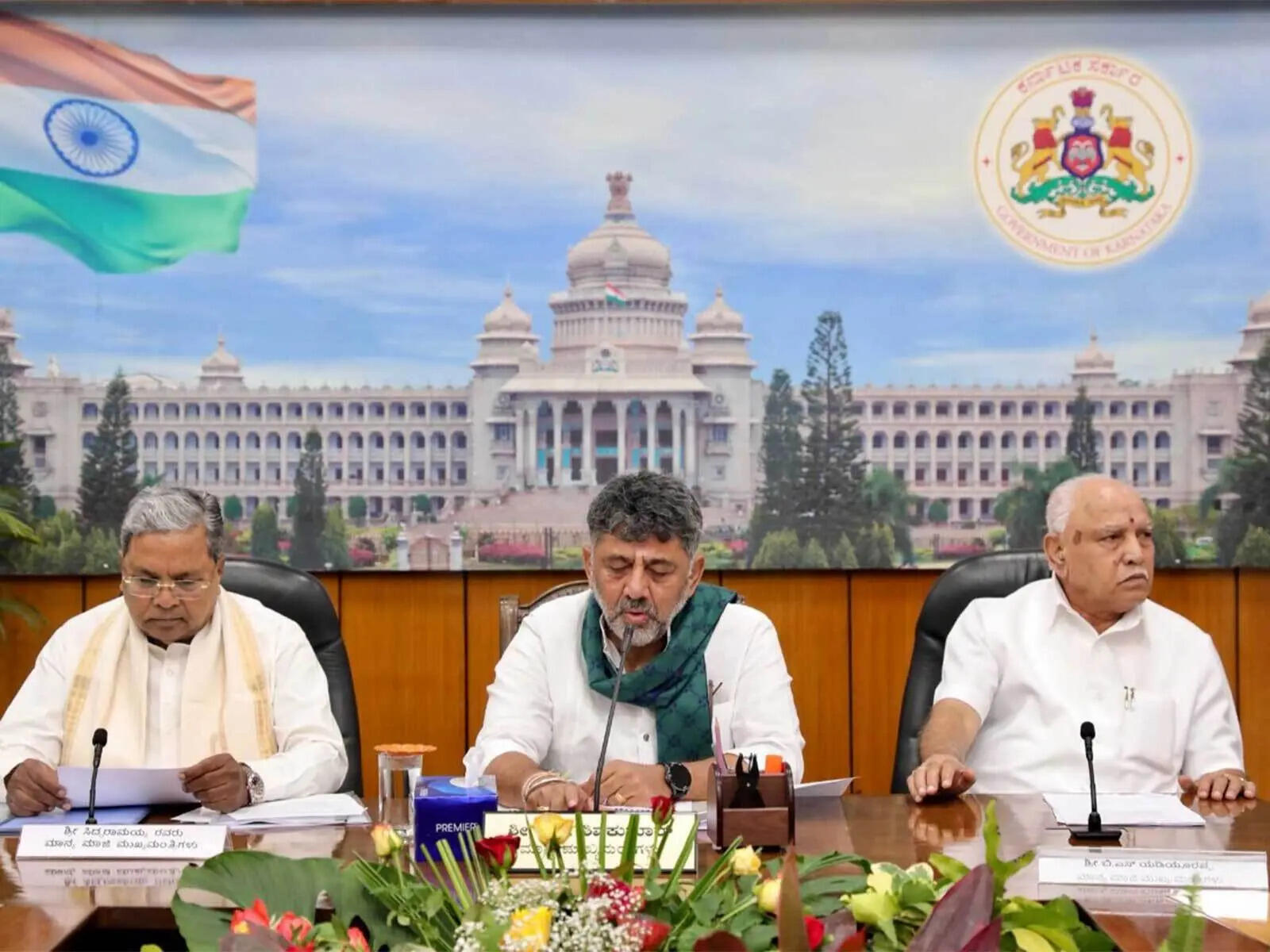
Bengaluru, March 18: Karnataka Chief Minister D.K. Shivakumar on Tuesday described the proposed Mekedatu reservoir project as a "permanent solution" to the long-standing Cauvery water dispute with Tamil Nadu. His remarks come amid renewed friction between the two southern states over the sharing of river water.
Speaking to reporters, Shivakumar said the project, which aims to store and supply drinking water to Bengaluru and neighbouring areas, would also ensure regulated release of water downstream to Tamil Nadu. "Mekedatu is not just for Karnataka; it is a permanent and scientific solution to the Cauvery issue. It will prevent wastage of flood water and provide assured supply to all riparian states," he said.
The project, once completed, would involve construction of a dam and a reservoir at Mekedatu, located in Ramanagara district near the confluence of the Cauvery and Arkavathi rivers. It has been a point of contention between Karnataka and Tamil Nadu for years, with the latter fearing reduced flows into its delta regions and opposing the unilateral development.
Tamil Nadu has consistently maintained that the project is a violation of the Supreme Court's final award in the Cauvery water dispute, which allocated a specific share of water to each state. Legal experts note that the project requires clearance from the Cauvery Water Management Authority (CWMA) and other regulatory bodies before construction can proceed.
Shivakumar, however, asserted that Karnataka's rights were clear. "We have the right to use water within our borders as long as we comply with the tribunal's award. The project will only store excess water that would otherwise flow into the sea," he said.
The Cauvery dispute dates back to colonial times and has been a recurring source of tension. The Supreme Court in 2018 increased Karnataka's share of water by 14.75 TMC, while reducing Tamil Nadu's share, and also directed both states to set up mechanisms for implementation. The CWMA was subsequently constituted to oversee the release of water on a monthly basis.
Political reactions have been swift. Leaders in Tamil Nadu have urged the central government to reject Karnataka's proposal, arguing that it would act as a hurdle to the implementation of the final award. Some farmer groups in Tamil Nadu have warned of protests if construction begins without their state's consent.
Meanwhile, political observers point out that the timing of Shivakumar's statement may also be linked to the upcoming elections in Karnataka, where the state government is keen to show its commitment to water security. The Congress government in the state has repeatedly assured farmers and residents of Bengaluru that the project is a priority.
Environmental groups have also raised concerns about the impact on forests and wildlife in the region. The area around Mekedatu is home to several endangered species, and any large-scale construction could have ecological consequences, they say. The project still needs environmental and forest clearances from the Union government.
Despite the controversy, the Karnataka government has started preliminary works, including land acquisition and survey. Officials say they are confident of getting the requisite approvals. "We are proceeding with the project as per law. The developer is ready, and funding has been arranged," said a senior official requesting anonymity.
The Cauvery issue remains a sensitive topic that can inflame regional passions. For now, both states are waiting for the central government and the courts to clarify the path forward. The next meeting of the CWMA is scheduled for later this month, where irrigation officials from both states are expected to discuss the operation of reservoirs and the future of the project.
As the debate intensifies, the core question remains: can a permanent solution be achieved without consensus among the states? Shivakumar's statement reflects Karnataka's firm stance, but the answer will ultimately depend on legal and political processes that are yet to play out.


