Three BJ Medical College PG Students Suspended for Ragging Juniors
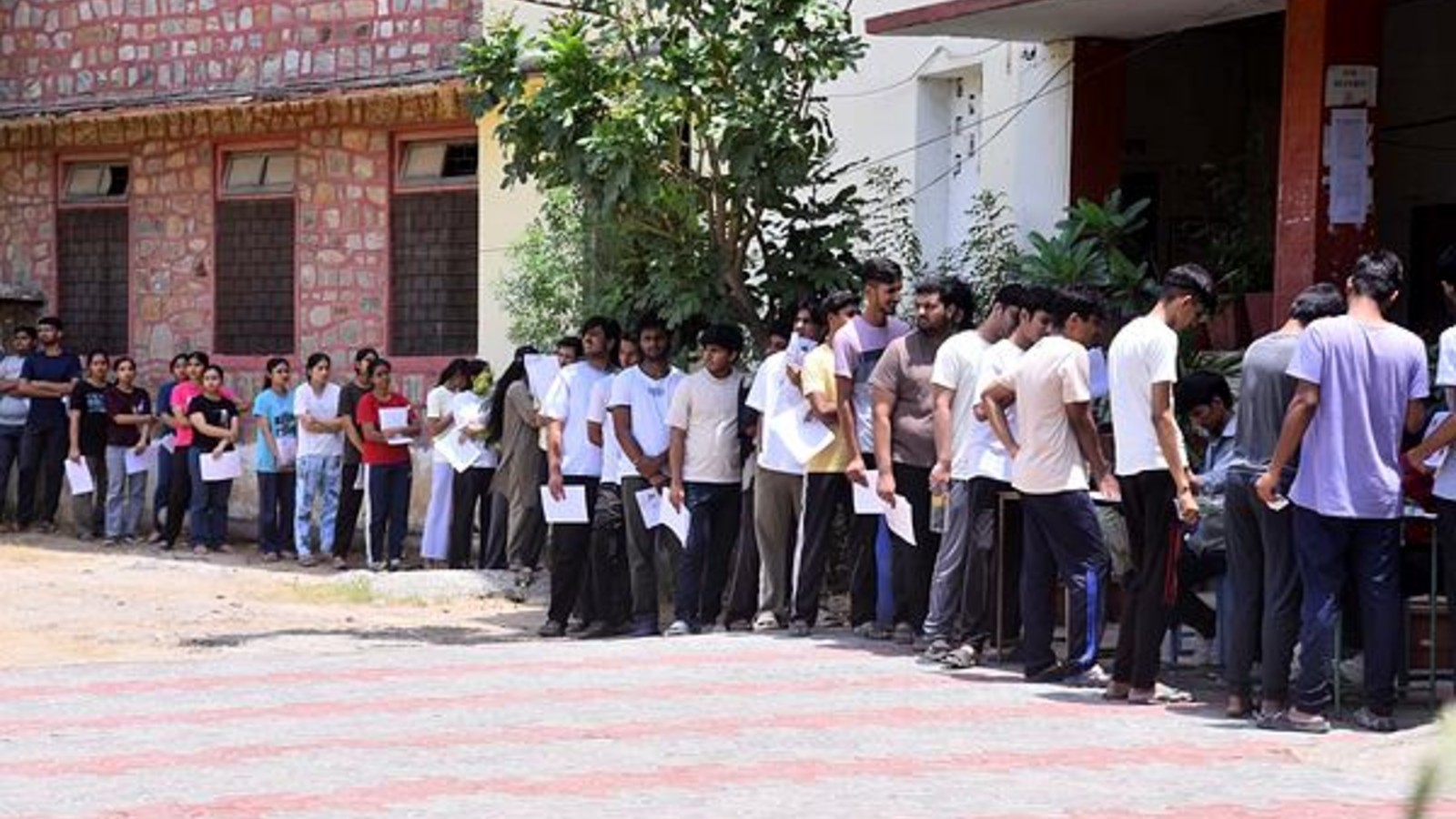
In a disciplinary move reflecting the zero-tolerance policy against ragging, the Gujarat Health Department has suspended three second-year postgraduate students from the orthopaedic department of BJ Medical College in Ahmedabad. The suspension, confirmed on Wednesday, follows an anonymous complaint and an inquiry by the college’s anti-ragging committee. One student has been suspended for one year, while the other two face six-month suspensions each.
The order, issued by the Health Department and addressed to the Director of Postgraduate Medical Education and Research at BJ Medical College, ratifies the committee’s recommendations. It states that the punishment was confirmed based on the report submitted in response to the ragging of first-year resident students. The identities of the students have been withheld to maintain confidentiality as per established norms.
Ragging, as defined by the University Grants Commission (UGC) regulations of 2009, encompasses any conduct that causes or is likely to cause physical or psychological harm, apprehension, shame, or embarrassment to a student. This includes verbal abuse, forced tasks, sexual harassment, and any act that violates a student’s dignity. The regulations, formulated under the directions of the Supreme Court, make ragging a criminal offence and mandate strict institutional action, including suspension, expulsion, and lodging of first information reports (FIRs).
Every higher education institution in India is required to have an anti-ragging committee, an anti-ragging squad, and a mentoring cell to ensure prompt action. The Supreme Court, in its landmark 2009 judgement in the Vishwa Jagriti Mission case, directed all states and institutions to implement these measures. Failure to prevent ragging can result in withdrawal of affiliation and other penalties against the institution.
Specifically for medical colleges, the National Medical Commission (NMC) enforces similar stringent anti-ragging norms. Medical institutions must display anti-ragging posters, conduct orientation programmes, and obtain written undertakings from students and parents. Hostels, canteens, and other common areas are to be monitored regularly to prevent ragging activities. Any violation must be reported to local police and the university within 24 hours.
BJ Medical College, a premier government medical institution in Gujarat, has maintained a strong anti-ragging framework. According to officials, the recent complaint was lodged anonymously, but the anti-ragging committee carried out a thorough investigation, leading to the identification of the three individuals. The disciplined action serves as a reaffirmation of the institute’s commitment to a safe and respectful academic environment.
The suspensions will bar the students from all academic and clinical duties for the stipulated periods. For the student with a one-year suspension, this will significantly disrupt the postgraduate training timeline, possibly delaying the completion of residency requirements. The other two students will also face setbacks in their programme. The order does not specify additional penalties such as hostel eviction or monetary fines.
Medical education is notoriously stressful, and the postgraduate residency period is particularly demanding. Mental health experts note that ragging exacerbates stress and can have lasting psychological impacts on victims. Helplines such as the UGC’s 24x7 toll-free anti-ragging helpline (1800-180-5522) provide a confidential avenue for reporting such incidents, encouraging students to come forward without fear of reprisal.
According to the UGC’s annual reports, the number of ragging complaints has seen a downward trend in recent years, yet medical colleges continue to report a significant share of incidents. The dedicated anti-ragging portal and the 24x7 helpline have enabled faster redressal, but underreporting remains a concern due to fear of stigma. This case highlights the importance of anonymous complaint mechanisms, which can empower students to speak up without direct confrontation.
The college administration has not issued any public statement beyond the official order, but insiders suggest that the institution has reiterated its zero-tolerance stance and will continue with awareness campaigns and strict enforcement. First-year residents have been assured of support and a secure atmosphere.
Despite robust legal provisions and heightened awareness, ragging remains a challenge in professional colleges, sometimes manifesting in subtle or psychological forms that evade easy detection. This incident underscores the need for constant vigilance and a cultural shift towards mutual respect within student communities.
The suspended students retain the right to appeal against the order as per the institutional grievance redressal mechanism. It is unclear at this stage if they will pursue this option.