Third Mumbai Land Acquisition: 160 Farmers Give Consent, But Opposition Mounts
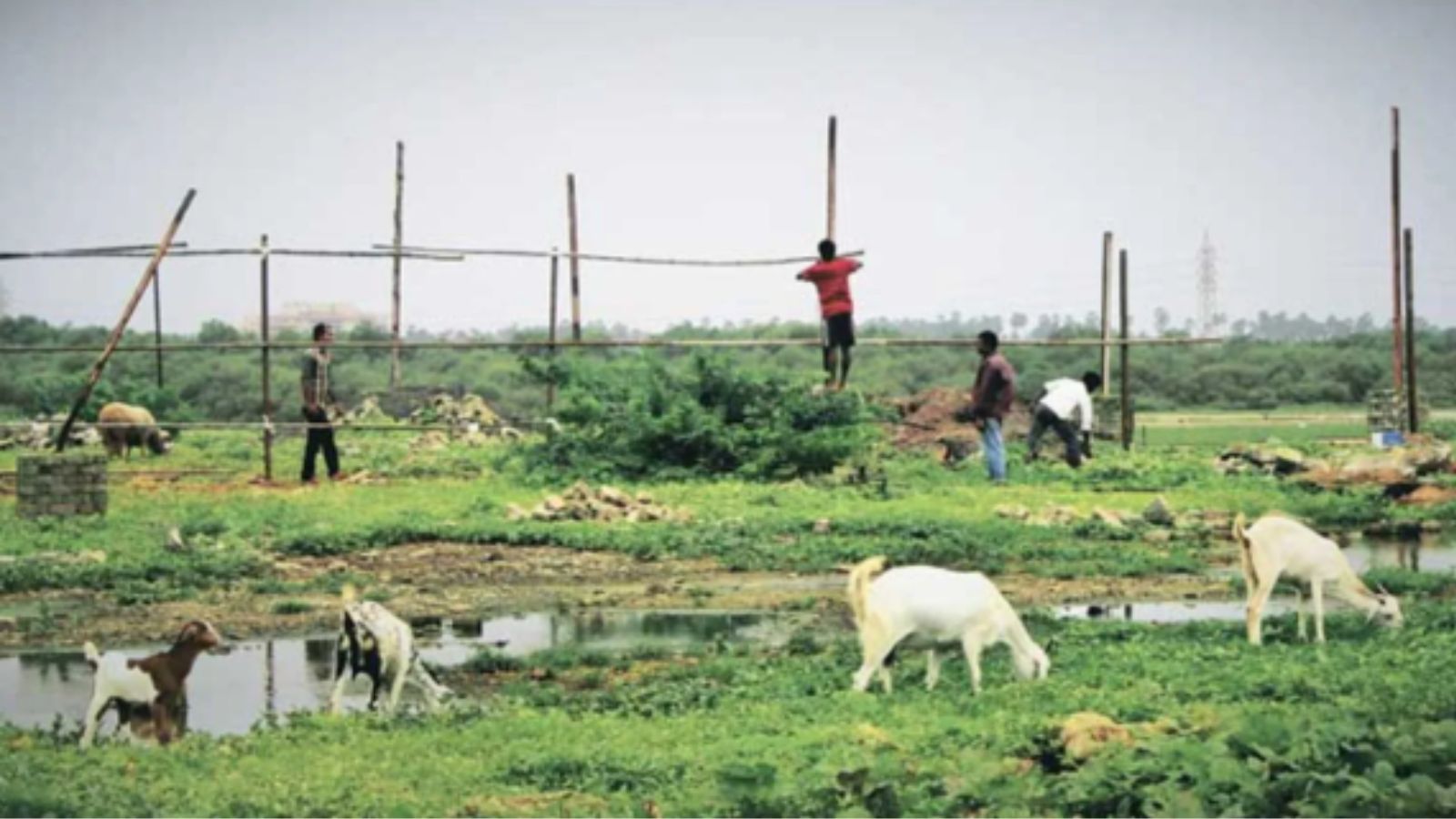
Nearly a month after the Mumbai Metropolitan Region Development Authority (MMRDA) initiated the land acquisition process for the ambitious Third Mumbai project, about 160 farmers have consented to surrender 118 hectares of land. According to officials, most of these farmers are small landholders, owning just a few gunthas each, and have opted for compensation in the form of 22.5% of their land in developed areas—a decision that reflects trust in a project whose benefits may take a decade to materialize.
The scale of the challenge, however, remains significant. The Third Mumbai project spans 323.44 square kilometres, of which 104 square kilometres is developable, with the rest accounting for mangroves, forests, and other non-developable areas. The 118 hectares currently consented represent just over 1% of the total area to be acquired. While consent is slowly trickling in, opposition to the project is also intensifying, particularly among the Koli-Agri community, which depends on the land for its livelihood.
Rupesh Patil, general secretary of the MMRDA KSC Navnagar Virodhi Samiti, stated, “The Koli-Agri community here depends on their land for sustenance. We will not give a single inch of it away.” The Samiti has held several meetings with local farmers and has the support of former Bombay High Court judge B.G. Kolse Patil. Patil highlighted that villagers have had negative experiences with past land acquisitions for projects by CIDCO and the Navi Mumbai International Airport (NMIA), with many still awaiting compensation. “Our lands are like our security and our birthright. There is greenery, nature, lush fields here, and the authorities plan to grab all of this,” he said.
Patil also recounted the farmers’ long history of land rights struggles—against the zamindari system before independence, against the proposed SEZ in 2006, and now the Third Mumbai project. For many families, farming provides a crucial safety net during unemployment. “Due to infrastructure projects, our land has become valuable. If we give our land away, we will lose all we have,” he added.
The area currently comprises farms across 124 villages in the Karnala Pen Chirner (KSC) belt in Raigad district, as well as warehouses that have emerged due to proximity to the JNPT port. Landowners have options for compensation: monetary payment, FSI (Floor Space Index), TDR (Transferable Development Rights), or 22.5% of their land in developed form. A policy for compensating warehouse owners is still being developed, officials said.
The online consent submission process began on May 27 via the MMRDA website. Officials will later shift to offline verification, scrutinizing documents, ensuring all recorded landowners are on board, and then issuing notices for acquisition. Officials have clarified that villages themselves will not be affected, but compulsory acquisition may be used in certain cases as needed.