Ex-IAS Officer Denied Bail in CGPSC Scam; High Court Says Paper Leak More Heinous Than Murder
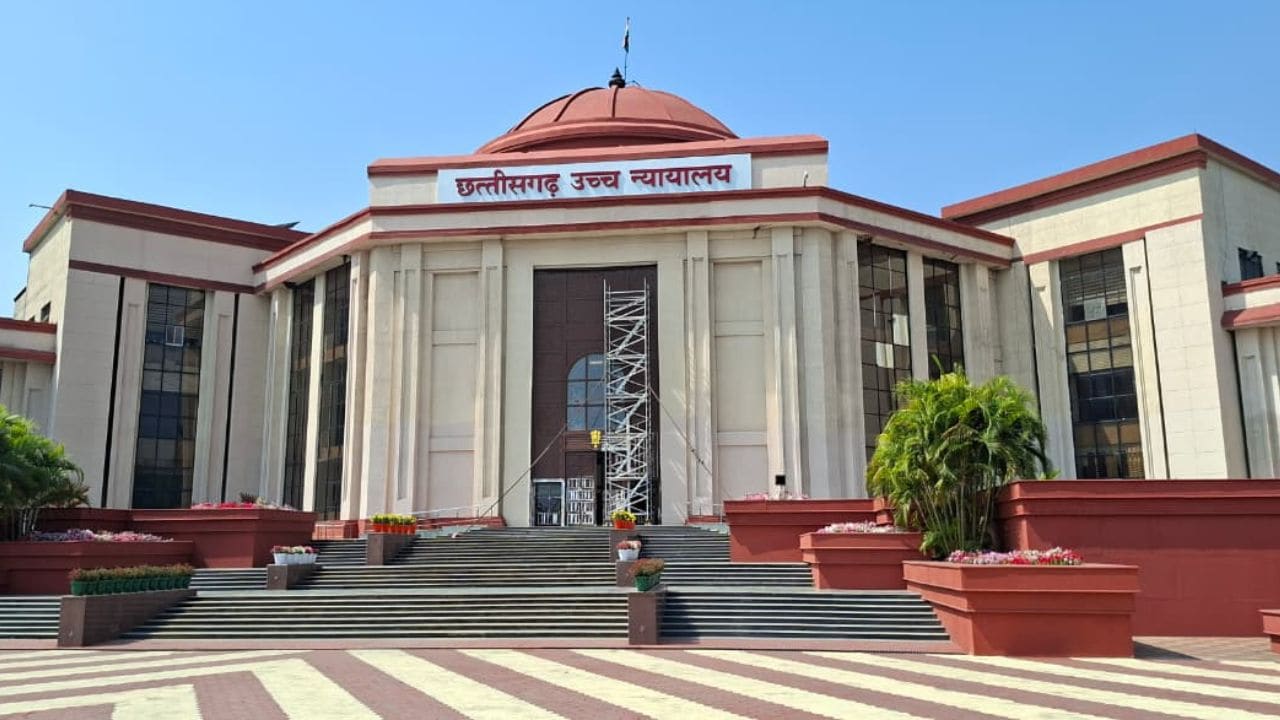
The Chhattisgarh High Court has rejected the bail application of a retired IAS officer arrested by the Central Bureau of Investigation (CBI) in connection with the Chhattisgarh Public Service Commission (CGPSC) recruitment scam. The court observed that leaking question papers of competitive examinations is a more serious offence than murder, as it adversely impacts the careers of lakhs of aspirants.
Justice Bibhu Datta Guru, while rejecting the bail plea of Jeevan Kishore Dhruv (62), noted that the actions of those involved in leaking question papers play with the future of young candidates who work hard to prepare for such exams. The order stated that such an act is more heinous than murder because murder affects one family, while ruining the careers of lakhs of aspirants harms the entire society.
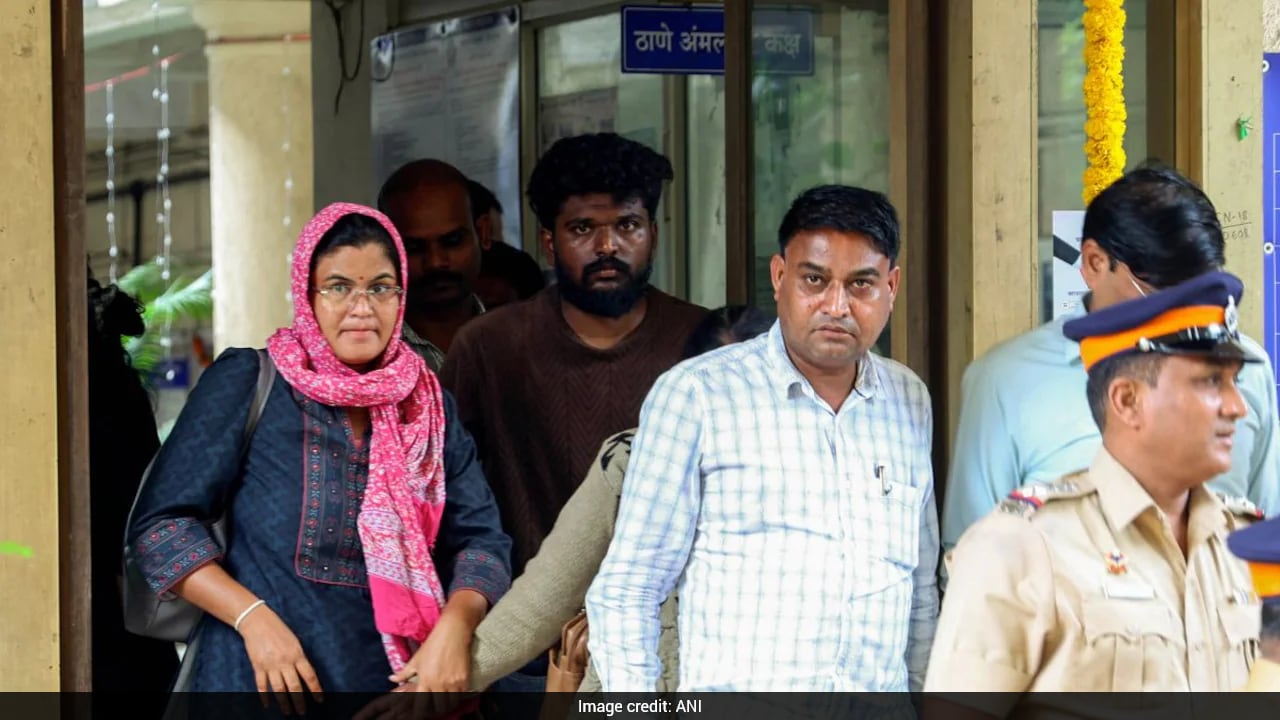
Dhruv, who served as Secretary of the CGPSC during the alleged irregularities in the 2020-2022 recruitment process, was arrested by the CBI in September 2025. His son, Sumit Dhruv, who was selected as a deputy collector in the recruitment examination under investigation, is also an accused in the case.
The court noted that prima facie the prosecution had gathered material indicating that Dhruv, while serving as CGPSC Secretary, misused his official position by retaining confidential question papers of the 2021 Main Examination and providing them to his son. It also pointed to evidence suggesting Sumit Dhruv had practised specific topics that later appeared in the examination. Recoveries from Dhruv's residence, witness statements, and documentary evidence pointed to his alleged involvement in the conspiracy.
The High Court observed that the charges against the accused cannot be treated as ordinary, considering the specific role attributed to Dhruv, the gravity of the allegations, and their impact on the integrity of the public recruitment process. The court was not persuaded to exercise its discretion in favour of granting bail.
Dhruv's counsel, Advocate Devershi Thakur, argued that his client was falsely implicated merely because he was the CGPSC Secretary and was not named in the original FIR. The defence submitted that no incriminating documents or electronic devices, except a mobile phone, were recovered from Dhruv, and there was no evidence showing that he leaked question papers or passed them to his children.
The lawyer further argued that after learning that both his sons were candidates in the examination, Dhruv had informed the competent CGPSC authorities and sought to be relieved of all confidential work related to the recruitment process. Official records showed he was assigned no confidential examination-related duties thereafter, the counsel said. The defence also contended that one of Dhruv's sons failed to qualify, while the other secured a rank well below the top position, which contradicts allegations of favouritism.
Opposing the bail plea, CBI counsel Vaibhav A Goverdhan argued that the case involved large-scale irregularities that compromised the integrity of the public recruitment process and undermined the confidence of thousands of candidates. The CBI submitted that Dhruv, along with the then CGPSC chairman, controller of examinations, and others, entered into a criminal conspiracy to leak confidential question papers of the 2021 Main Examination, enabling his son to gain an illegal advantage.
The CBI claimed that copies of questions and answers related to General Studies Paper VII and the Question-cum-Answer Booklet of the Essay paper were recovered during searches at Dhruv's residence. The court, after considering the arguments, dismissed the bail application, stating that the gravity of the allegations and their adverse impact on the sanctity of the recruitment process weighed against granting relief to the applicant.