The Case of the Hidden Comet: NASA Unravels Near-Earth Object Mystery
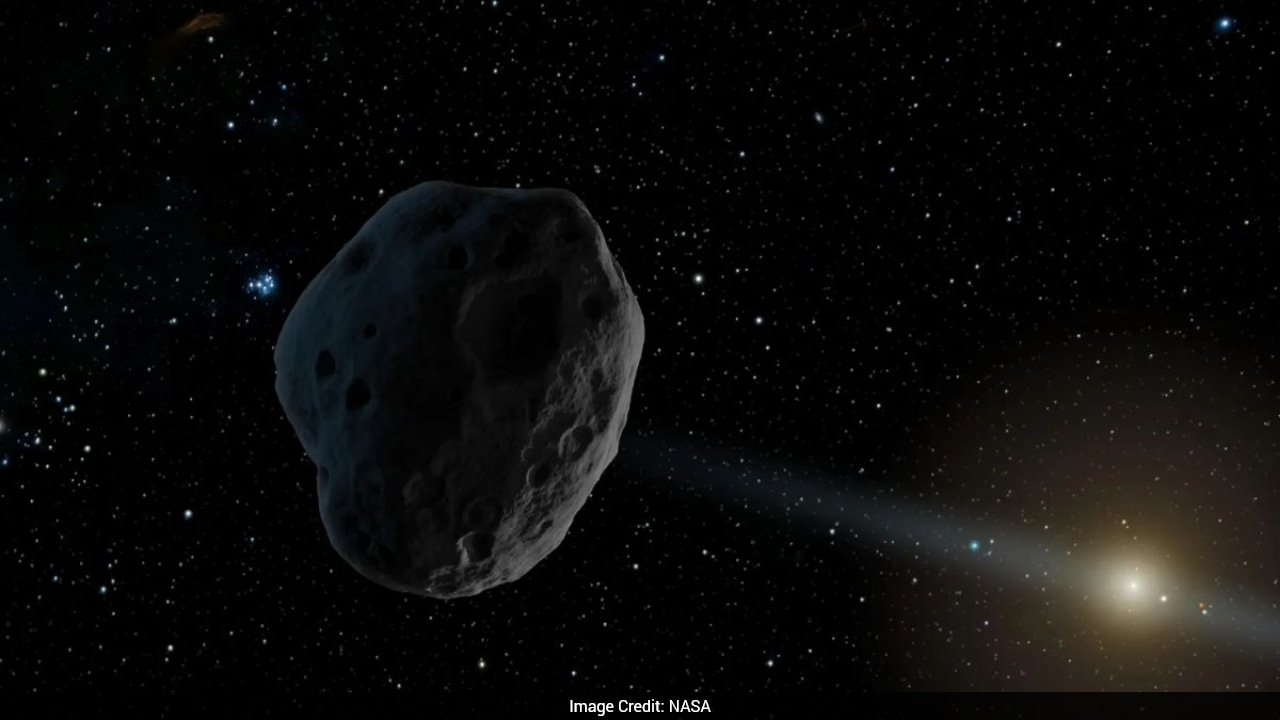
Scientists at NASA's Jet Propulsion Laboratory have identified a puzzling near-Earth object as a comet, resolving a mystery that began in 2025. The object, initially designated asteroid 1998 SH2, displayed unusual behaviour that did not match an asteroid, leading researchers to investigate further.
On August 28, 2025, the object passed safely within 3 million kilometres of Earth, providing an opportunity for close observation. Using NASA's Deep Space Network radar system and optical astrometry, researchers tracked its motion precisely. They found that the object's path deviated from predictions based on gravitational forces alone, indicating the presence of non-gravitational forces.
Davide Farnocchia, navigation engineer at JPL and lead author of the study published in Nature Astronomy, explained that the motion changes were inconsistent with an asteroid and suggested comet-like activity. Normally, comets display a visible tail and coma due to gas and dust release when heated by the Sun. However, this object produced only a weak tail, invisible to most telescopes.
During the 2025 close approach, researchers enlisted observatories in Hawaii and Chile to capture images. Olivier Hainaut of the European Southern Observatory and co-author of the study confirmed that the images showed a faint but clear tail, proving the object was a comet. It now bears the additional designation P/1998 SH2.
The study also sheds light on a class of objects known as 'dark comets' — objects that show irregular motion changes similar to comets but lack visible signs of activity. This discovery helps scientists understand the diversity of small bodies in the solar system and the processes that affect their orbits.