Supreme Court: No Default Bail if Chargesheet Filed but Not Given to Accused
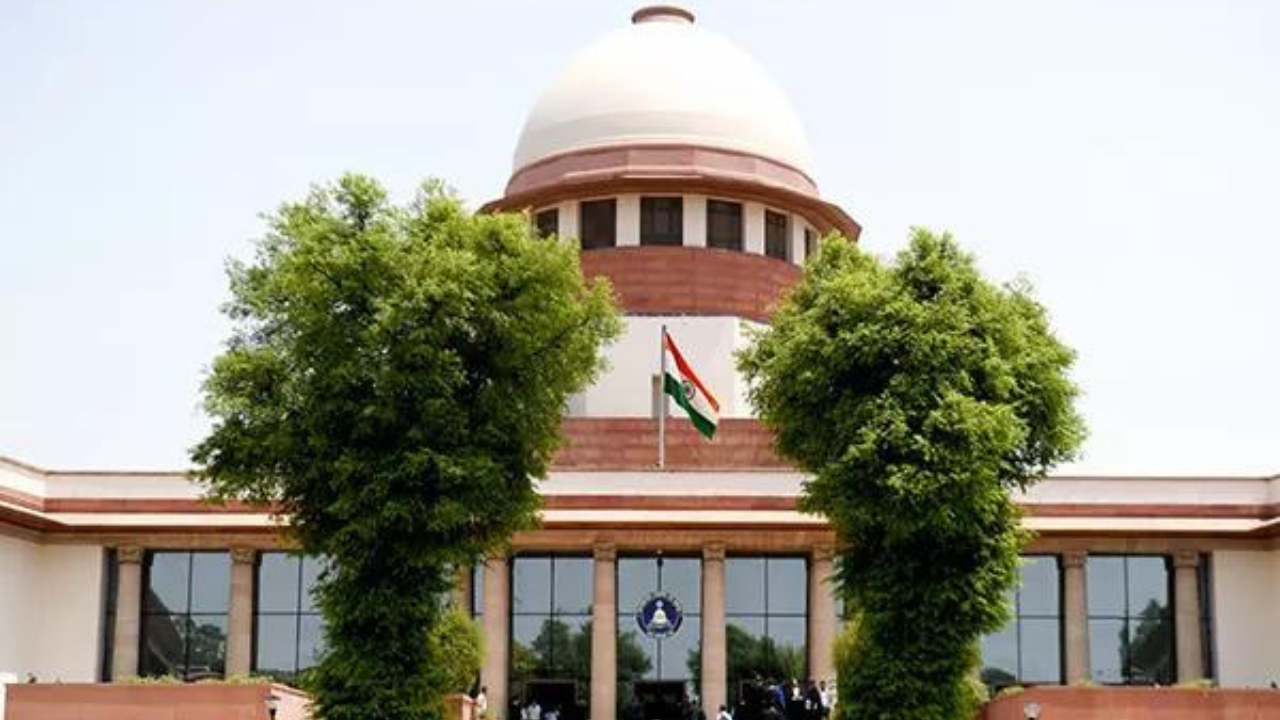
The Supreme Court has ruled that an accused cannot claim default bail merely because the prosecution failed to provide copies of the chargesheet within the statutory period. A bench of Justices Sanjay Karol and N K Singh clarified that the right to default bail under Section 167(2) of the Code of Criminal Procedure (CrPC) arises only when the chargesheet itself is not filed within the prescribed time limit of 60 or 90 days, depending on the offence.
The court made this observation while hearing an appeal against a Madras High Court order that had granted default bail to an accused on the ground that the chargesheet was not furnished despite being filed within the deadline. The Supreme Court set aside the High Court's decision, stating that the filing of the chargesheet within the stipulated period is sufficient to defeat an application for default bail. The mere non-supply of copies to the accused does not revive the right to default bail.
Under Section 167(2), if investigation is not completed within 60 or 90 days, the accused is entitled to bail on the expiry of that period, known as 'default bail'. This provision is aimed at preventing indefinite detention without trial. However, the court emphasised that once the chargesheet is filed, the magistrate takes cognisance of the offence, and the question of default bail ends. The accused's remedy thereafter lies in seeking regular bail under other provisions.
The ruling underscores that the statutory timeline for filing the chargesheet is a condition precedent for default bail. If the chargesheet is filed within time, the accused cannot claim default bail even if they have not received a copy. The court reasoned that the right to default bail is not a fundamental right but a statutory right, and it must be strictly construed.
Legal experts note that this decision clarifies a contentious issue and prevents potential misuse of default bail provisions by accused persons who may delay receipt of chargesheet copies. However, it also places a burden on accused to ensure they receive documents promptly, as lack of knowledge about the filing may not entitle them to default bail.
The judgment is likely to impact pending cases where accused have argued that non-supply of chargesheet within time entitles them to default bail. Moving forward, courts will require accused to demonstrate that the chargesheet was not filed at all within the statutory period to qualify for default bail.







