Strait of Hormuz remains insecure despite US-Iran ceasefire agreement
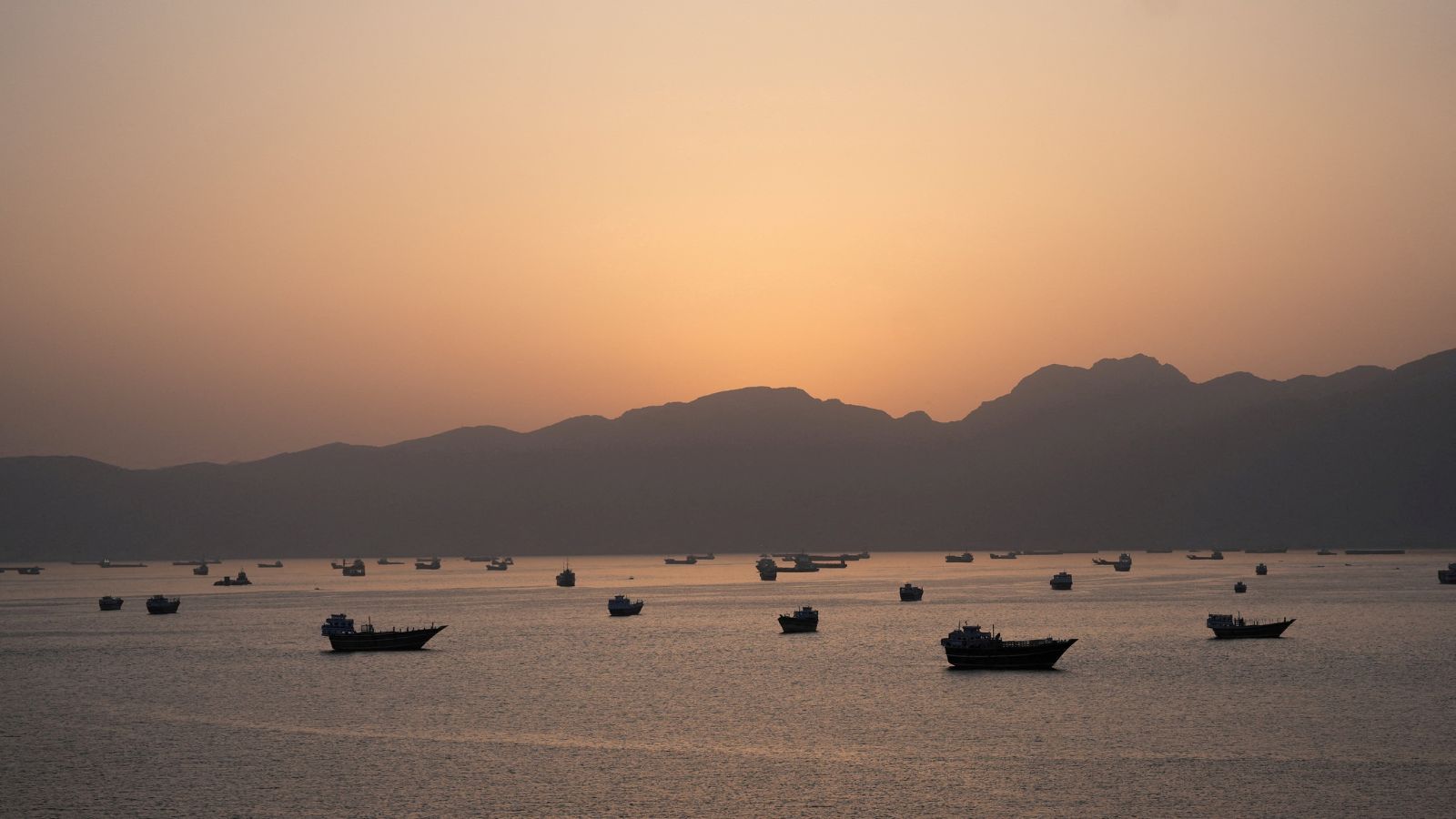
The United States and Iran have agreed to end hostilities and reopen the Strait of Hormuz, but the critical waterway remains far from safe. Despite a ceasefire and memorandum of understanding (MoU) aimed at restoring commercial navigation, shipping firms, insurers, and maritime authorities report that the gap between diplomatic pledges and on‑ground reality is widening.
Days after the agreement, fresh attacks on merchant vessels have occurred. The US launched retaliatory strikes, and alleged Iranian drone attacks were reported in Bahrain over the weekend, escalating tensions anew. The uncertainty deepened when Iran's Islamic Revolutionary Guard Corps (IRGC) warned ships that any vessel transiting the Strait without Tehran's permission or outside approved routes would be “responsible for any consequences.”
Shortly after, the Singapore‑flagged cargo ship Ever Lovely was struck by what US officials described as an Iranian drone. This was the first attack on commercial shipping since the US‑Iran agreement, according to CNN. US President Donald Trump condemned the strike as a “foolish violation of our Ceasefire Agreement,” and the US military later carried out retaliatory strikes on Iranian missile, drone storage, and coastal radar sites around the Strait. US Central Command said the operation targeted infrastructure used in attacks on commercial shipping and accused Iran of “clearly violating the ceasefire.” However, US officials stressed that the strikes did not signal a return to large‑scale combat operations.
The incident was followed by another maritime security alert on Saturday, when the United Kingdom Maritime Trade Operations (UKMTO) reported that a tanker in the Strait had been hit by an “unidentified projectile.” The crew was reported safe, but the episode reinforced concerns that commercial shipping remains vulnerable despite the ceasefire.
Iran responded to the US strikes by targeting US military positions in the region. The IRGC did not identify the specific sites, but Iranian state media said the operation was carried out under Article 51 of the UN Charter, which recognises a state’s right to self‑defence. Tehran also accused Washington of violating the ceasefire memorandum by striking Iranian coastal surveillance facilities and warned that any further breaches would draw a “swift and decisive” response.
Hours later, Bahrain said a number of Iranian drones had targeted its territory, describing the incident as “a flagrant threat” to its sovereignty and the safety of its citizens. Qatar, Kuwait, the UAE, and the Gulf Cooperation Council condemned the alleged attack and expressed solidarity with Bahrain. The IRGC maintained it had targeted locations belonging to what it called the “US terrorist army in the region,” without specifying whether Bahrain had been the intended target.
Further ambiguities on the MoU's application emerged when an Israeli drone reportedly struck the Nabatieh al‑Fawqa area in southern Lebanon on Wednesday—a day after Israel and Lebanon signed a US‑brokered security arrangement aimed at easing border tensions.
The situation underscores that diplomatic agreements alone do not guarantee maritime security. The continued attacks and retaliatory strikes highlight the fragility of the ceasefire and the challenges of enforcing peace in a region where multiple actors and grievances intersect.