SG Tushar Mehta Debunks Myth: Hindu Law Not Based on Manusmriti, Says Most Follow Mitakshara
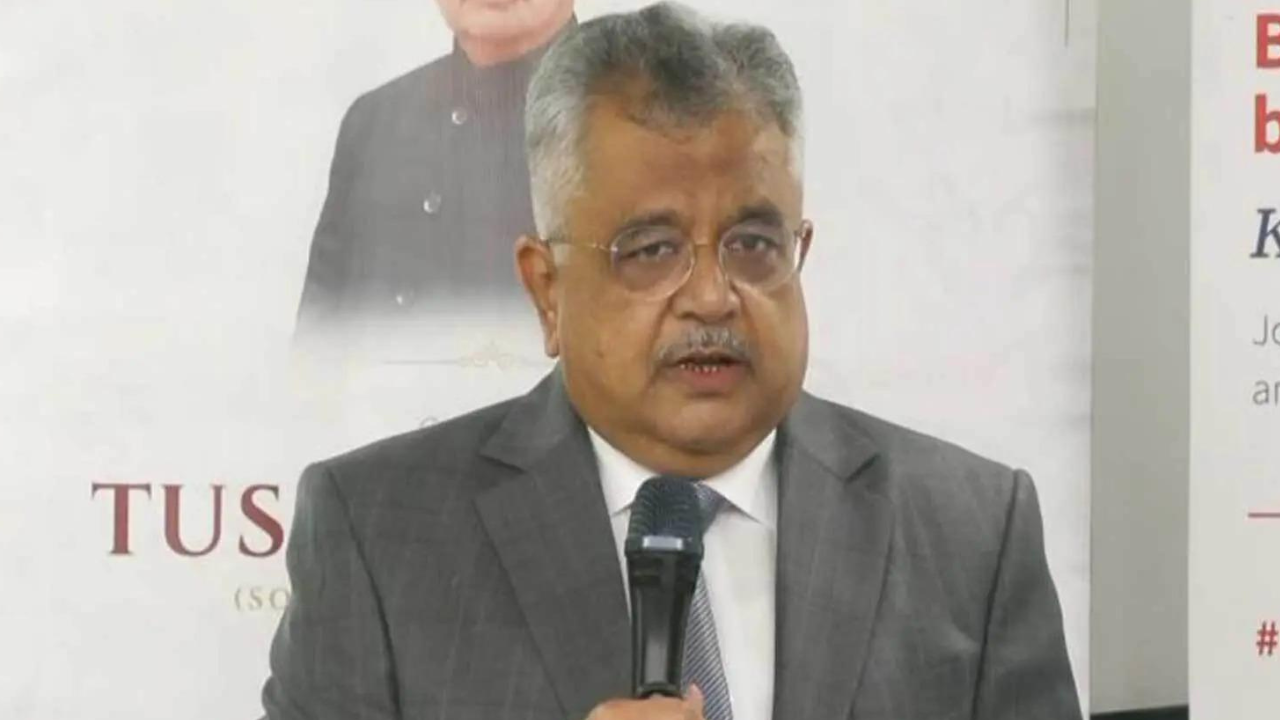
Solicitor General Tushar Mehta clarified on Saturday that associating Hindu law entirely with the 'Manusmriti' is a misconception. He stated that the overwhelming majority of Hindus, except those in Assam and West Bengal, follow the 'Mitakshara' school of thought, which is based on the 'Yajnavalkya Smriti'.
Delivering a lecture on 'Ancient Wisdom & Legal Intelligence', Mehta explained that there are two primary schools of Hindu law that have existed since before 700 AD: the 'Mitakshara' and the 'Dayabhaga' schools. The 'Mitakshara' school, developed by Vijnaesvara, is derived from the 'Yajnavalkya Smriti', not the 'Manusmriti' as commonly believed. This school is prevalent across India except in Bengal and Assam, which follow the 'Dayabhaga' school based on 'Manusmriti'.
Mehta highlighted key differences between the two schools regarding inheritance rights. In the 'Dayabhaga' system, inheritance was limited to those who could perform 'pind daan'—a ritual offering of rice cakes to ancestors during 'shraadh' ceremonies. This restrictive interpretation was confined to two states. In contrast, the 'Mitakshara' school is more liberal and dynamic, granting inheritance by birth and interpreting 'pind' as akin to DNA. This concept persists today, where a coparcener in a Hindu family inherits property by birth.
On the subject of adoption, Mehta presented four interpretations of the 'right to adopt' from Hindu scriptures, arguing that these ancient laws are capable of dynamic interpretation. He also praised the ancient wisdom behind 'prohibited degrees of relationships' between men and women, noting that this system, devised well before 700 AD, was later approved by Parliament when codifying Hindu marriage law.
The Solicitor General's remarks aim to correct a widespread misunderstanding about the foundations of Hindu law, emphasizing its regional diversity and evolving interpretations.







