India challenges US forced labour tariff probe, seeks review before July deadline
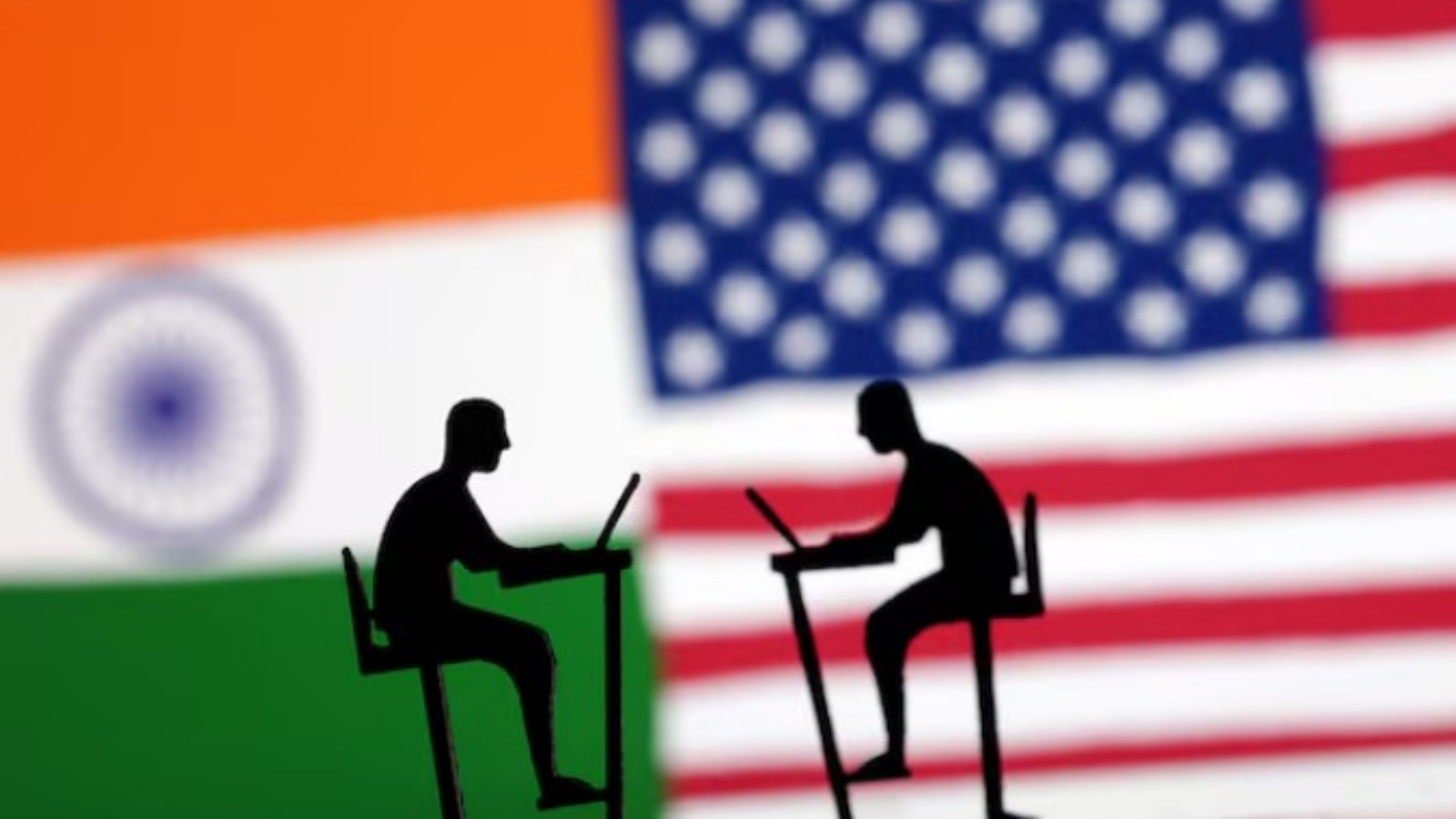
India has formally asked the United States to review its proposed 12.5% tariffs under a Section 301 investigation into alleged forced labour practices, arguing that the US findings lack legal basis. The development comes as the deadline for the new US tariffs—scheduled to take effect by July 24—approaches.
The US currently imposes a 10% global tariff on certain goods, and the proposed increase to 12.5% targets countries including India. India’s intervention was made during a public hearing before the Office of the United States Trade Representative (USTR).
Brij Mohan Mishra, Joint Secretary in India’s Department of Commerce, presented India’s case. He stated that India treats the elimination of forced labour as a constitutional obligation and a matter of international law and principle. “India would like to highlight its concerns with the USTR’s report and findings against India,” Mishra said.
He argued that the USTR has not satisfied the relevant legal standards under Section 301(d) of the Trade Act of 1974. According to Mishra, “A mere absence of a forced labour import prohibition without evidentiary basis of other statutory requirements cannot be construed as unreasonable under Section 301.”
The hearing is part of the USTR’s process to finalise the tariff adjustments. India’s submission seeks to demonstrate that the US investigation relied on insufficient evidence and that India’s domestic laws and policies adequately address forced labour concerns.
India has also emphasised its commitment to international labour standards and has pointed to its existing legal framework, including the Bonded Labour System (Abolition) Act, 1976, and the Child Labour (Prohibition and Regulation) Act, 1986. The government has argued that any allegation of forced labour must be backed by concrete evidence, which the US has failed to provide.
The outcome of this review will have significant implications for bilateral trade between the two countries. The US is one of India’s largest trading partners, and any tariff escalation could affect exports of goods such as textiles, leather, and agricultural products.
India’s move is part of broader efforts to resolve trade disputes through dialogue rather than unilateral measures. Both nations have engaged in multiple rounds of discussions under the US-India Trade Policy Forum.







