1926 Dhyan Chand hockey tour still unites India and New Zealand, PMs honour legacy
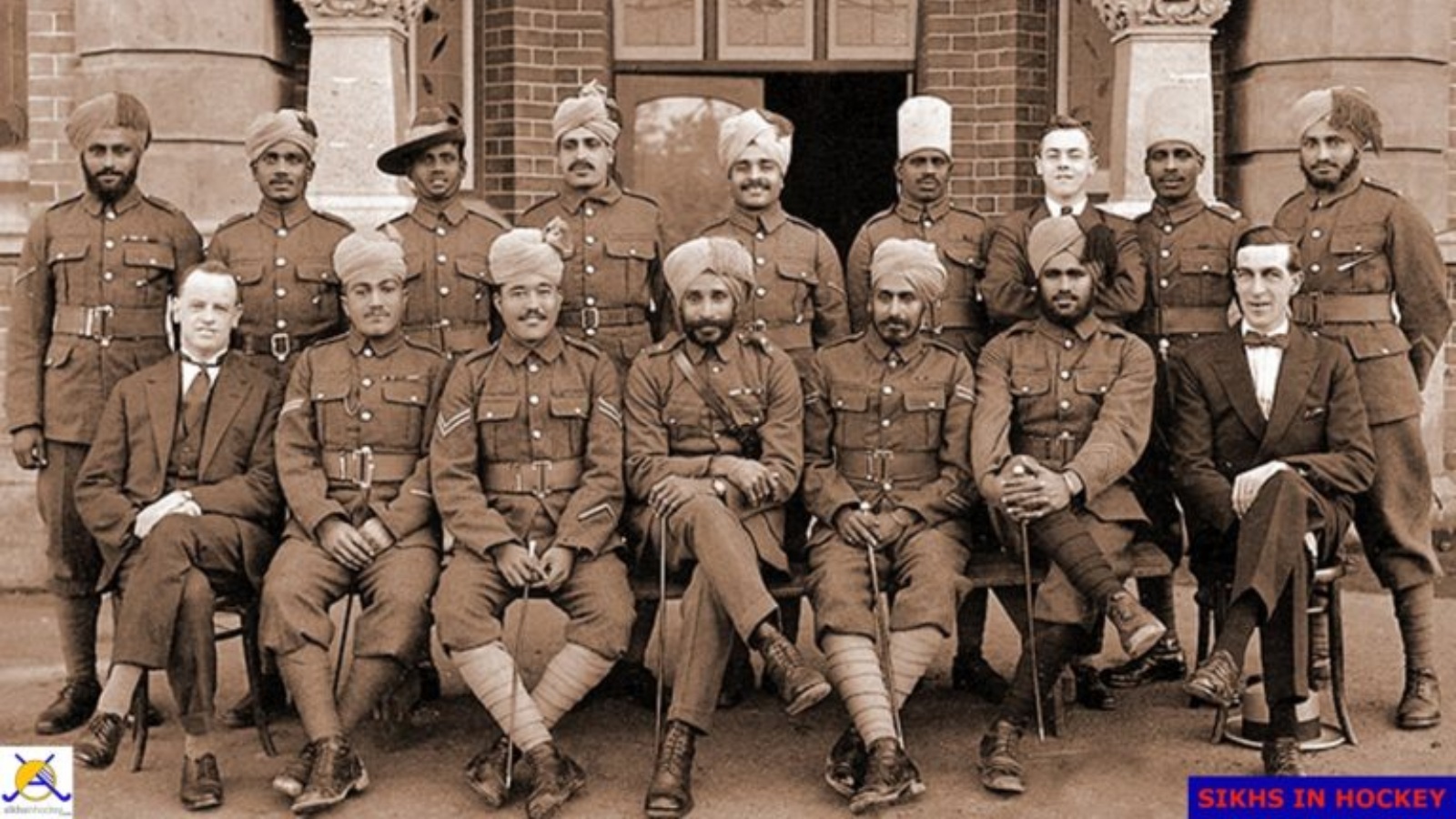
A century after a historic hockey tour, the legacy of hockey legend Dhyan Chand continues to bridge India and New Zealand. Prime Minister Narendra Modi and his New Zealand counterpart Christopher Luxon paid tribute to the landmark 1926 tour during a meeting in Auckland, highlighting its lasting impact on sporting ties.
Ashok Kumar, son of Dhyan Chand, expressed pride that his father's achievements still resonate at the highest levels of government. "I feel proud that a team of Armymen, and a humble soldier in that team, did something so remarkable that even after 100 years, the Prime Ministers are talking about it," he said.
In 1926, a 17-member Indian Army hockey team – comprising four British officers, one Sikh officer, and 12 Indian soldiers – sailed from Calcutta on April 11. Led by Captain David Tennant Cowan, they embarked on a month-long voyage via Sri Lanka and Australia before arriving in New Zealand.
The team played unofficial matches en route, impressing crowds. Upon arrival in Auckland on May 11, an unofficial warm-up against a Navy side resulted in an 11-1 victory, with Dhyan Chand scoring four goals. The New Zealand Herald described him as a "slightly-built youth" with perfect stick work and ball control.
On June 26, 1926, India played its first official international at Lancaster Park in Christchurch before nearly 14,000 spectators. Wearing red shirts, white shorts, and red socks, India won 5-2. Dhyan Chand scored a hat-trick, including the first goal ever by an Indian team in international hockey.
The tour's popularity led to additional matches. The second match in Auckland drew over 18,000 spectators, and the third at Eden Park attracted more than 25,000. Peter Miskimmin, New Zealand's head of sports diplomacy, noted that his grandfather refereed the first international. "The message went around about these wizards from India who were so clever," he said.
Hockey India secretary-general Bhola Nath Singh called the centenary "a matter of immense pride." Miskimmin sees the milestone as a platform to deepen bilateral ties, including through sport. "Sport is a part of the free trade agreement," he said. "There are interests from New Zealand and India to share, learn and collaborate on sport."
The 1926 tour remains a symbol of how sports can foster enduring connections between nations.







