SC: Private medical colleges cannot be forced to charge government fee rates
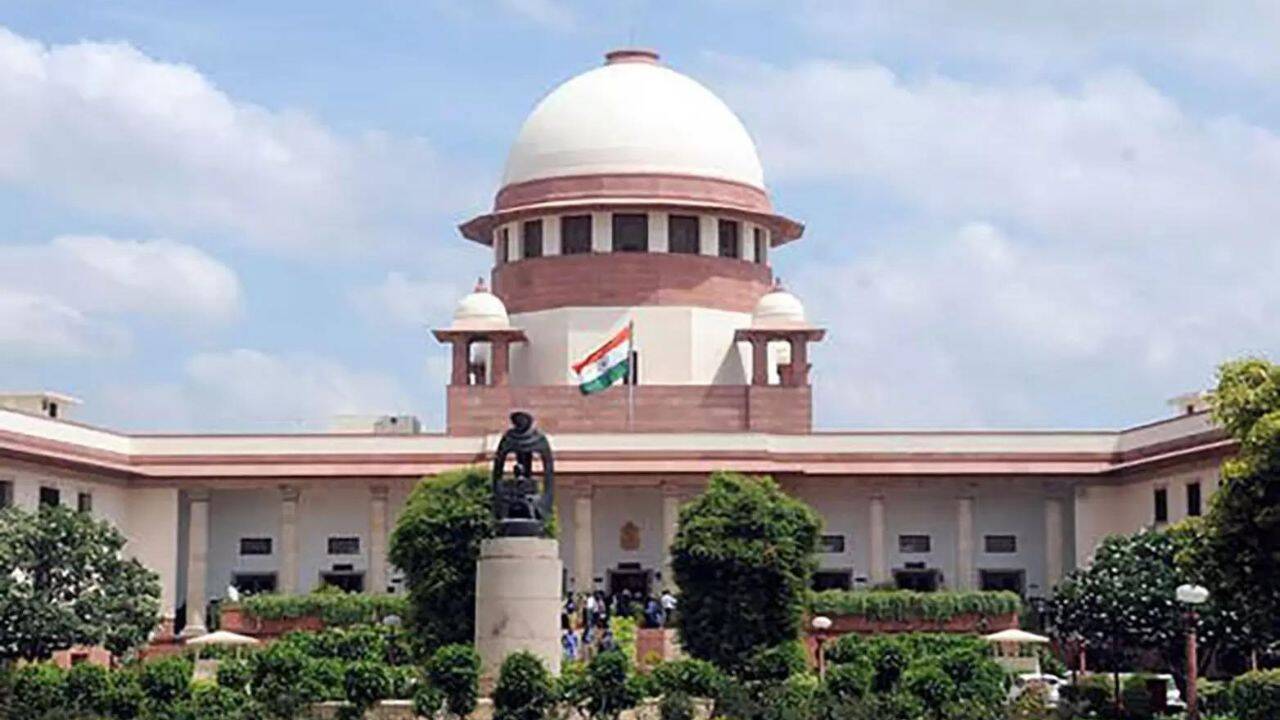
The Supreme Court on Wednesday observed that private medical colleges cannot be compelled to charge fees at par with government institutions, as doing so could lead to their closure and adversely affect medical education.
A bench of Justices B V Nagarathna and Joymalya Bagchi made the observation while dismissing a petition filed by an Economically Weaker Section (EWS) student who was allotted a general category seat in a private medical college in Rajasthan, where the annual tuition fee is nearly Rs 19 lakh.
“Annual tuition fee can’t be the same in a private college and a govt one,” Justice Nagarathna said. “In self-financing private colleges, every expense is to be borne by the colleges whereas govt subsidies the expenses in the colleges under it.”
The student, whose parents have an annual income of less than Rs 8 lakh, had cleared NEET-UG 2025 and argued that he was arbitrarily allotted a general category seat instead of an EWS quota seat. His counsel, Rishabh Sancheti, informed the bench that students in the EWS category who scored lower marks were allotted EWS quota seats where fees are at government rates.
The lawyer further argued that the Rajasthan government had failed to implement the mandatory 10% EWS reservation in private medical colleges, as mandated by the Constitution (103rd Amendment) Act, thereby violating the constitutional mandate and forcing poor families to pay exorbitant fees. He cited states like West Bengal and Maharashtra, which have implemented the EWS quota in private colleges.
However, the bench declined to intervene, stating, “We do not see any reason to interfere with the HC order.” The court advised the student to seek scholarships to pursue his studies. Recognizing the importance of the legal question, the bench clarified that the issue of law is kept open for adjudication in a future appropriate case.
The court also noted that while private medical colleges are barred from charging capitation fees, they are self-financing institutions that contribute significantly to higher education, including medical streams. “If they are asked to take fees at govt rate, then they will close down and the medical education would suffer,” Justice Nagarathna observed.