Remembering Rani Lakshmibai: Her Role in the 1857 Uprising
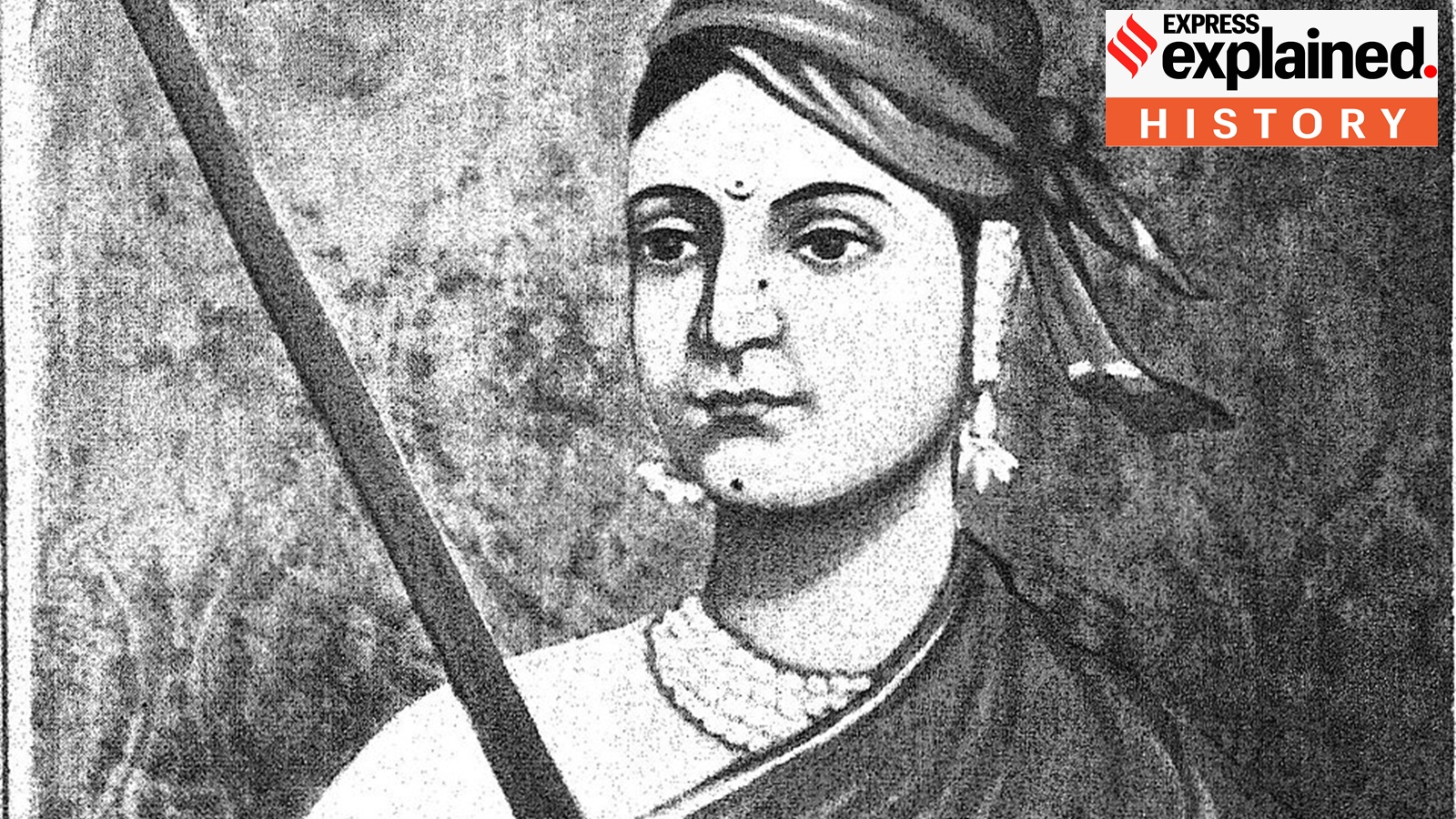
On 18 June 1858, Rani Lakshmibai of Jhansi died in battle against British forces near Gwalior during the Indian Rebellion of 1857. More than a century and a half later, she remains a prominent figure in India's historical narrative, often remembered for her resistance to colonial rule.
Lakshmibai was the queen consort of the princely state of Jhansi. Following the death of her husband, Gangadhar Rao, the state was left without a natural heir. The East India Company, citing the Doctrine of Lapse, refused to recognise the adopted heir and annexed Jhansi. This policy dictated that any princely state under British suzerainty could be annexed if the ruler died without a direct male heir.
The annexation was one of the grievances that contributed to the widespread uprising in 1857. Lakshmibai initially sought legal redress through the British courts but eventually took up arms. She organised the defence of Jhansi and later joined other rebel leaders. Historical accounts describe her active participation in military engagements, and she was killed in combat at Gwalior.
Following her death, her story began to evolve into legend. British officers who witnessed her bravery recounted it in memoirs and reports, sometimes with admiration. Indian folk songs and oral traditions preserved and embellished her exploits. By the late 19th and early 20th centuries, nationalist writers and poets used her image as a symbol of courage and resistance against colonial rule. Biographies, plays, and pamphlets contributed to her iconisation, making her a household name in the freedom struggle.
In independent India, her legacy has been commemorated through statues, memorials, and educational curricula. Her life story is often narrated as an example of valour and patriotism. While she is widely revered, historical nuance reveals a complex figure shaped by the turbulent times in which she lived. Scholarly works continue to examine her role within the broader context of the 1857 rebellion, which involved diverse participants with varied motives.
The rebellion itself was a pivotal event in Indian history, leading to the dissolution of the East India Company and the beginning of direct Crown rule. Lakshmibai’s participation reflects the convergence of personal loss, princely rights, and anti-colonial sentiment. Her transformation into a nationalist icon demonstrates how historical memory is constructed over time through literature, politics, and popular culture.
Today, her story remains a subject of inspiration and academic interest, serving as a reminder of the complex interplay between individual agency and larger historical forces.