India's US Envoy: Dismantle Terror Infrastructure Before Indus Treaty Talks
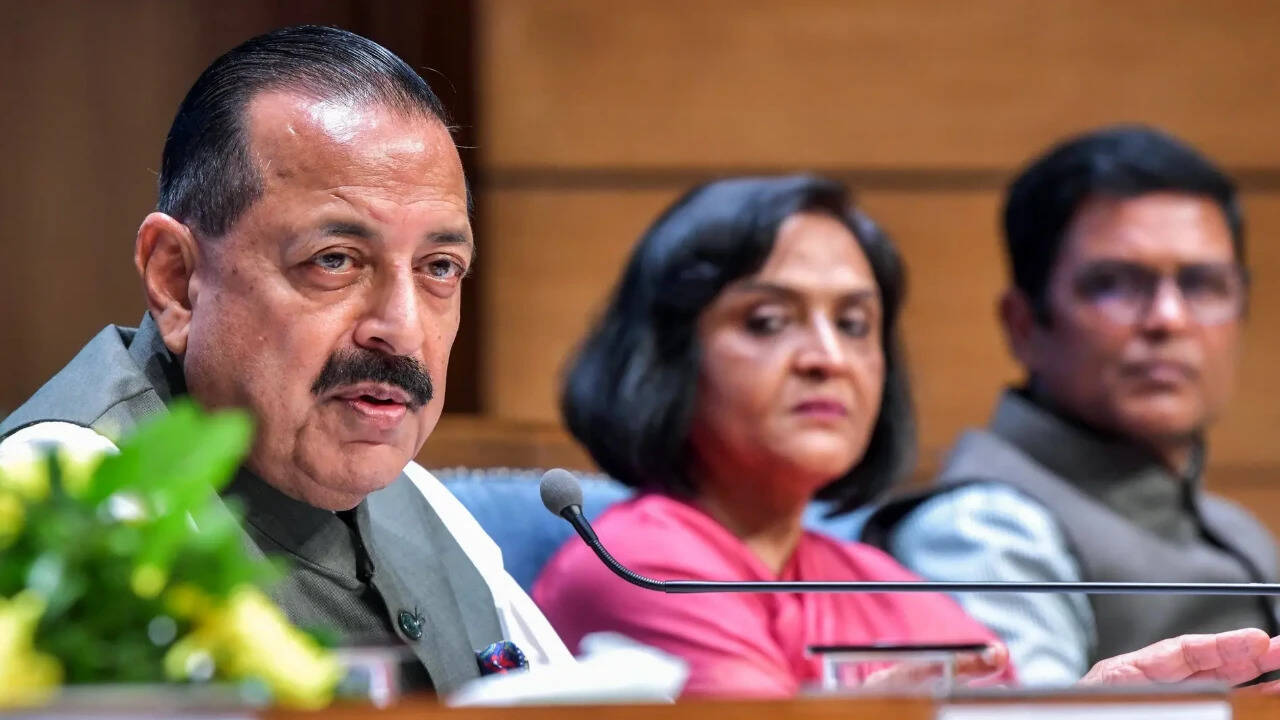
India's Ambassador to the United States, Taranjit Singh Sandhu, has reiterated New Delhi's position that any discussion on the Indus Waters Treaty with Pakistan must be preceded by decisive action against cross-border terrorism. Speaking at a public event in Washington, D.C., Sandhu said, “Dismantle terror infrastructure first, and then we can talk about the treaty.”
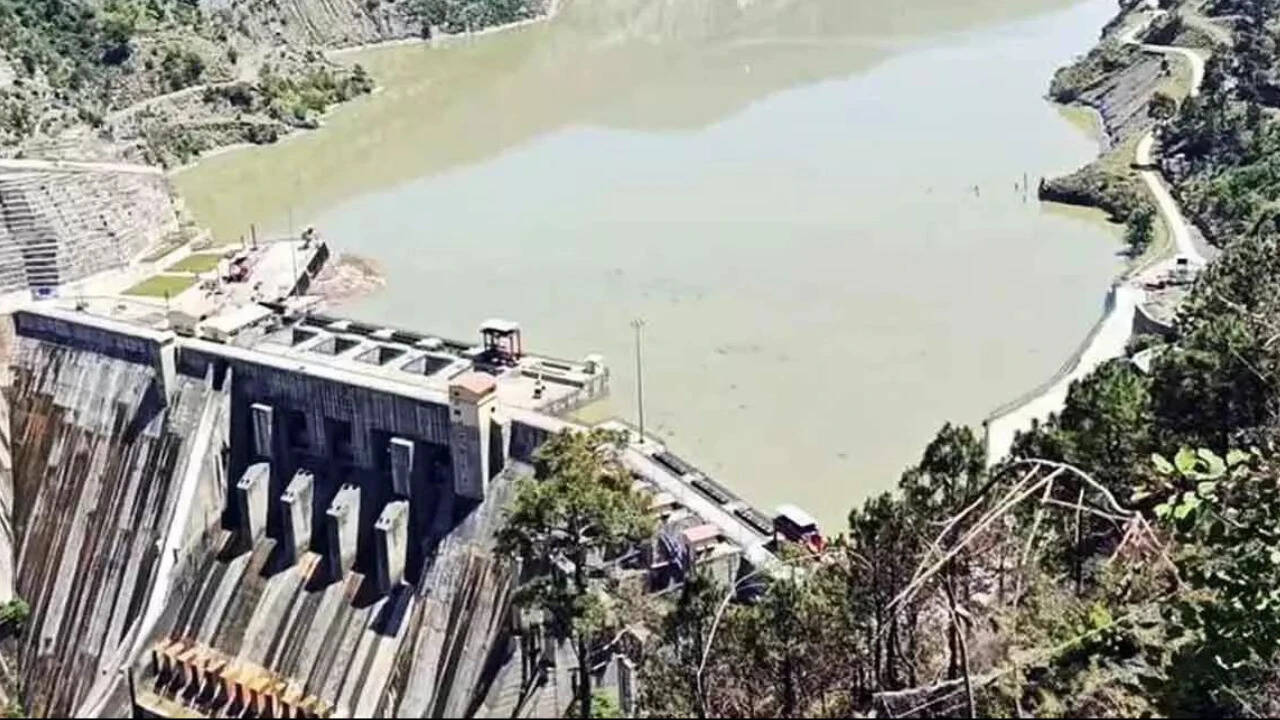
The remarks come amid a long-standing dispute over the treaty, which governs the sharing of water from six rivers between the two neighbours. The Indus Waters Treaty, signed in 1960 with the World Bank as a facilitator, has survived three wars and numerous crises. However, India's decision in early 2023 to issue a formal notice to Pakistan seeking modifications to the treaty has brought the issue back into sharp focus.
Sandhu's statement reflects India's consistent demand that Pakistan address what India calls its “state-sponsored cross-border terrorism” before any bilateral mechanisms, including the Permanent Indus Commission, can function effectively. Indian officials have previously accused Pakistan of using the treaty as a shield while sheltering terror groups that target India.
Pakistan has responded with equal firmness. Islamabad has denied any official connection to terror infrastructure and has accused India of trying to militarize the water issue. In recent weeks, Pakistani diplomats have approached the United Nations and the World Bank to raise concerns about India's notice, describing it as a unilateral act that could destabilise the region.
The treaty is widely considered a benchmark in international water-sharing arrangements. It grants India control over the three eastern rivers — Beas, Ravi, and Sutlej — while Pakistan holds the rights to the western rivers — Indus, Chenab, and Jhelum. India is allowed limited agricultural use from the western rivers and is required to maintain a constant flow to Pakistan. Changes to the treaty would require a complex negotiation process involving a neutral expert or a court of arbitration.
Sandhu's remarks also carry a signal to the United States, which is a co-signatory to the treaty as a third party. Washington has historically played a mediating role, and any amendment to the treaty would likely require US engagement. The envoy's choice of words suggests India wants the US to press Pakistan on the terror issue, not just on water mechanics.
Analysts observe that the treaty has become a bargaining chip in the broader India-Pakistan relationship, which remains hostile since the abrogation of Article 370 in 2019 and the subsequent downgrading of diplomatic ties. The two countries have not held a comprehensive dialogue since the 2015 terror attack on the Pathankot airbase, and the Indus Water Commission's meetings have been sporadic.
While Sandhu's comments are not new, they come at a time when the World Bank is yet to respond formally to India's notice. The international body has said it is “aware” of the communication but has not taken a position, citing the need for consultation with both parties. Pakistan's ambassador to the United States has called for India to return to the “letter and spirit” of the treaty.
Observers in Indian diplomatic circles note that Delhi is unlikely to withdraw its notice unless Pakistan takes visible, verifiable steps to shut down terror camps and extradite sanctioned militants. Pakistan, on the other hand, maintains that the treaty should be seen as a purely technical arrangement and should not be linked to political issues.
The Indus Waters Treaty is seen as a lifeline for Pakistan's agriculture, with over 90 percent of its irrigation needs coming from these rivers. Any disruption in water flow could have severe economic consequences. India, for its part, has repeatedly stated that it does not intend to “turn off the tap” but wants a revised mechanism that addresses its concerns about water storage and climate-change impacts.
The statement by the Indian envoy is thus a bridge between India's security concerns and its water policy. It underscores a position that has been a constant in Indian diplomacy: terrorism and treaty mechanisms cannot be pursued as separate tracks. Whether this hardline stance will lead to a renegotiation or a breakdown remains to be seen, but the international community is watching closely.