RBI’s New Pilot Rules: Compensation for Digital Arrest, OTP Fraud Victims from 2027
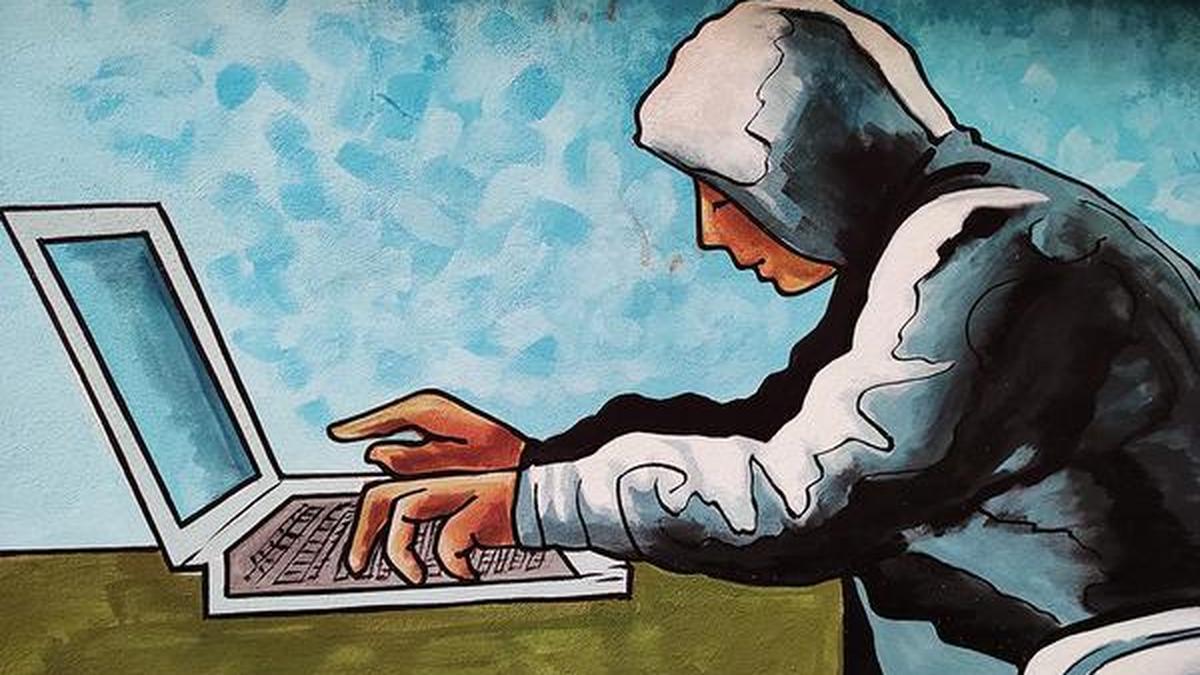
The Reserve Bank of India (RBI) on Wednesday issued a pilot framework to compensate victims of certain digital frauds, including digital arrests and OTP theft. The rules, effective from January 1, 2027, amend the 2017 circular on customer liability in unauthorized transactions.
Under the new framework, customers can claim compensation for losses incurred due to 'fraudulent electronic banking transactions' (EBTs). The RBI defines these as transactions executed using credentials obtained through fraud or under coercion, or those occurring due to bank negligence or third-party breaches.
Compensation is available for losses up to ₹50,000, with victims eligible for 85% of the amount, capped at ₹25,000. This means for any loss between ₹29,412 and ₹50,000, the payout is a flat ₹25,000. The RBI will fund roughly three-fourths of the compensation, while the customer's bank and the beneficiary bank share the remainder.
To qualify, victims must report the fraud to the cybercrime helpline (1930) within five days. Cases involving negligence, such as ignoring fraud warnings or failing to update contact details, are not covered. For third-party security breaches, the reporting window has been extended to five calendar days from the earlier three working days.
The pilot applies only to specific scam types, including digital arrests (where victims are coerced into payments) and OTP theft. Most financial frauds today rely on social engineering, as core banking systems are heavily regulated and 'zero-click' hacks are rare.
The deadline for banks to implement the system has been pushed to January 1, 2027, from the initially proposed July 1, 2026. Complaint settlement timelines are now 45 days for domestic transactions and 60 days for international ones.
Dvara Research, a financial inclusion think tank, had suggested the framework account for vulnerable customers who may face repeated fraud attempts. 'It is not unlikely that customers may fall for them more than once,' the organization noted, urging a lenient standard of care.
The pilot will run for one year, after which the RBI may consider extending it based on feedback.