Putin claims Russia winning, offers talks while calling Ukraine 'terrorists'

Russian President Vladimir Putin on Tuesday (September 1, 2026) said Russia was winning the war in Ukraine and described the Ukrainian leadership as “terrorists” with whom Moscow could not negotiate. Speaking at a news conference after a summit in Kyrgyzstan, Putin made his most detailed comments on the conflict in weeks.
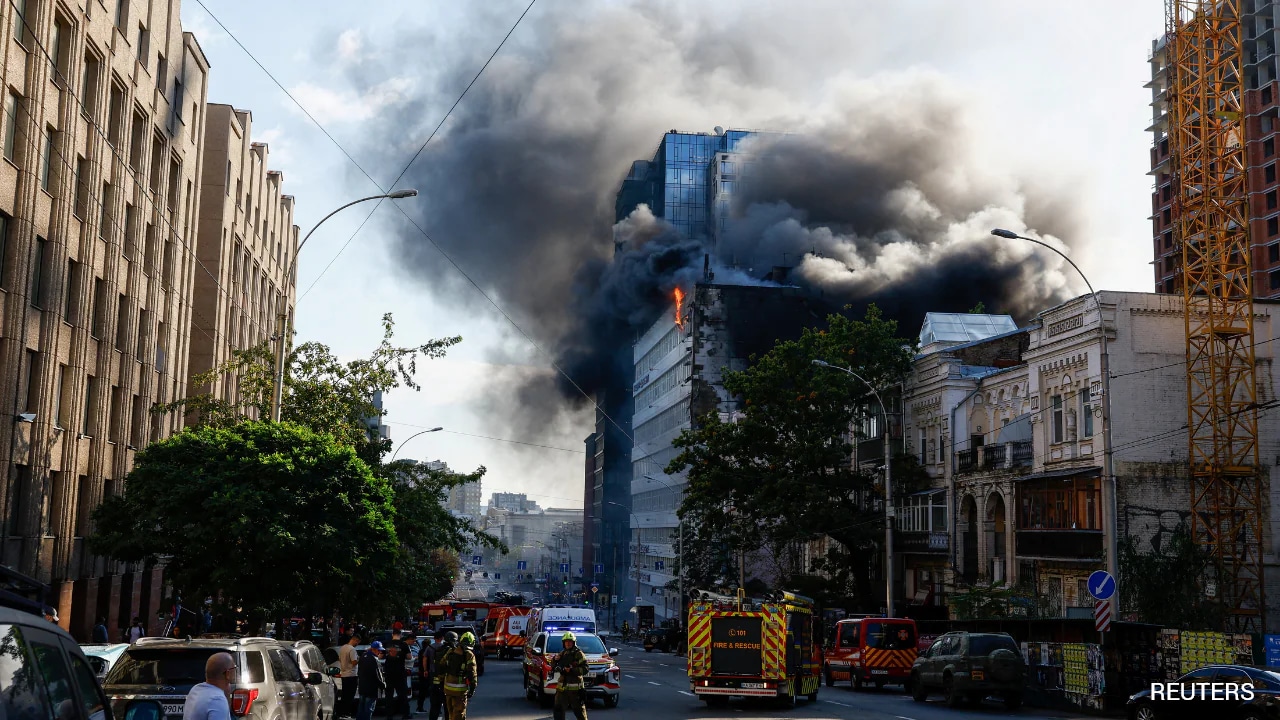
Putin acknowledged that Ukrainian attacks inside Russia had caused real damage and said drones posed a particular challenge. However, he insisted that Russian forces were advancing on the battlefield. “I have no doubt the enemy will crumble,” he told reporters, without specifying a timeline.
He dismissed rumours that Russia would be forced to order a new military mobilisation as “utter nonsense.”
On territorial gains, Putin claimed that Russian troops had captured 270 square kilometres (168 square miles) of the Donetsk region in eastern Ukraine in August, and that a large group of Ukrainian troops were surrounded. Reuters could not independently verify these statements.
Putin added that Russian forces continued to advance towards the cities of Sloviansk and Kramatorsk, and that Moscow’s forces were preparing to launch massive strikes against energy infrastructure in Ukraine.
Reacting to Ukrainian President Volodymyr Zelenskyy’s warning that Ukrainian drones would effectively shut down Russian airspace, Putin likened it to “state terrorism” and said Moscow would find a way to respond if it happened.
While ruling out negotiations with “terrorists,” Putin said Moscow was open to “concrete” talks on settling the Ukraine conflict if new momentum could be injected. This apparent contradiction reflects the Kremlin’s long-standing position: it demands that Ukraine accept Russian terms, including territorial concessions and neutrality, while Kyiv insists on a full Russian withdrawal.
The latest statements come amid continued fighting and diplomatic stalemate. Western governments have repeatedly condemned Russia’s invasion and have provided military and financial aid to Ukraine. Moscow, for its part, has framed the conflict as a defensive struggle against NATO expansion and what it calls Ukrainian nationalist extremism.
Putin’s remarks on negotiations will likely be viewed with caution in Kyiv and Western capitals, given previous offers of talks that were accompanied by intensified attacks. Independent verification of battlefield developments remains difficult, with both sides claiming progress.