Petrol Pumps May Refuse UPI Payments Above Rs 2,000 From October 15: Here's Why
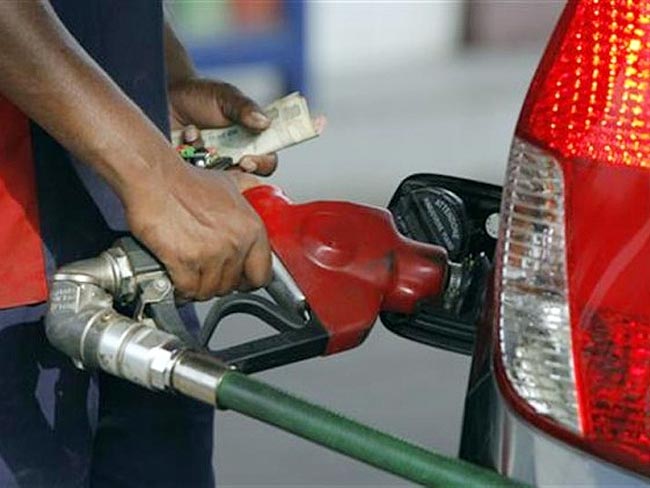
Petrol pump dealers in Madhya Pradesh and other parts of the country have said they may stop accepting Unified Payments Interface (UPI) payments above Rs 2,000 from October 15 unless fuel retailers are exempted from a proposed merchant discount rate (MDR) on such transactions.
MDR is the fee a merchant pays to banks and payment service providers for accepting digital payments. UPI transactions currently do not attract MDR, and the platform is promoted as a public digital good. The dealers are objecting to a reported proposal to levy a 0.4 per cent MDR on UPI payments at fuel retail outlets. Where such a charge applies, it is borne by the merchant — in this case the fuel retailer — though businesses can pass on costs to customers through prices or by limiting acceptance.
Dealers have argued that rising operating costs, along with fuel commissions that have not been revised, make it difficult for them to absorb any additional transaction charges. They are seeking a complete waiver of MDR on UPI payments at petrol pumps.
The All India Petroleum Dealers Association has also sought a full exemption from MDR on UPI payments made at petrol pumps, news agency ANI reported.
In Madhya Pradesh, petroleum dealers have demanded the withdrawal of the proposed levy and called for fuel sales to be exempted from MDR, according to news agency IANS.
The Confederation of All India Traders (CAIT) has described the move by Madhya Pradesh petrol pump dealers to stop accepting UPI payments above Rs 2,000 as a serious concern, PTI reported. Similar protests have surfaced elsewhere, with traders in Ghaziabad putting up notices stating that UPI payments would not be accepted.
If the limits are adopted widely, customers who regularly use UPI for larger fuel purchases could find it harder to pay digitally. Fuel is among the highest-value categories of everyday UPI spending, so the impact on overall digital payment volumes at these outlets could be noticeable, particularly for commercial vehicles and long-distance travellers.
The reported proposal is linked to a broader question that has been under discussion for some years: who bears the cost of processing UPI transactions, which has so far been largely absorbed by banks and the National Payments Corporation of India. Successive governments have described UPI as a digital public good and have stressed that it should remain free for users. Any decision to levy an MDR would require a policy decision, and the reports cited here do not make clear whether the 0.4 per cent rate has been formally notified or when it would take effect.
The reports also did not include any response from the Union Ministry of Petroleum and Natural Gas, the Ministry of Finance or the National Payments Corporation of India to the dealers' demands.
For now, the position of individual fuel outlets may vary. Motorists who rely on UPI may wish to check with the pump before filling up, and keep an alternative payment method handy for transactions above Rs 2,000 from mid-October. The situation remains fluid, and any clarification from the authorities or a settlement between dealers and oil marketing companies would change the picture.