India Closes 64.5% of Its Gender Gap, But Jobs and Political Power Still Lag
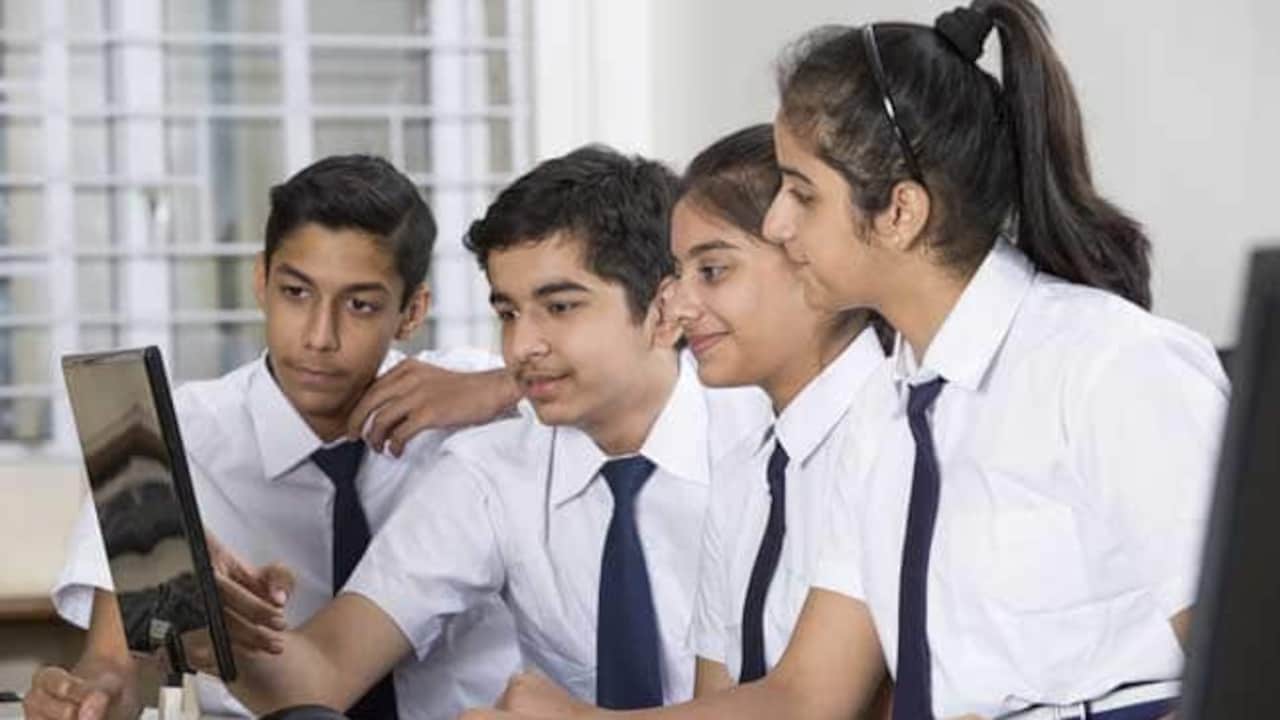
India has brought women much closer to men in education, but that progress has not carried over in equal measure to jobs, income or decision-making, according to the World Economic Forum's Global Gender Gap Report 2026.
The report benchmarks economies on how close women and men are on four measures: Educational Attainment, Health and Survival, Economic Participation and Opportunity, and Political Empowerment. India has closed 64.5 per cent of its overall gender gap, placing it 131st among the 145 economies covered. Its overall score has improved by 4.3 percentage points since 2006, with education accounting for much of that long-term gain.
Throughout the index, a higher percentage means a narrower gap between women and men; a lower percentage means a wider one. The index tracks relative equality rather than absolute levels of development, so a strong score in any area reflects how evenly gains are shared, not the size or reach of the sector itself.
Behind several neighbours
Among South Asian economies, India trails several neighbours. Bangladesh leads the region at 79th globally, followed by Maldives at 90th and Bhutan at 121st. Sri Lanka, at 129th, is just ahead of India, while Nepal (138th) and Pakistan (143rd) rank below.
Economy: the widest gap
India's largest shortfall is in Economic Participation and Opportunity, where it ranks 143rd. The score improved by only 0.5 percentage points from the previous year and remains below its 2013 level.
Some indicators within this category have advanced over the longer term. Parity among professional and technical workers has risen from 26.6 per cent in 2006 to 49.9 per cent in 2026 — close to double over two decades. The share of women among legislators, senior officials and managers has improved by 10 percentage points since 2006. Parity in labour-force participation stands at 44.1 per cent.
Education: near parity
Education presents a contrasting picture. India has closed 96.6 per cent of the gender gap in Educational Attainment, although that subindex is itself ranked 112th — a reminder that a high percentage here reflects how evenly education is accessed by women and men, not the overall quality or reach of the system. The country has achieved full parity in secondary and tertiary enrolment.
Health and Survival
India ranks 136th in Health and Survival. The report says the score has followed an upward trend since 2017, although the sex ratio at birth remains nearly one percentage point below its 2006 level.
Political Empowerment
Political Empowerment is India's best-performing subindex, at 67th. Progress within it, however, has been uneven. "The gender gap in parliament is 16.1 per cent closed, while the figure for ministerial positions is 5.9 per cent. The head-of-state indicator, which looks at female and male leadership over the past 50 years, stands at 40.7 per cent," the report states.
The 2026 findings place India in a familiar position: substantially closer to gender parity in classrooms than in workplaces and positions of authority. Education has moved furthest; economic participation and political decision-making remain the critical pain points.