Trump Extends $100,000 H-1B Visa Fee Order by Another Year as Courts Weigh Legality
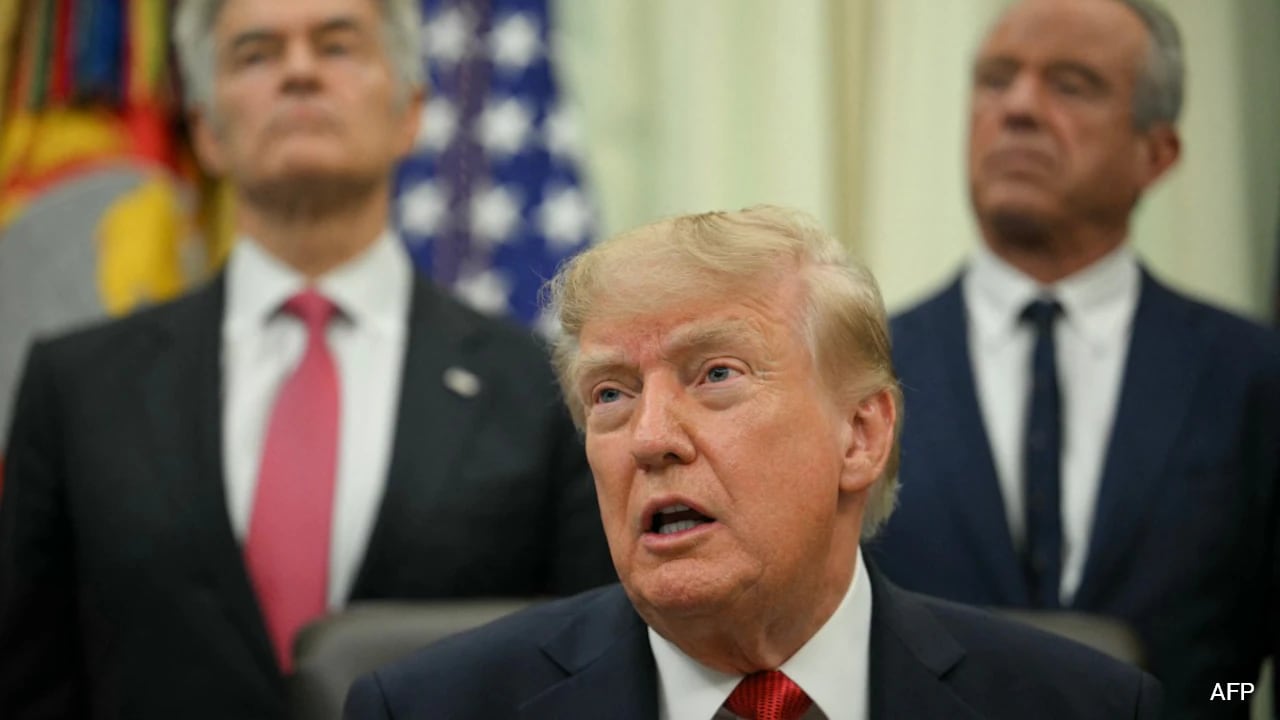
US President Donald Trump has extended by another year an executive order that seeks to impose a fee of $100,000 on H-1B non-immigrant visas, the White House said on Friday.
The H-1B programme allows US employers to hire foreign professionals in specialised fields — most commonly software engineering, research, medicine and academia — for a few years at a time, with the possibility of renewal. Employers sponsor the visa. Congress caps the programme at 65,000 visas a year, with an additional 20,000 reserved for workers holding advanced degrees from US institutions.
Mr Trump has been a persistent critic of the programme and wants to raise the employer fee permanently from the present range of roughly $2,000 to $5,000 to at least $100,000. That attempt has run into legal challenges.
A Boston-based appeals court is reviewing a June ruling by a federal judge who held that the higher fee imposed by the administration was illegal and blocked the government from collecting it. A separate court is considering whether a judge was right to reject a challenge to the fee filed by the US Chamber of Commerce, the country's largest business lobbying group.
The original order, first issued in September 2025, was due to expire this month. It did not apply to visas granted to foreign citizens already in the United States on student visas — a group that accounts for a large share of new H-1B recipients — or to renewals of existing visas. The extension keeps the order in force while the appeals are heard.
The visa category was created by Congress in 1990. It is especially important to technology companies recruiting from India and China, whose nationals make up the bulk of H-1B recipients. New Delhi has said it is assessing the impact of the fee plan on Indian professionals.
Critics argue that some employers use the visas to hire lower-paid foreign workers in place of qualified Americans, and that this can hold down wages in certain occupations. Business groups and companies counter that the programme helps them recruit highly skilled professionals and fills genuine gaps where qualified US workers are in short supply.
The uncertainty over fees and the tighter scrutiny of applications have already affected corporate hiring and expansion plans. Some of the largest users of the programme, including Google's parent company Alphabet, have moved to increase operations in India.
For now, the practical position is unsettled: the executive order remains in force, while the courts continue to weigh whether the $100,000 fee can lawfully be charged. Employers planning to sponsor foreign workers, and the professionals who depend on those sponsorships, face a period of uncertainty over costs and timelines.
Any lasting change to the H-1B system would require action by Congress, which sets visa numbers and the legal framework for the programme. Previous attempts at comprehensive immigration reform have stalled in the legislature, leaving executive orders and litigation to shape policy in the interim.