Greenland deal: US gets permanent military access as Trump shelves takeover threat

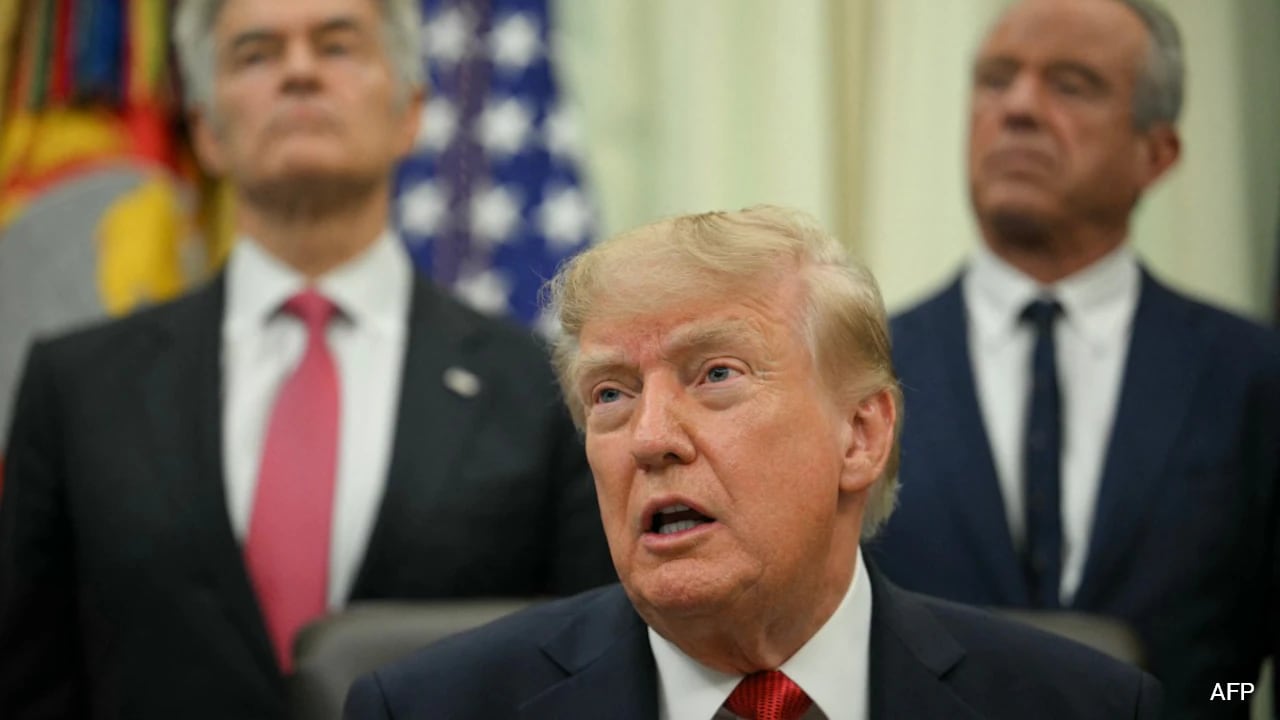
The United States, Denmark and Greenland have reached an agreement that would allow Washington to establish a significant military presence on the Arctic island and prevent US adversaries from setting up bases there, President Donald Trump said on Friday, September 18, 2026.
The announcement follows months in which Mr. Trump threatened to take control of Greenland from Denmark by force. It indicates he may not revive those territorial claims, at least in the near future, and is instead pursuing expanded military access through an agreement with Copenhagen and Nuuk.
Denmark and Greenland, an autonomous territory within the Kingdom of Denmark, welcomed the agreement. The office of Danish Prime Minister Mette Frederiksen said it would be signed by the three governments next week on the sidelines of the United Nations General Assembly in New York. Parliamentary approval is still required in Denmark and Greenland before it can be implemented.
In a post on Truth Social, Mr. Trump said no US adversary would be able to make sensitive investments on the island without Washington's approval, adding that the agreement had no expiry date.
"At my direction, we worked with representatives of Denmark and Greenland to guarantee that the United States will FOREVER have the complete ability to do what is necessary in Greenland in order to secure and defend the security of Greenland, and the United States of America," he wrote. "This is a dream come true for the United States of America," he added.
Mr. Trump said, without elaborating, that the United States would soon establish a significant military presence on the island, which already hosts a Space Force base in its remote northwest. He provided no details on how the agreement would work, and it was not immediately clear whether it is linked to, or substantially different from, the framework he had earlier said was reached after talks with NATO Secretary-General Mark Rutte.
Ms. Frederiksen said the agreement "recognises the sovereignty and territorial integrity" of Greenland and Denmark and upholds both peoples' right "to self-determination". Her office said it would strengthen security in the North Atlantic and the Arctic.
Greenland Prime Minister Jens-Frederik Nielsen said the emerging agreement benefited all three governments and "recognises Greenland's interests and our place in the international cooperation". He said it "strengthens" the territory's security.
US Secretary of State Marco Rubio, in a separate statement, said the agreement "permanently and completely" addressed Washington's national security concerns regarding the island. "Greenland will forever be part of the strategic defense area of North America and exclude any adversary from it and the surrounding area," he wrote.
The United States already has extensive overflight and basing rights in Greenland under a 1951 treaty. The defence agreement, updated in 2004, allows Washington to increase troop deployments and military installations on the island, provided it informs Denmark and Greenland in advance.
A State Department official, speaking on condition of anonymity to discuss specific terms, said the agreement prohibits non-NATO countries from establishing a base in Greenland and would allow only the United States and its allies to make unspecified "sensitive investments". The official said it grants the United States permanent access, basing and overflight rights, and would continue to apply even if Greenland becomes independent.
Mr. Trump has said the United States needs Greenland to deter threats from Russia and China, and has repeatedly alleged that Chinese and Russian military forces are operating near the island, without publicly presenting evidence for the claim. Greenland, the world's largest island with a population of about 57,000, lies on the shortest route between North America and Europe and holds deposits of rare earths and other critical minerals.
Because the agreement requires parliamentary approval in both Denmark and Greenland, it is not yet final, and several key terms — including the scope of "sensitive investments" and the size of any expanded US presence — have not been made public.